The Trump administration on Wednesday rolled out a regulatory framework for prediction markets, aiming to draw a clearer line between permissible trading and contracts that undermine public interest. The Commodity Futures Trading Commission (CFTC) proposal seeks to specify which event-based contracts can be listed on platforms that have surged in popularity, especially around elections, sports, and economic indicators.
Key Provisions of the Proposal
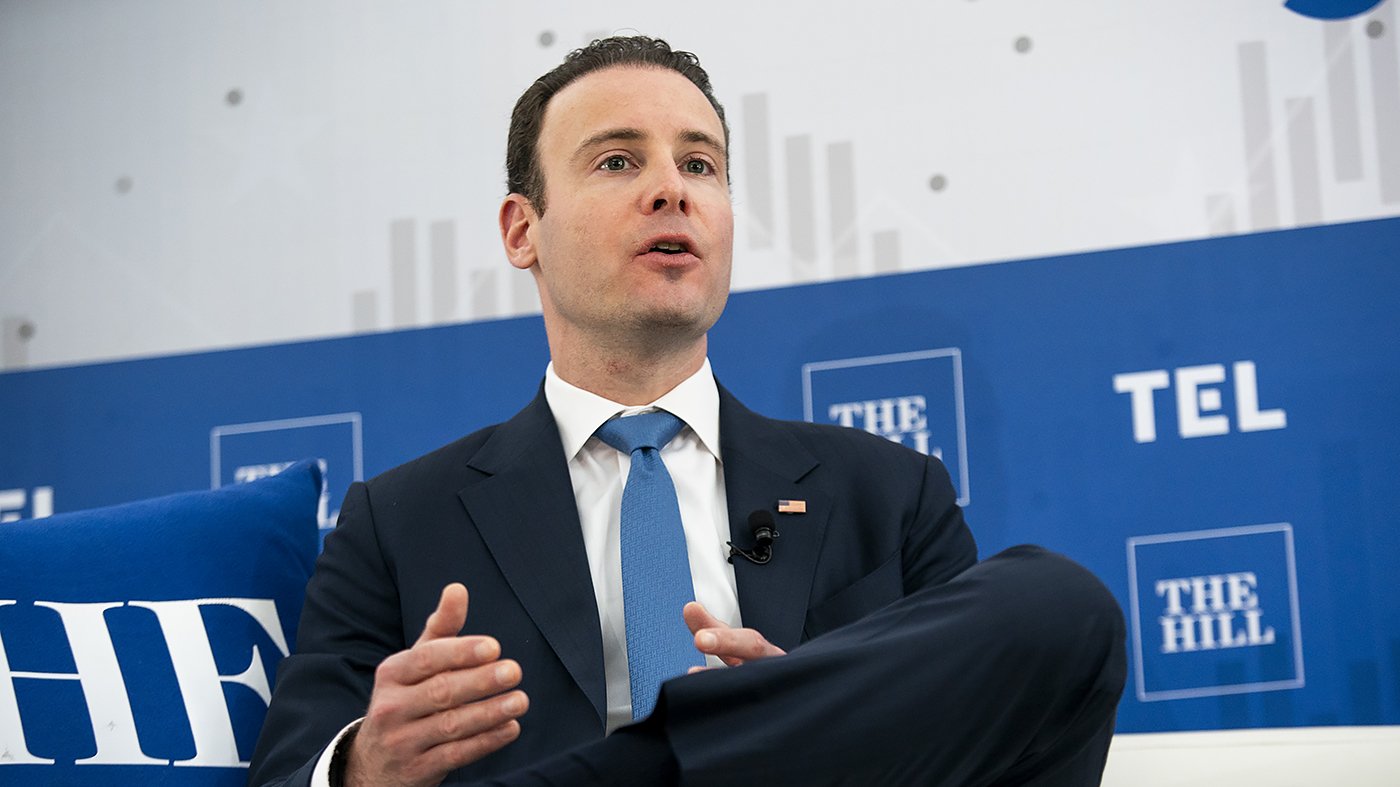
Under the proposed rules, the CFTC would evaluate whether a contract offers meaningful hedging or price-discovery benefits, poses manipulation risks, or could strain a platform’s self-regulatory capacity. Contracts deemed “contrary to the public interest” would be barred. The agency’s chair, Michael Selig, emphasized a balanced approach: “The CFTC will protect the integrity of our regulated markets without standing in the way of responsible innovation.”

The proposal notably permits trading on a wide array of sports outcomes, including final scores, point spreads, win-loss records, tournament progression, and individual or team statistical performance over a season. However, contracts tied to player injuries, officiating decisions, specific actions by individual athletes, physical altercations, or pre-collegiate sports would likely be blocked as contrary to public interest.
Political and Regulatory Backlash
Sports betting has become a flashpoint between federal regulators and state authorities. Critics argue that prediction markets let users bypass state gambling laws—and in Utah, a constitutional ban on gambling—by offering sports event contracts. Senator Adam Schiff (D-Calif.) has been a vocal opponent, stating in March that “sports prediction contracts are sports bets—just with a different name” and are offered in all 50 states in violation of state and federal law.
Schiff and Senator John Curtis (R-Utah) have introduced legislation to ban prediction markets from offering sports event contracts entirely. The push comes amid Schiff leading Senate Democrats in a probe over park fees used for Trump’s D.C. projects, signaling broader scrutiny of the administration’s regulatory decisions.
Industry Moves Ahead of Congress
While lawmakers debate, federal regulators and sports leagues are racing ahead. Polymarket, a leading prediction market platform, struck sponsorship and data-sharing deals with Major League Baseball and the National Hockey League earlier this year. Both leagues also signed agreements with the CFTC to coordinate on insider trading and market manipulation concerns that could taint their sports.
Selig defended the CFTC’s authority at The Hill’s Invest in America summit last week, asserting that “we are a regulator that is designed to oversee these [prediction markets] comprehensively, exclusively, and our statute’s very clear about that.” He contrasted the federal approach with state gaming regimes, arguing that “when states develop these gaming regimes, that works really well for the bookies, for the sportsbooks, for the casinos. But they don’t have market regulation.”
The proposal is expected to face intense lobbying from both industry advocates and state regulators, as the administration seeks to finalize a durable framework that can withstand legal challenges and evolving market dynamics.