The Education Department announced Thursday it has rescinded a long-standing policy that allowed federal investigators to use statistical disparities as evidence of discrimination in schools, marking a significant shift in civil rights enforcement under the Trump administration.
The immediate change eliminates guidance dating back to 1979 that empowered the agency's Office for Civil Rights to rely on data showing disproportionate outcomes for students of different races when probing alleged violations of Title VI of the Civil Rights Act. Federal investigators now must prove intentional discrimination through other means, rather than citing statistical disparities alone.

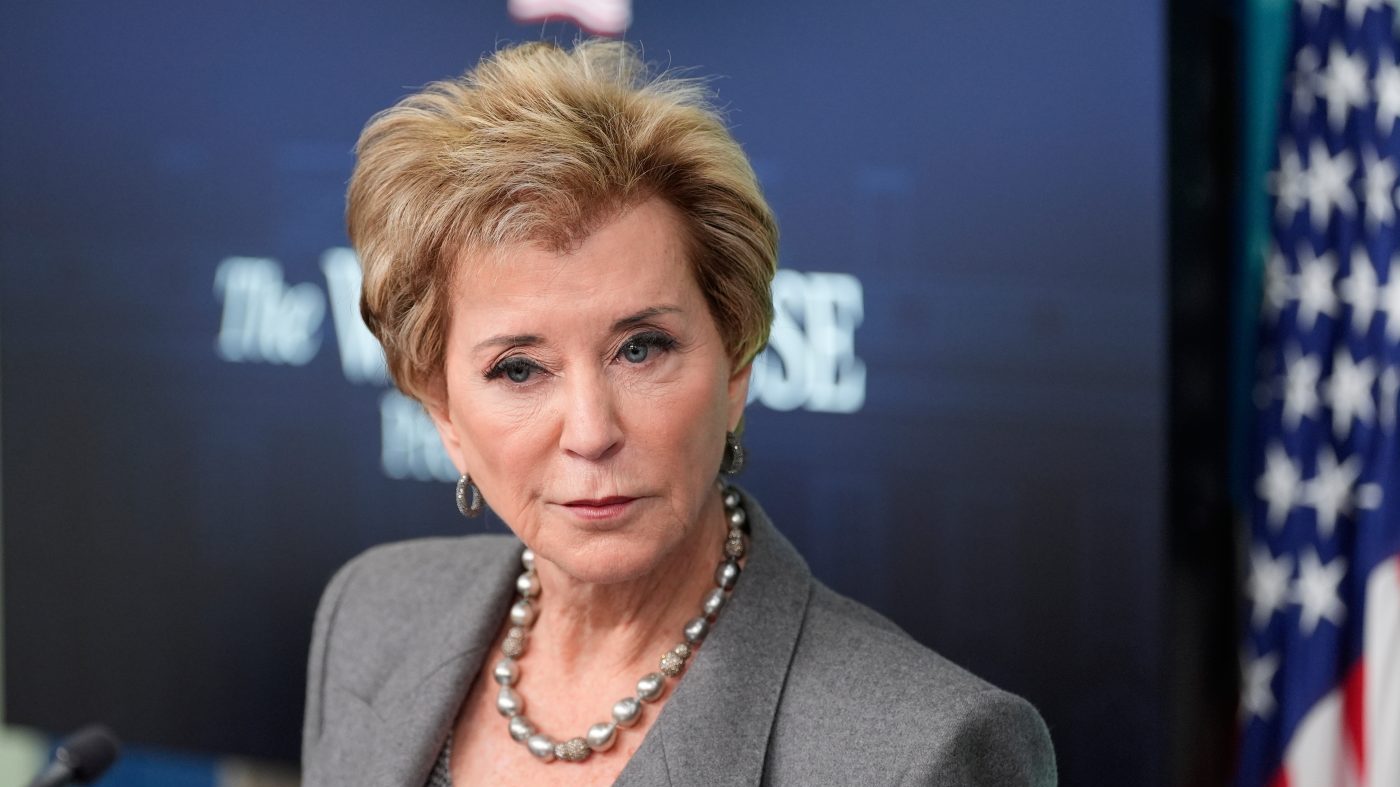
Assistant Secretary for Civil Rights Kimberly Richey framed the move as a return to fairness, stating, “A child is so much more than a number in a data set. The left’s notion of ‘equity’ should never prevent teachers from keeping their classrooms and students safe.” She argued the change will “help ensure fair enforcement of Title VI, as intended by Congress,” and give schools more latitude to address disciplinary issues without federal interference.
The department contends that previous administrations weaponized disparate impact analysis to pressure schools into considering race in disciplinary decisions, effectively forcing them to alter policies if data showed minority students faced higher discipline rates. This approach, critics say, often led to investigations without evidence of intentional bias.
In a sharp rebuke, a coalition of 60 civil rights and education organizations condemned the rescission, calling it “without basis in law or morality.” The groups argued that “for decades, courts have acknowledged that discrimination is not always explicit or overt,” adding that the disparate impact tool was designed to “remove unjustified barriers in education and ensure that all students have an equal opportunity to learn and succeed.” They warned the policy change “will clear the way for discrimination that too often deprives students of equal educational opportunity.”
This action follows broader administration efforts to reshape civil rights enforcement, including recent lawsuits over school mental health grant cuts and ongoing debates over parental choice in education. The Education Department's shift also echoes tensions in other federal agencies, such as the House defense bill renaming the Pentagon, where symbolic changes carry real policy implications.
Richey concluded, “The Trump Administration will always hold schools accountable for discrimination and ensure all students in America receive the equal educational opportunities and equal treatment to which they are entitled by law.” The move is likely to face legal challenges, as civil rights groups prepare to contest what they see as an erosion of protections for minority students.