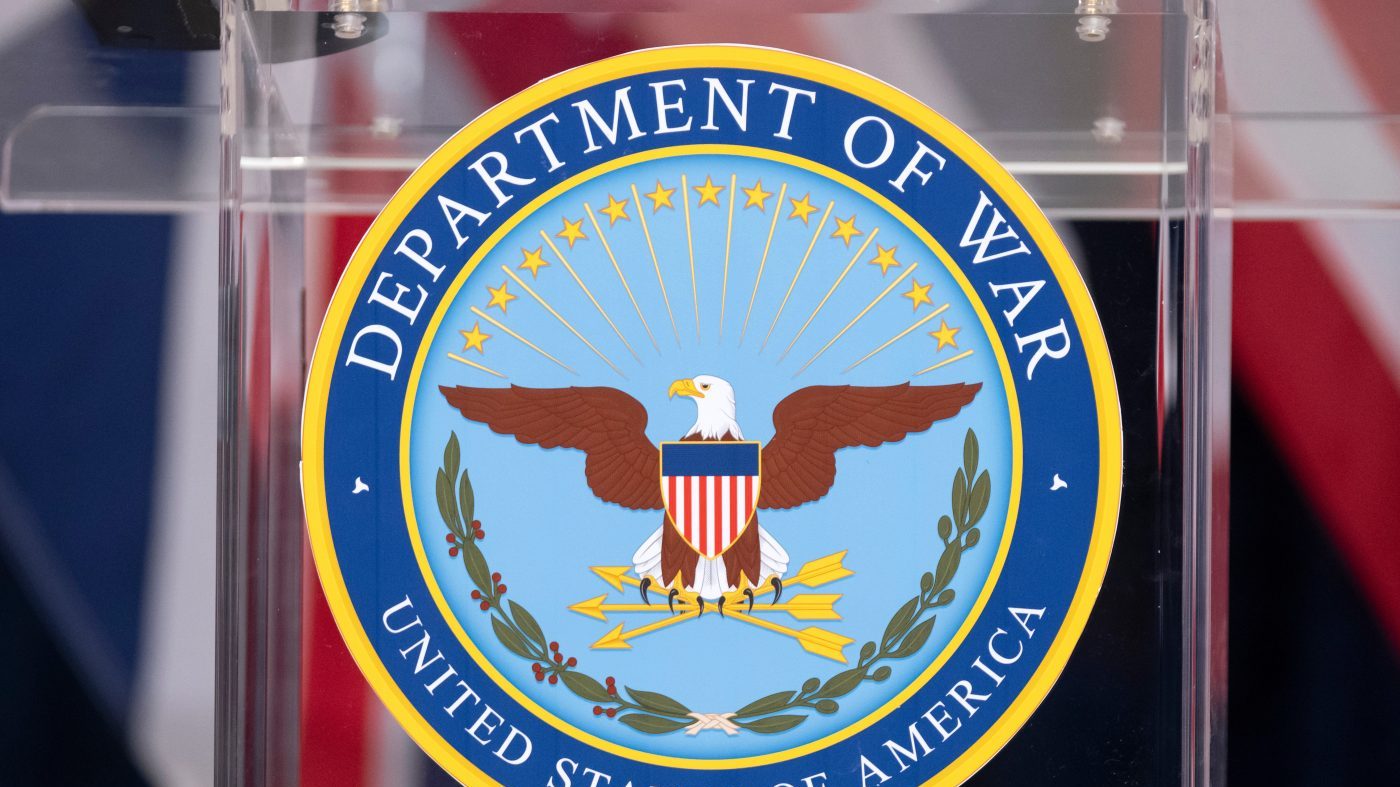
In a razor-thin vote Wednesday, House lawmakers approved a sweeping defense policy bill that would officially rename the Department of Defense the "Department of War," reviving a moniker abandoned after World War II. The fiscal 2027 National Defense Authorization Act (NDAA) passed 216-212, with six Democrats crossing party lines and seven Republicans breaking ranks.
The $1.15 trillion legislation, which funds national security programs and provides pay raises for service members, now heads to the Senate where it faces an uncertain future. Democrats blocked a similar measure last week, and the bill's narrow House passage underscores deepening partisan divides over defense policy.
Push to Revive 'War Department'
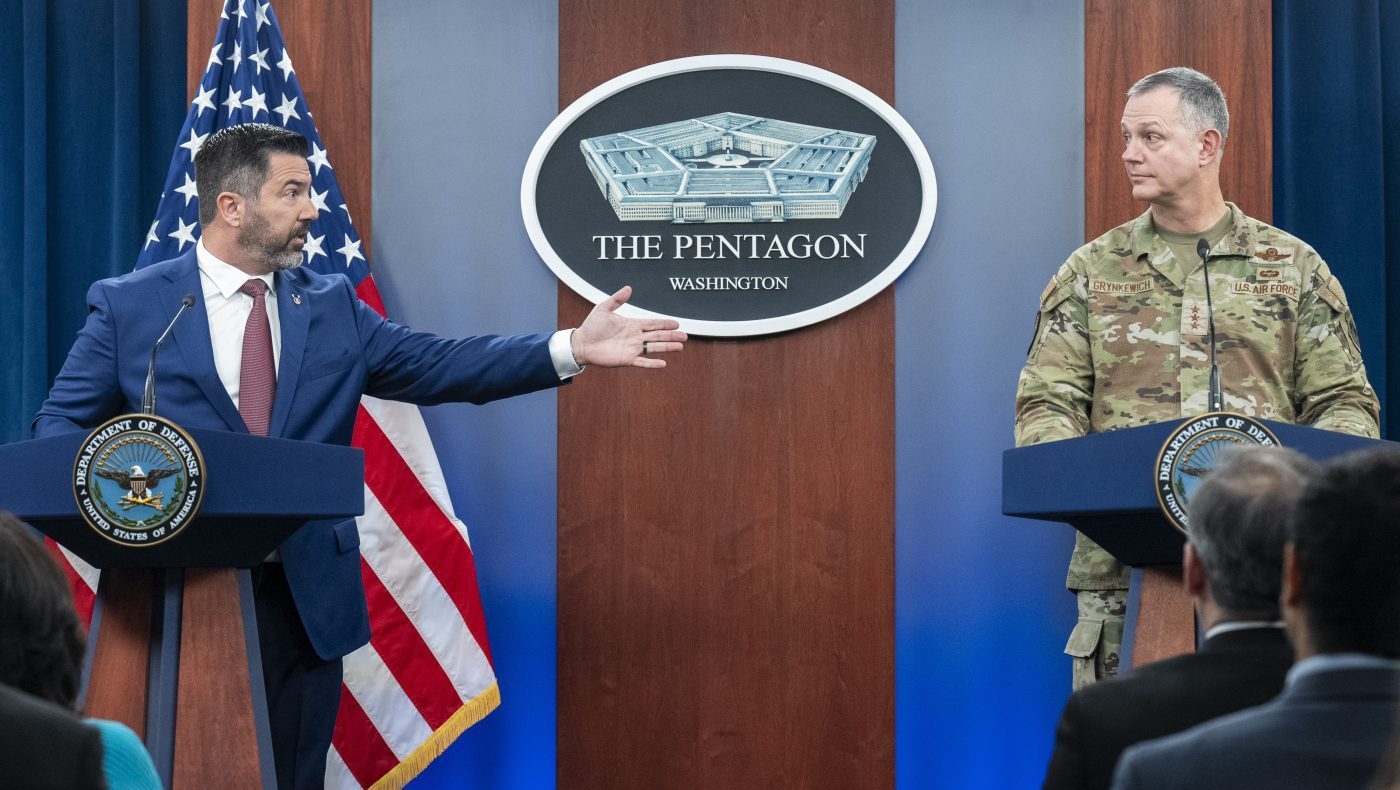
Defense Secretary Pete Hegseth has championed the name change, arguing it would better reflect the military's core mission. "We need to raise up warriors, not just defenders," Hegseth said at a press conference last fall, echoing language from the Trump administration.
The department was originally called the War Department until President Harry Truman signed the National Security Act of 1947, which restructured the U.S. military and created the modern Defense Department. President Trump issued an executive order in September supporting the return to the original name, and Hegseth has already directed changes to the department's website, social media accounts, and physical signage. However, only Congress can make the renaming official.
Controversial Provisions and Fierce Debate
The bill's passage was complicated by a provision—Section 219—that would expand military collaboration between the U.S. and Israel. Critics, including Republican Rep. Thomas Massie of Kentucky and Democratic Rep. Ro Khanna of California, sought to strip the section, arguing it would create an "executive agent" at the Pentagon to oversee joint initiatives. Their amendment was rejected before the final vote.
Massie, who voted against the NDAA, called the legislation "a betrayal of American sovereignty" in a social media statement. But Republican Rep. Keith Self of Texas, a supporter, dismissed such criticism as a "tortured reading of the verbiage."
Political Fallout and Senate Prospects
The bill's narrow passage highlights the fragile coalition behind it. Six Democrats defied their party to support the measure, while seven GOP lawmakers opposed it. The legislation now moves to the Senate, where Democrats have already blocked a similar bill, raising questions about its ultimate fate.
The debate over the name change has also drawn attention to broader defense priorities. The NDAA includes funding for modernizing nuclear forces, expanding cybersecurity capabilities, and addressing threats from Iran and China. Iran's complex defense network remains a key concern, and the bill's provisions on U.S.-Israeli cooperation reflect ongoing tensions in the Middle East.
If the Senate passes the NDAA, it would mark the first time since 1947 that the department is officially called the War Department—a shift that supporters say honors military heritage, but critics warn could signal a more aggressive foreign policy posture.