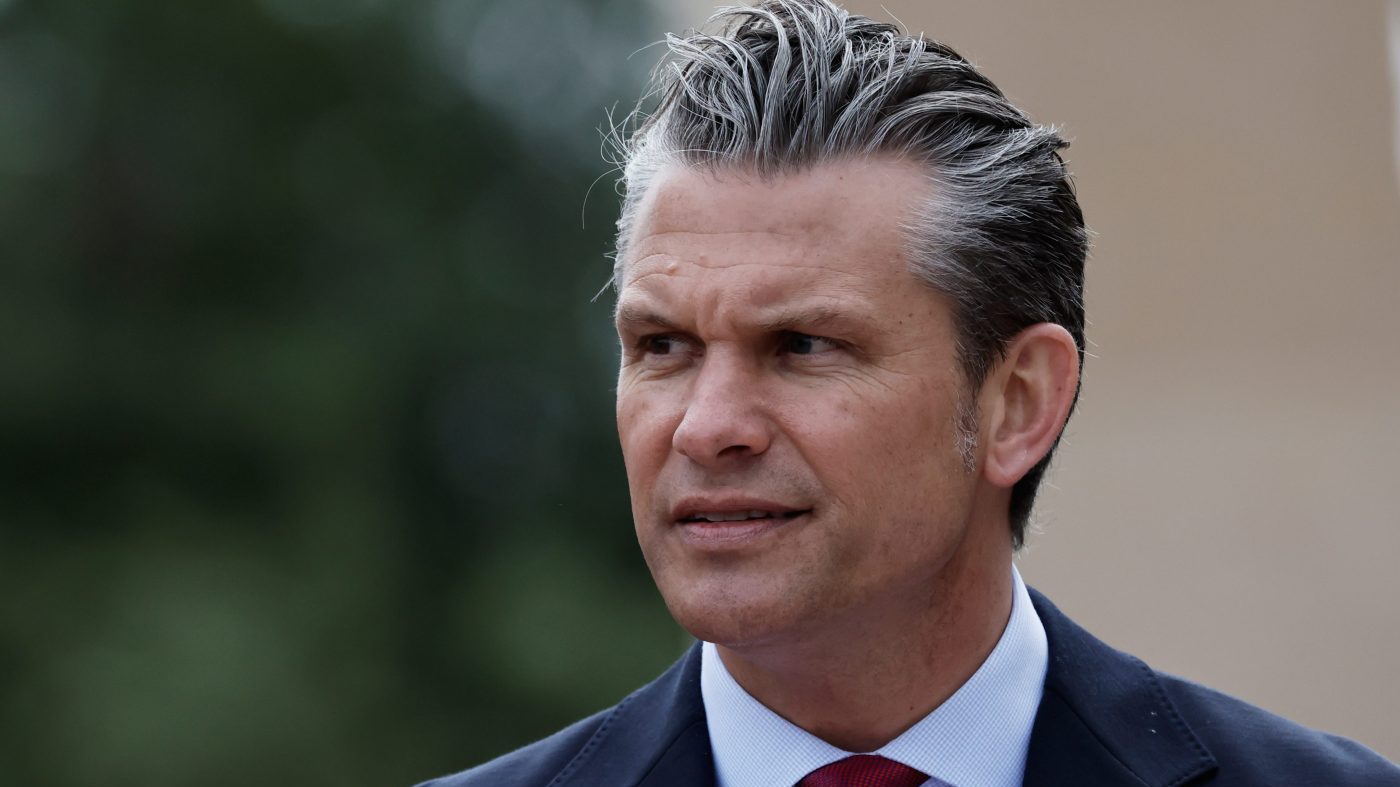
Defense Secretary Pete Hegseth told U.S. troops stationed at Guantanamo Bay on Wednesday that the military is fully prepared for any possible scenario in Cuba, as the Trump administration heightens its pressure campaign against the communist-led island.
“No matter what, the Department of War is going to be prepared and postured for any possible contingency,” Hegseth said, using the Trump administration’s preferred name for the Pentagon. His remarks came during a visit to the U.S. Naval Station in Cuba, a facility that has long been a flashpoint in U.S.-Cuba relations.
Hegseth is the latest senior Trump official to travel to Cuba in recent weeks. In late May, U.S. Southern Command chief General Francis Donovan visited the island and met with Cuban First Deputy Minister Roberto Legrá Sotolongo near the base’s perimeter. CIA Director John Ratcliffe also made a trip to Cuba last month.
The Trump administration has been steadily escalating its stance toward Havana, including effectively imposing a fuel blockade and suggesting the possibility of military intervention. President Trump has hinted at launching an invasion, while the Justice Department indicted former Cuban President Raúl Castro on murder charges on Cuba’s independence day in May.
Hardline Cuban American activists in Florida have long pressed for U.S.-backed regime change, and Secretary of State Marco Rubio, himself a Cuban American, has been a vocal critic of the island’s leadership. However, Rubio acknowledged last month that a negotiated settlement appears unlikely, saying the “likelihood” of a deal is “not high.”
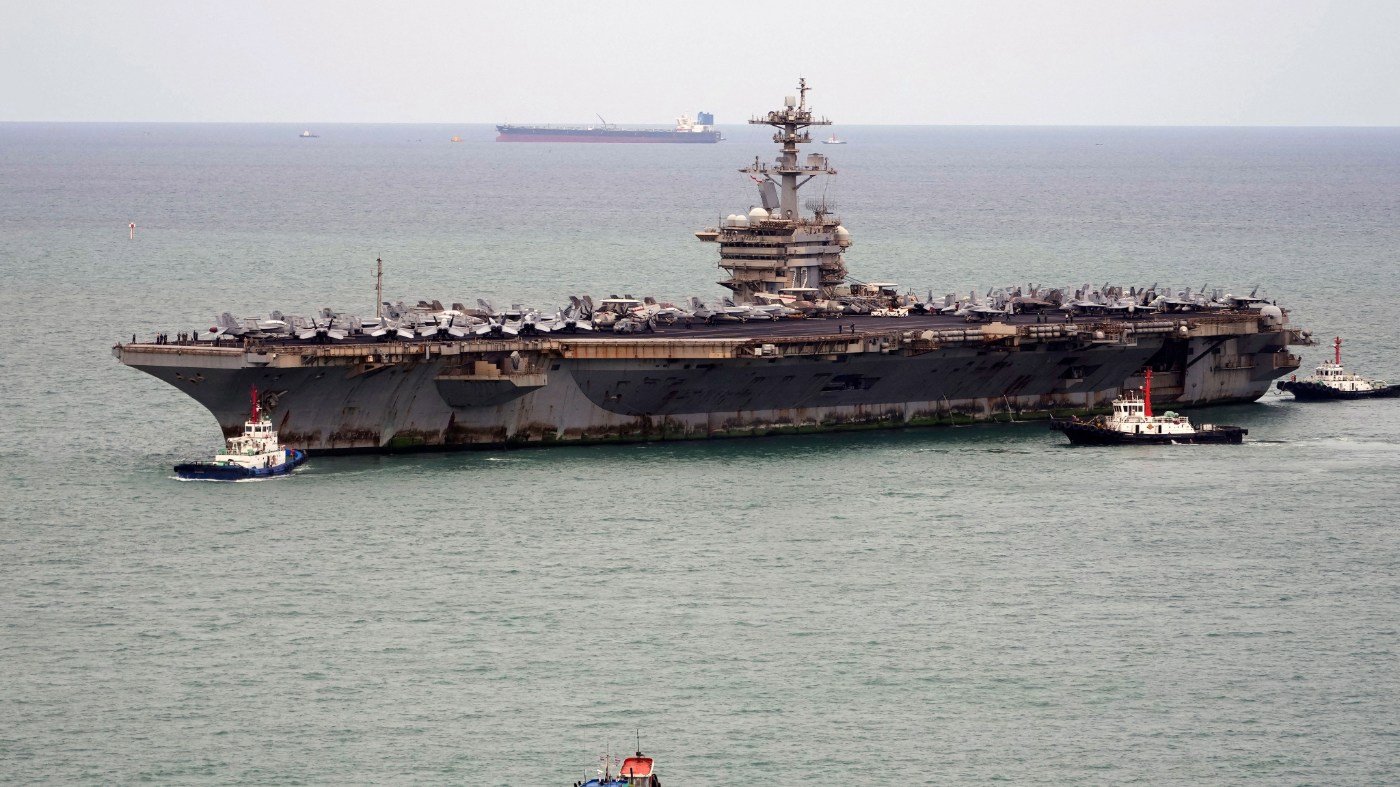
The USS Nimitz carrier strike group is currently deployed in the Caribbean Sea, underscoring the military posture. Yet some congressional Republicans have cautioned Trump against launching a military campaign in Cuba, especially given the ongoing U.S.-Israeli war in Iran, which has already stretched defense resources and complicated budget negotiations on Capitol Hill.
Cuban Foreign Minister Bruno Rodriguez has warned that any military action by the United States would lead to a “bloodbath,” signaling the high stakes of the confrontation. The administration’s hardline approach has drawn both support and concern from lawmakers, with some questioning the strategic wisdom of opening a new front while the U.S. is already engaged in the Middle East.
The Pentagon’s renewed focus on Cuba comes as the House has advanced a $1.15 trillion defense bill that formally renames the Defense Department as the War Department, a symbolic shift embraced by Hegseth and Trump allies. The administration’s rhetoric and actions suggest that Cuba remains a top priority, even as other global crises compete for attention.