After weeks of grinding through the reconciliation process to fund immigration enforcement agencies, Republicans on Capitol Hill are turning their attention to a packed summer agenda. But the clock is ticking: with the November midterms fast approaching, GOP leaders know that any failure to deliver on core priorities could cost them their majority.
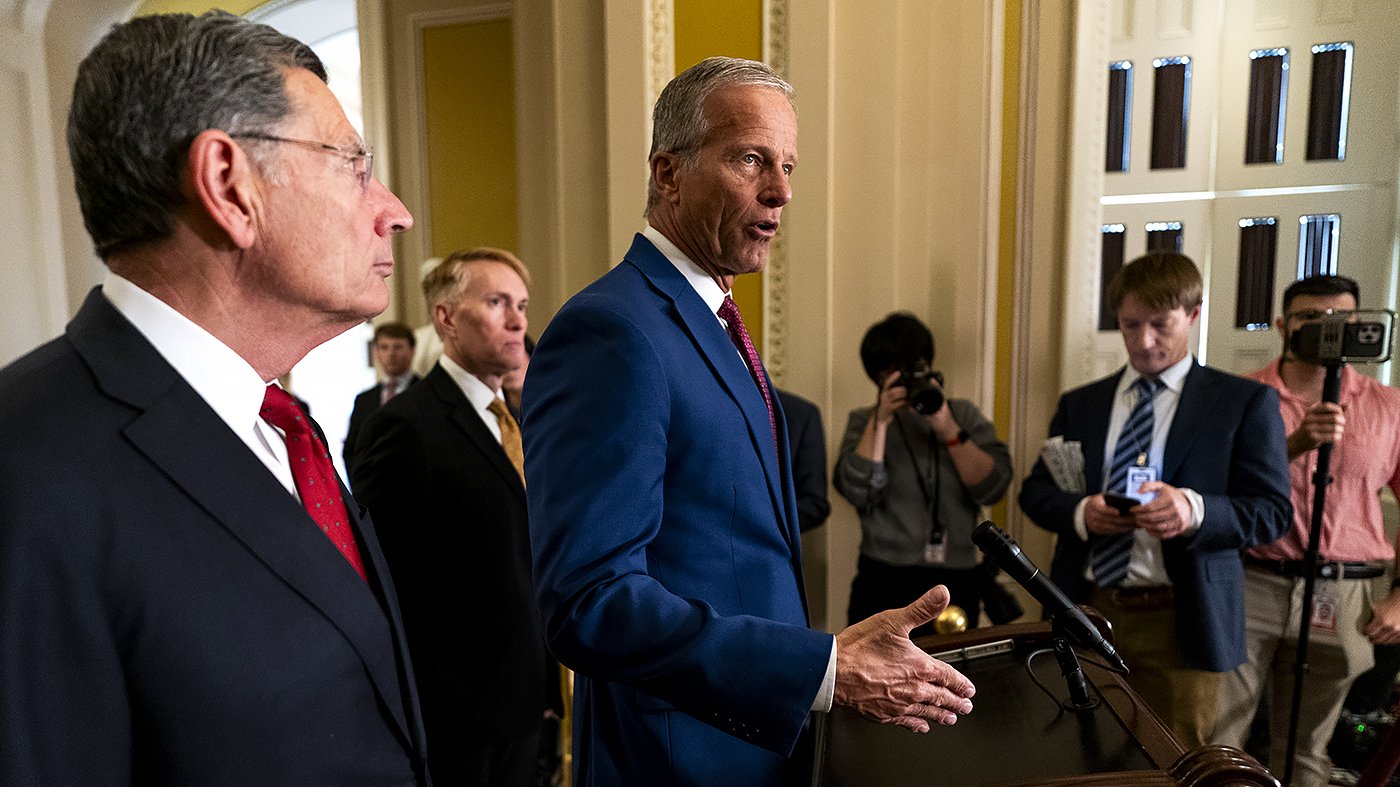
Senator Jim Justice (R-WV) captured the urgency during the marathon reconciliation votes, telling The Hill: “We’ve done a lot of good stuff, but at the end of the day, we’ve got to watch, because if we don’t watch, the Republicans are going to walk away from the midterms on that night and have a bad night.” His warning echoes a broader anxiety among Republicans, who are eager to show voters they can address affordability and national security.
At the top of the to-do list is the farm bill, a sprawling package that must be reauthorized this year. The House passed its version on April 30, but the Senate has yet to take it up. Justice, a first-term senator, is particularly focused on lowering fertilizer prices, which have spiked due to global supply chain disruptions linked to the war in Iran. “There’s a family that’s not done anything wrong, except try really, really hard, that’s standing on their porch sellin’ their dishes,” Justice said, describing struggling farmers. “They’ve lost everything they have, and they produce the most bountiful crops on the planet for all of us, and today they’re hurting like you can’t imagine.” He called for an end to the Iran conflict to ease those pressures.
Another critical item is the renewal of Section 702 of the Foreign Intelligence Surveillance Act (FISA), which expires on June 12. Senate Democrats blocked a renewal effort early Friday morning, adding to the time crunch. Senator Tommy Tuberville (R-AL), who is leaving Congress to run for governor, expressed cautious optimism: “We’ll be here the rest of the month, so we can get a lot done. I hope. We need to, ain’t got anything else done.”
The annual National Defense Authorization Act (NDAA) also looms large. The House Armed Services Committee approved its version late Thursday, but the Senate must still act before the two chambers reconcile their differences. Historically bipartisan, the NDAA is expected to be contentious this year due to disagreements with Defense Secretary Pete Hegseth and the unpopular war in Iran—a conflict that is eroding support even among Republicans. Related divisions have surfaced in recent votes, as four House Republicans broke ranks to back an Iran war powers resolution, highlighting the fragility of GOP unity on foreign policy.
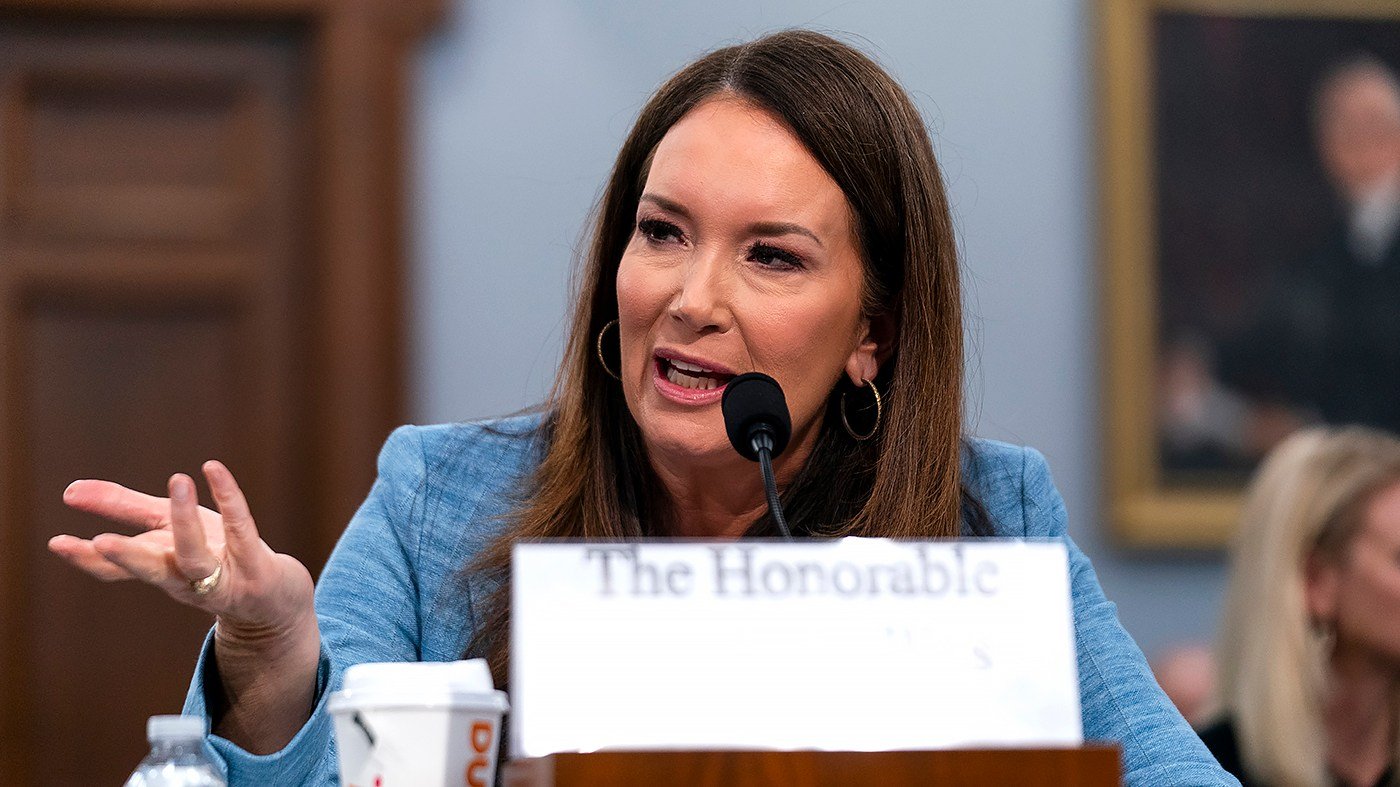
Beyond these marquee bills, Congress must also pass 12 appropriations bills to fund the government for fiscal year 2027. House committees have started work, and two bills have cleared the lower chamber, but Senate markups were postponed due to the reconciliation fight. The appropriations process has grown increasingly volatile, with partisan brinkmanship leading to a month-long government shutdown last fall. Senator Katie Britt (R-AL), who chairs the subcommittee overseeing ICE and CBP funding, lamented the reliance on reconciliation. “I certainly would have much rather we had done it through the regular appropriations process,” Britt said. “I think this is a bad precedent, but unfortunately, it’s where the Democrats are refusing to move anything forward.”
The reconciliation bill passed this week funds Immigration and Customs Enforcement and Customs and Border Protection through 2029—a workaround necessitated by Democratic fury over President Trump’s immigration crackdown, including the killing of two American citizens by agents. The standoff underscores the deepening partisan gridlock that threatens to derail the rest of the summer agenda. As Trump’s estrangement from Senate Republicans continues to complicate legislative strategy, the party’s ability to deliver on its promises before the midterms remains uncertain.