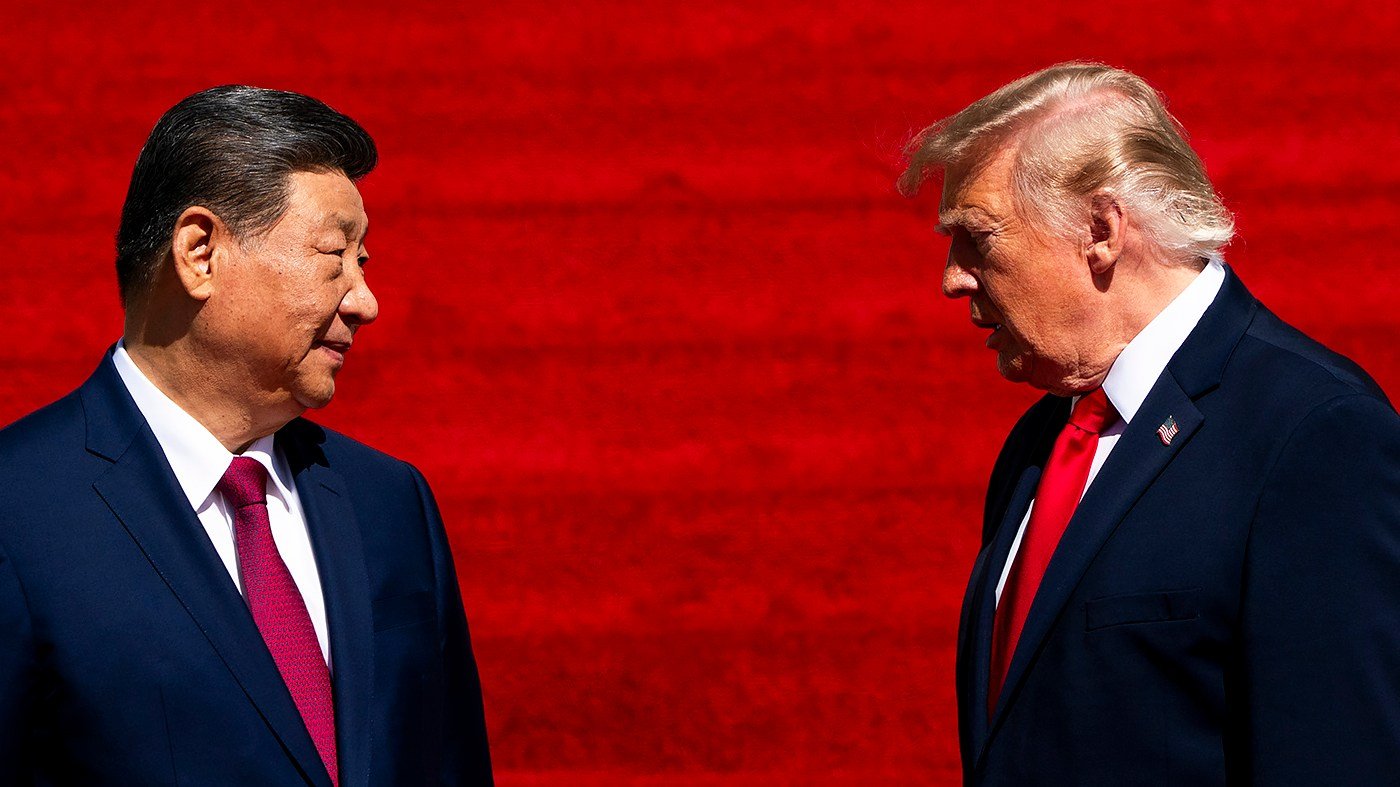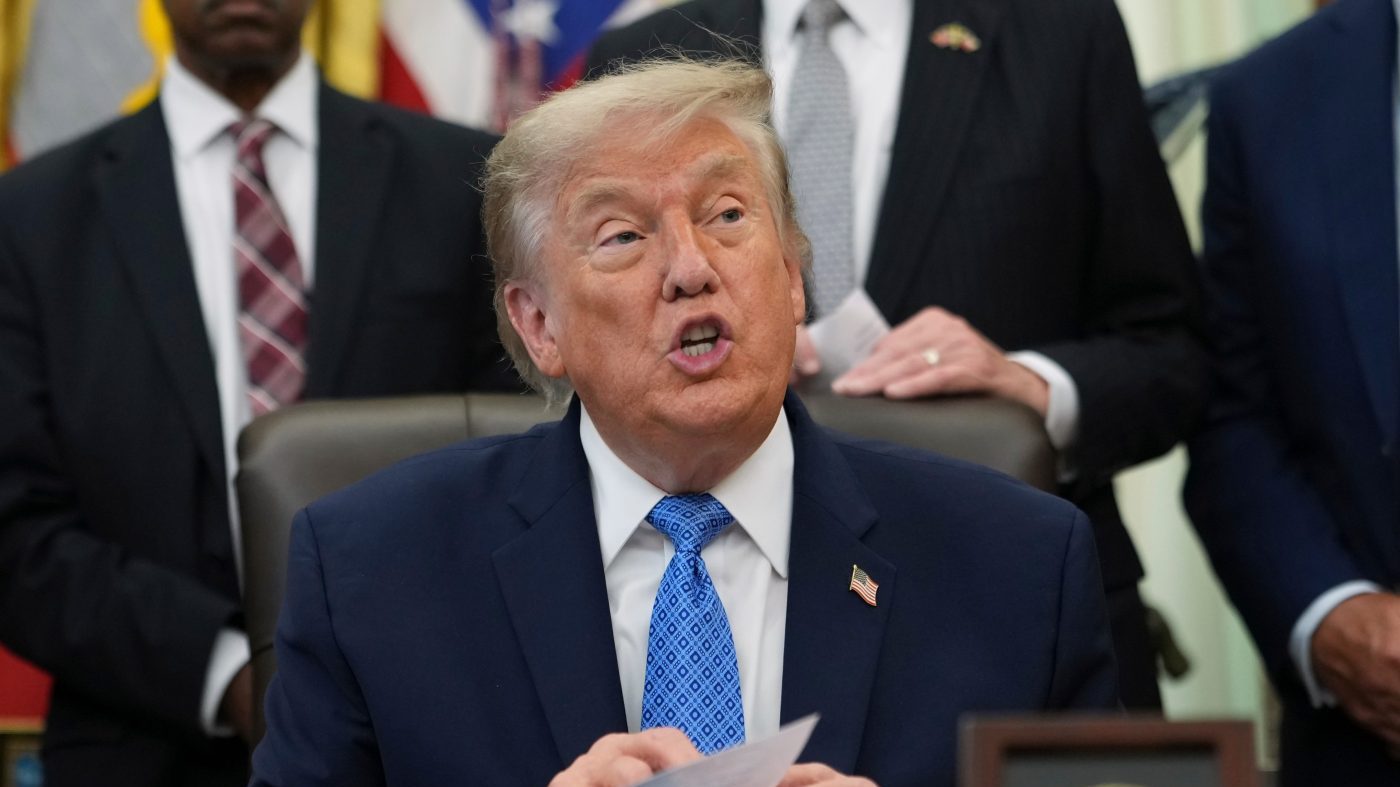
President Donald Trump escalated his rhetoric against Iran late Saturday, threatening the Islamic Republic's existence as a fragile ceasefire between the two nations showed signs of collapse. In a post on his Truth Social platform, Trump announced that U.S. aircraft had struck Iranian missile and drone storage facilities and coastal radar sites, accusing Tehran of violating the ceasefire agreement.
"It is very possible that they will never learn!" Trump wrote. "There may come a point when we are no longer able to be reasonable, and will be forced to militarily complete the job that we very successfully started. If that happens, the Islamic Republic of Iran will no longer exist!"
The threat mirrors earlier warnings from the president, including an April statement that Iran's "whole civilization will die tonight, never to be brought back again." At the time, Democratic lawmakers condemned the remarks as "pure evil" and accused Trump of threatening war crimes and genocide. When asked about that post days later, Trump said he was "fine with it."
The latest escalation comes as the U.S. and Iran trade strikes that threaten to unravel a ceasefire agreement brokered earlier this year. On Sunday, Iran launched retaliatory strikes against Kuwait and Bahrain, accusing the U.S. of violating the truce. No injuries have been reported, but the Islamic Revolutionary Guard Corps (IRGC) warned that further American attacks would result in the "complete halt of all diplomatic processes."
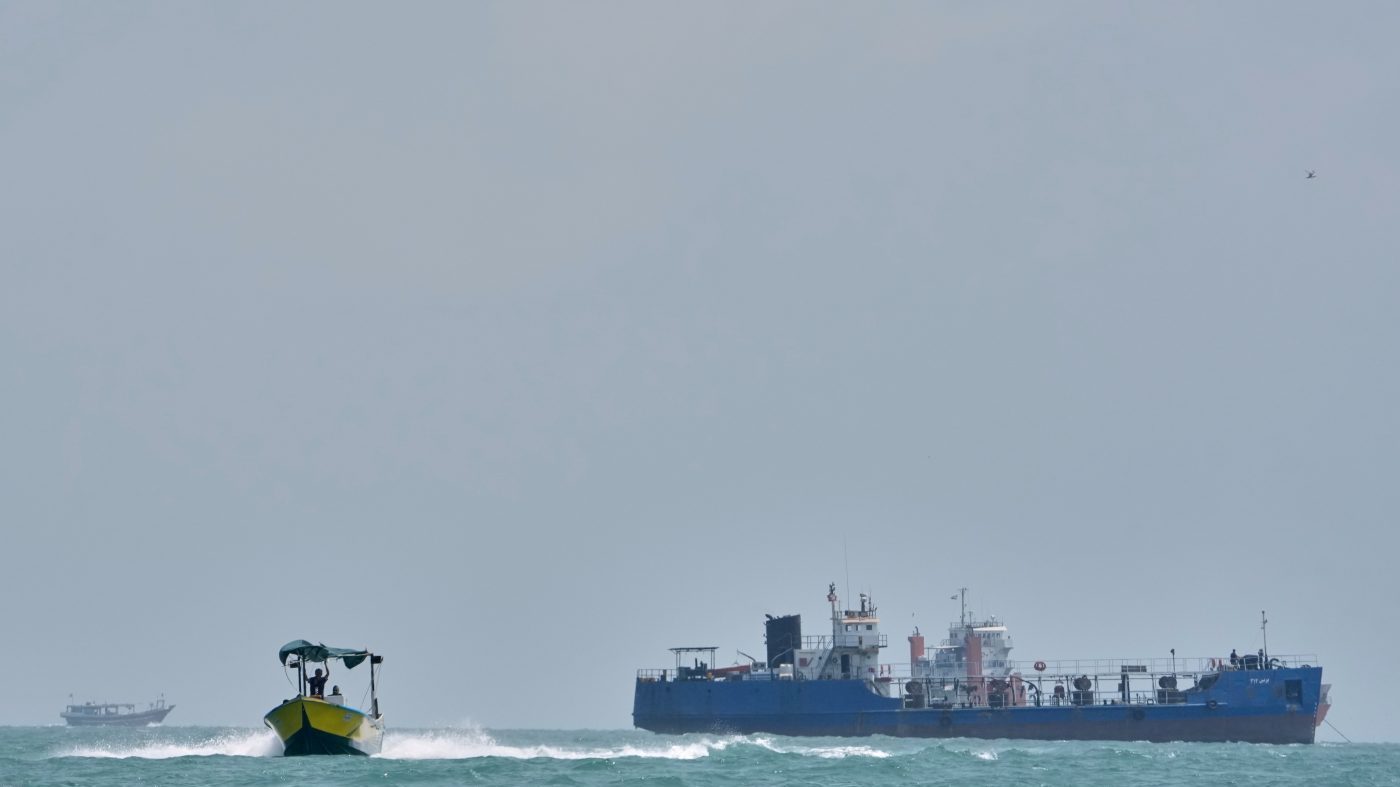
The conflict has also disrupted maritime traffic in the Strait of Hormuz, a critical chokepoint for global oil shipments. On Thursday, Iran struck a Singapore-flagged cargo vessel near Oman, damaging its starboard side and bridge. The United Kingdom Maritime Trade Operations Center, affiliated with the British Royal Navy, confirmed no injuries aboard. U.S. Central Command (Centcom) said Saturday's strikes were retaliation for a drone attack on a Panama-flagged tanker, the M/T Kiku, which was carrying over 2 million barrels of crude oil near the strait.
Iran has reasserted its authority over the Strait of Hormuz, warning on Friday that ships must coordinate with Tehran to pass safely. A 14-point memorandum of understanding (MOU) signed by both sides guarantees that no vessels will pay tolls to transit the strait. Trump administration officials have long argued that any Iranian toll would violate international law. The MOU was intended to extend a 60-day pause in hostilities and pave the way for negotiations over Iran's nuclear program and freedom of navigation.
However, Iranian Foreign Minister Abbas Araghchi, speaking in Baghdad on Saturday, cautioned that "interference in this matter… will only lead to further complications, delay the reopening of the Strait of Hormuz, and increase the level of tension." His remarks came after two nights of clashes in the strait, which Araghchi said had heightened confrontation.
As the ceasefire crumbles, the region braces for further escalation. Trump's latest threat echoes his earlier calls for Iran to negotiate, but the cycle of strikes and counterstrikes suggests both sides are digging in. The situation also has domestic political implications, with some GOP figures rallying behind Trump's hardline stance while Democrats decry what they see as reckless warmongering.