The Trump administration on Tuesday issued a final regulation that prohibits the use of federal Medicaid funds for gender-affirming medical procedures for minors, and also blocks Children's Health Insurance Program (CHIP) plans from covering such care for individuals under 19. The rule, released by the Centers for Medicare and Medicaid Services (CMS), explicitly bars payment for what it terms "sex-rejecting procedures" for children under 18.
Under the new policy, Medicaid and CHIP will no longer reimburse providers for puberty blockers, hormone therapies, or surgical interventions aimed at gender transition for minors. However, beneficiaries currently receiving cross-sex hormone therapy can continue their coverage for six months after the rule's effective date, which is expected to be October 12, 2026.
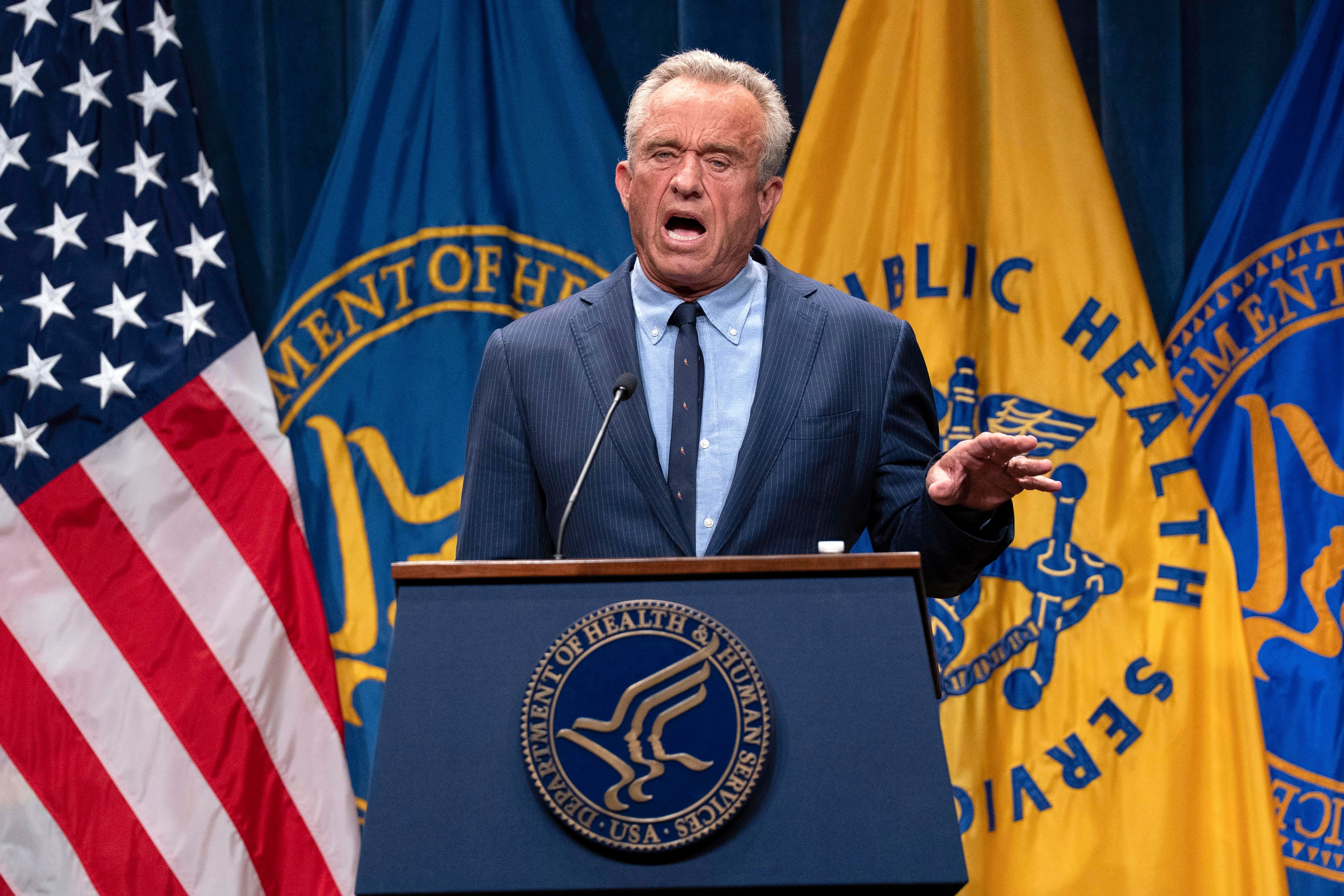
Health and Human Services Secretary Robert F. Kennedy Jr. framed the move as a protective measure, stating, "Today, we are ending federal taxpayer funding for sex-rejecting procedures on children. These interventions carry serious risks and can cause irreversible harm. The federal government will no longer use Medicaid and CHIP dollars to fund procedures that fail to meet the evidentiary standard our children deserve."
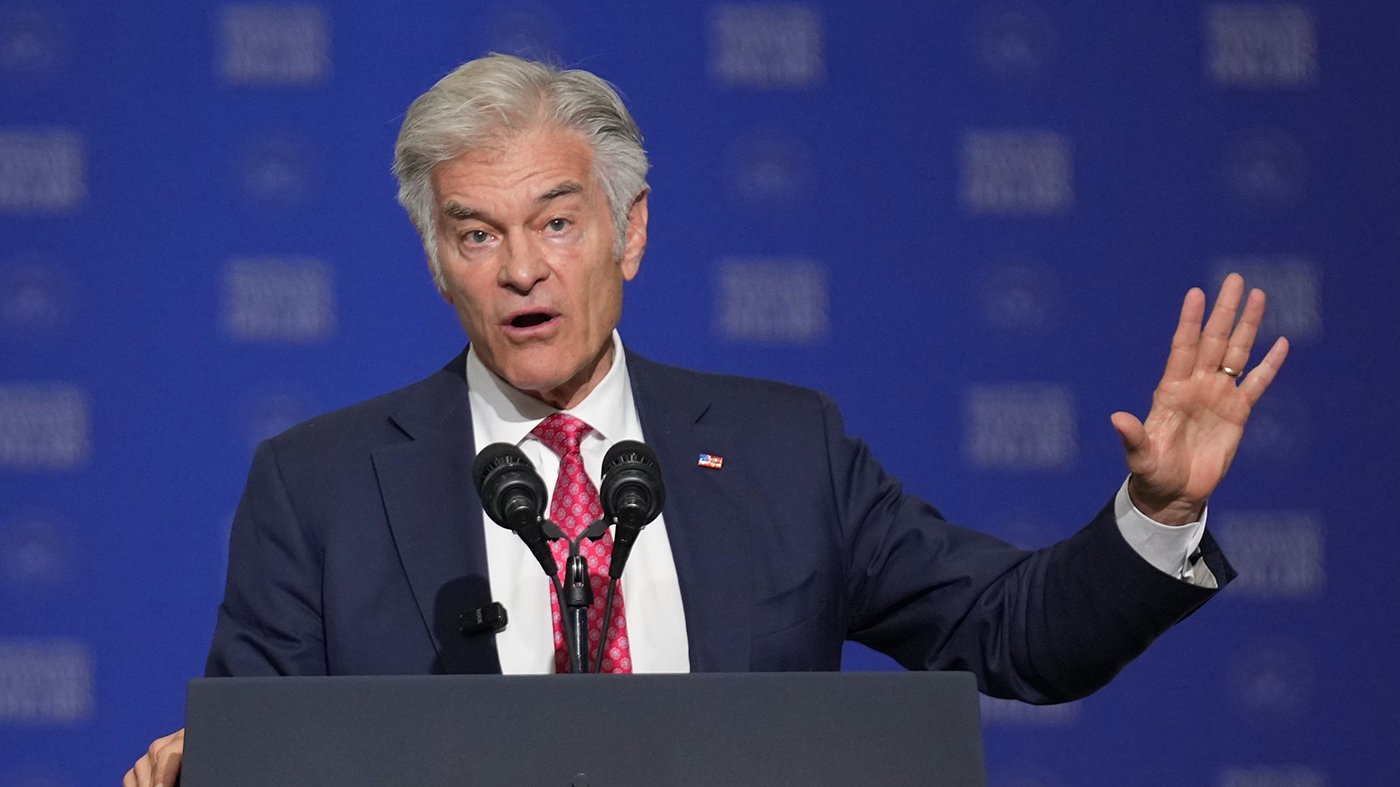
CMS Administrator Mehmet Oz echoed that sentiment, saying the rule is "following the science, saving taxpayer dollars, and, most importantly, protecting children from potentially irreversible harm so they can truly flourish." President Trump also weighed in on social media, declaring, "We are not going to pay for our innocent children to undergo these barbaric surgeries and practices, which result in unthinkable and irreversible harm to their young bodies."
The administration's action comes amid a broader political debate over transgender healthcare, which has also spilled into other arenas, including the WNBA's transgender policy. Yet data suggests that surgical interventions for transgender minors are exceedingly rare. A 2024 study found that less than one percent of transgender youth had received any form of gender-affirming surgery. Notably, the same study indicated that cisgender male minors were more likely to undergo certain procedures, such as breast reductions for gynecomastia, which accounted for 97 percent of those surgeries.
Advocacy groups swiftly condemned the rule. Kelley Robinson, president of the Human Rights Campaign, said, "Every young person is entitled to the health care that they, their parents, and their medical providers agree that they need, without politicians interfering with these important and highly personal decisions. The Trump administration is terrorizing trans youth and their families with these kinds of actions, and it has to stop."
Ma'ayan Anafi, senior counsel for health equity and justice at the National Women's Law Center, accused the administration of "jeopardizing vital health care." Rodrigo Heng-Lehtinen of The Trevor Project called it a "dangerous restriction on doctor-prescribed health care," emphasizing that "personal medical decisions should be made by individual patients, their doctors, and their families – not by a one-size-fits-all mandate from the federal government."
Heng-Lehtinen noted that gender-affirming care has been provided for decades, is supported by leading medical associations, and is linked to lower rates of depression and suicide among transgender youth. The rule is likely to face legal challenges, as Democratic attorneys general have already sued over other administration rollbacks, such as the recent escrow interest rollback. The final rule marks a significant shift in federal healthcare policy, with potential implications for thousands of families.