The WNBA has become an unexpected battleground in America's culture wars, as its growing audience and outspoken players draw intense political scrutiny over gender, race, and equity. The league, once a niche sports product, now finds itself at the center of national debates that extend far beyond the basketball court.
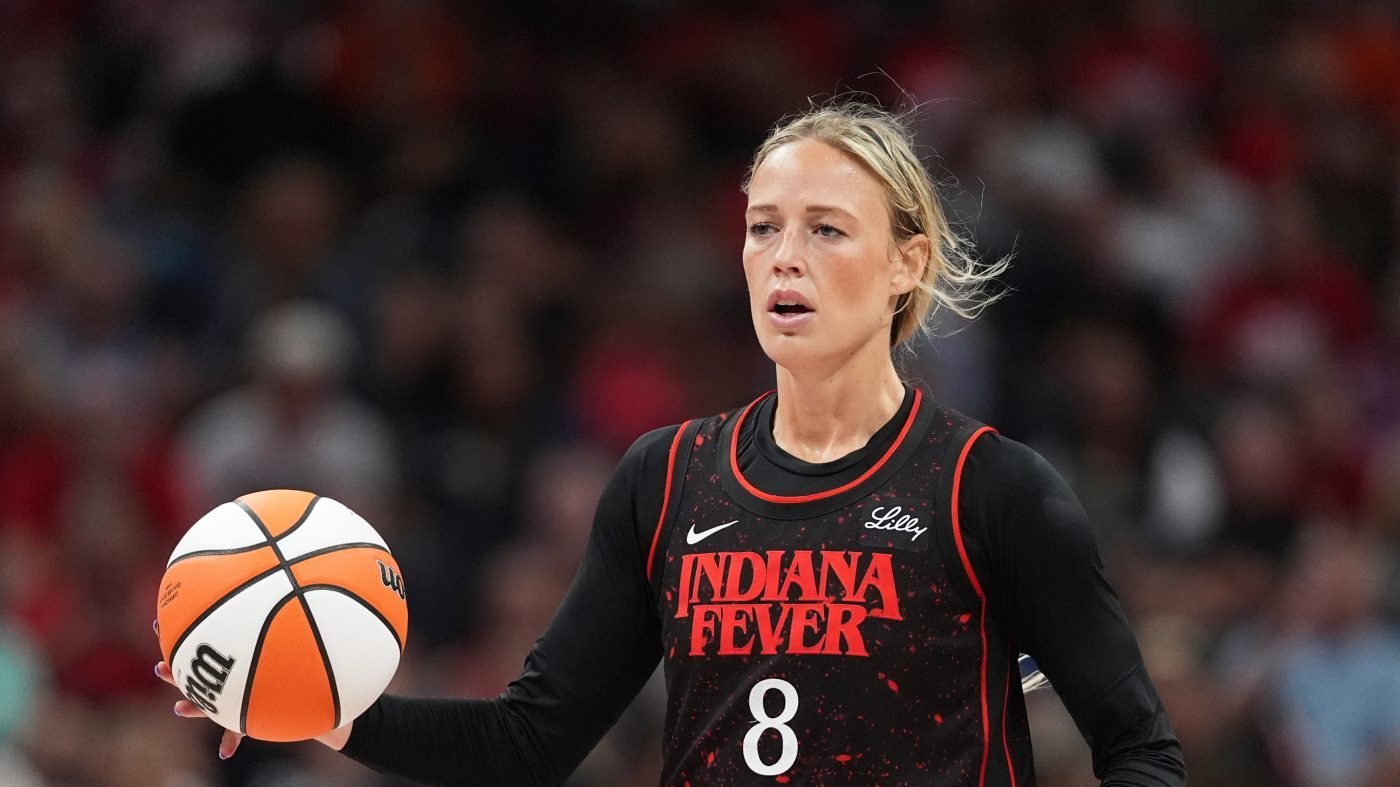
Recent weeks have seen a firestorm of commentary on social media and cable news, much of it centered on transgender athletes in women's sports. Sophie Cunningham, a guard for the Indiana Fever and teammate of superstar Caitlin Clark, ignited the latest round of controversy last month when she told ESPN that protecting "young girls in a locker room, or young girls in sport who shouldn't have to go against biological men" was a priority for her. While Cunningham is not one of the league's most prominent players, her comments have catapulted her into the national spotlight, earning praise from conservative figures and criticism from progressive advocates.
The racial dimension of the debate intensified over the weekend when Chicago Sky guard DiJonai Carrington was ejected for a flagrant foul on Cunningham. Carrington later took to social media to suggest that race played a role in the officiating decision, posting "white privilege" in a since-deleted message. The incident has further polarized fans and commentators, with some defending Carrington and others accusing her of injecting race into a routine basketball play.
Adding to the league's woes, the eligibility rules for transgender players have come under renewed attack. Last week, Enes Kanter Freedom, a former NBA player with a long history of political activism, announced he was declaring for the WNBA draft, mocking the league's policies by claiming he meets "every single requirement necessary to compete in the WNBA." The WNBA responded with a statement to multiple media outlets, asserting it "will not be used as political pawns" and condemning "hate, abuse, and demonization of any person or group of people, including transgender people," which it said "only fuel fear, division, and harm."
The league's handling of these controversies has drawn sharp criticism from sports media figures. Ryan Clark, a former NFL player turned pundit, took aim at Cunningham, who averages 8.9 points per game, saying, "Now, divisive gossip from a 9-point scorer gets more attention than the league's best teams and players. It's time for the media to redirect the conversation—and stop rewarding clowns who turn serious issues into spectacles for attention." Bill Simmons, a prominent sports commentator, echoed that sentiment on his podcast, calling the WNBA "legitimately fun to watch" but lamenting that "all anyone wants to talk about is dumb s---." He also criticized league leadership, saying, "I've never seen a league more determined to not push its fun stars. Instead, it's all this discourse stuff and they're just stepping in bear traps left and right because they have no adults in charge of the league."
The WNBA did not respond to a request for comment for this story. However, the political pressure is not entirely new. The league has long championed social justice causes, and its players have been vocal on issues ranging from racial equality to LGBTQ rights. But as the league's popularity has surged—thanks to expanded media deals and a new generation of elite talent—so too has the intensity of the scrutiny.
Sports business experts say the WNBA is navigating a treacherous landscape. "It's coming at them rapid fire. It seems they're at the intersection of every identity conversation in sports and their visibility has never been more significant," said Nicole Kraft, a professor of sports journalism at Ohio State University. "The more people you attract who are outside of the traditional WNBA audience, every controversy has the potential to become a national cultural debate, and they need to be prepared for that."
Ben Shields, a sports business and marketing expert at MIT, noted that the league is trying to balance commercial interests with societal expectations. "All leagues in 2026 are competing in the attention economy, and star power is more important than ever," he said. "The WNBA is very carefully trying to balance its business considerations with some of the expectations we have on it as an institution in our society, and that has to be feeding some of the decision making here."
Some observers believe the political discourse could ultimately benefit the league by keeping it in the headlines, but others worry it could overshadow the on-court product. The WNBA's next major test will come as it navigates the upcoming season, with the draft and playoff races sure to bring more attention—and more potential flashpoints.