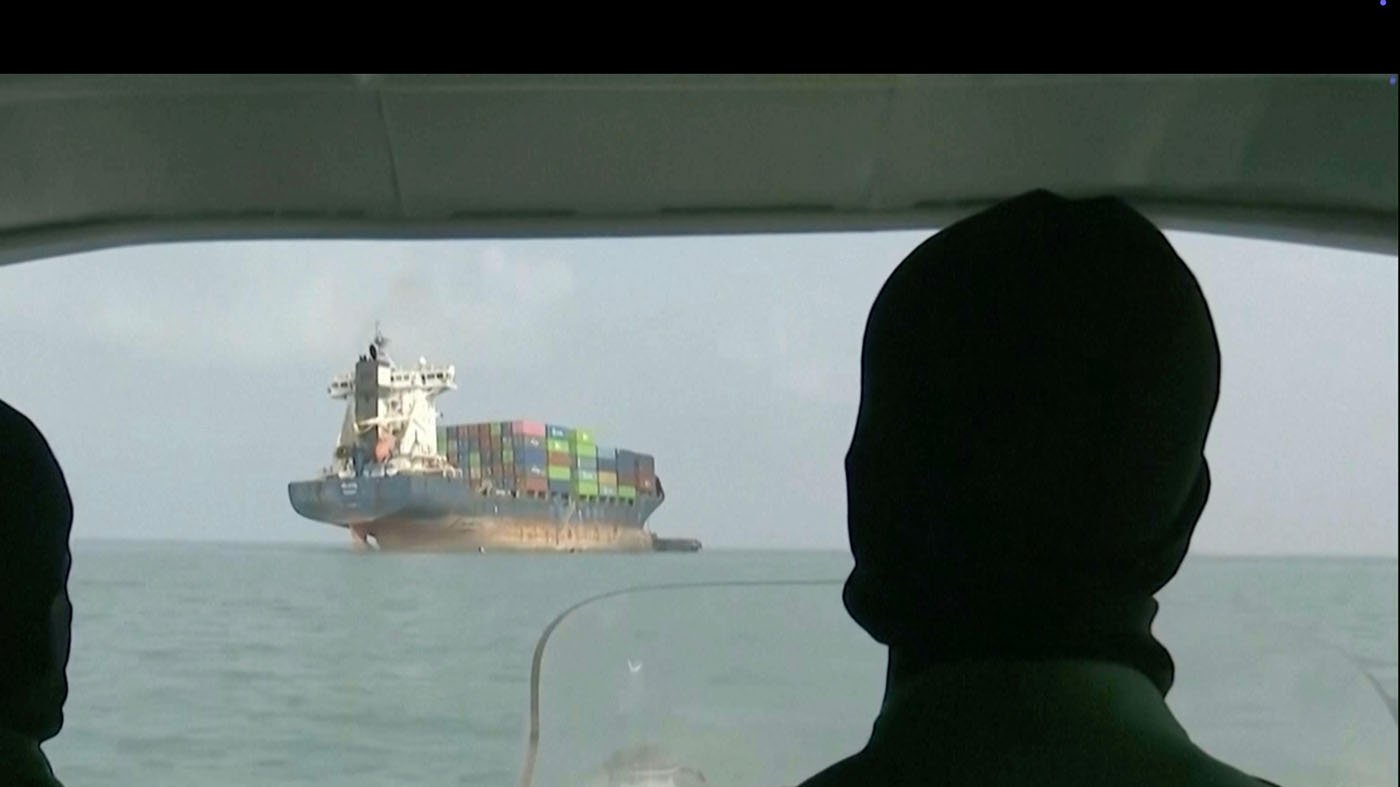
Shipping traffic through the Strait of Hormuz dropped sharply over the weekend, falling to roughly six vessels per day as negotiations between Washington and Tehran over reopening the waterway remained deadlocked. According to trade intelligence firm Kpler, only 32 ships transited the strait from Friday through Sunday, with 17 using Iran's designated transit corridor and another ten taking an undetermined route.
The decline comes as Iran's demands and Trump's counterclaims continue to block a final agreement. Tehran has insisted on compensation for war damages, the lifting of sanctions, and a permanent end to hostilities before it will fully reopen the strait. President Trump, however, has rejected those terms, arguing instead that Iran should pay reparations for American casualties and for attacks over the past five decades.
Despite the impasse, Trump told reporters in the Oval Office on Monday that the strait is "open now," adding, "We control the strait 100 percent. Now, can [Iran] make trouble? Yeah, they can make trouble, but they're broke … and now they're paying a price." His remarks contradict the observable drop in traffic and the ongoing closure of the waterway, which has been a critical chokepoint for global oil shipments.
Red Sea remains more active despite Houthi attacks
While Hormuz saw a slowdown, the Bab el Mandeb Strait at the southern end of the Red Sea remained considerably busier, according to Kpler, with 116 crossings recorded over the same weekend. That activity persists despite an ongoing Houthi blockade and a Tuesday strike on a commercial vessel off the Yemeni coast that killed four crew members. The UK Maritime Trade Operations said it is investigating the attack.
The Houthis have continued their campaign against shipping in the Red Sea, having previously warned the U.S., Israel, and Gulf states not to escalate the conflict with Iran. Their blockade has been a key element of the broader regional tension that has disrupted maritime routes since the war began in February.
Diplomatic efforts and internal friction
Iranian officials signaled over the weekend that an agreement with Oman to establish new shipping lanes in the strait was in its final stages. However, Tehran also made clear that full reopening would not happen until its conditions are met. Foreign Minister Abbas Araghchi told Iranian outlet Tasnim that the two sides are "very close to an agreement," but that it is "contingent" on Washington re-committing to the interim peace deal signed in June.
That initial accord has since collapsed amid a series of back-and-forth strikes. Trump has repeatedly considered launching a "massive attack" on Iran before pulling back to allow negotiations, a pattern that has frustrated both hawks and diplomats. The president's latest comments suggest he remains unwilling to meet Tehran's central demands, even as the Vance reports progress in Iran talks.
Meanwhile, the domestic political backdrop is complicating matters. Senate Republicans are circling around Majority Leader Thune as Trump withholds support, and the president's endorsement suffered another loss in a Tennessee primary. These distractions may be affecting the administration's ability to present a unified front on Iran policy.
The drop in Hormuz traffic has renewed concerns about global energy security. Analysts note that any prolonged closure could have significant consequences for oil prices and supply chains, particularly as the U.S. weighs its options for securing the strait. Some experts argue that Washington should invest in light crude refineries to reduce dependence on this vulnerable chokepoint.
As talks continue, the situation on the water remains tense. The U.S. military maintains a presence in the region, but Iran's willingness to use its naval forces and allied proxies to disrupt shipping has kept the strait at the center of the conflict. With both sides entrenched, the immediate outlook for a full reopening appears uncertain.