Negotiations between Iran and Oman to restore shipping through the Strait of Hormuz are hanging by a thread as Tehran and Washington trade escalating demands, each seeking compensation from the other before agreeing to reopen the critical waterway.
On Sunday, Iran signaled that an agreement to establish new shipping lanes was nearly complete, but reiterated that the strait would only reopen once the United States met a series of conditions. These include withdrawing its naval blockade, paying reparations for war damages, unfreezing Iranian assets, lifting sanctions, and permanently ending hostilities against Iran and its regional allies.
President Trump responded on Monday by demanding that Iran compensate the United States for "all of the people that they have killed and gravely wounded with their roadside bombs and many conflicts," as well as for families of protesters killed by the Iranian government over the past five decades. He later expanded his demand to include "the damages and death caused to the people of Lebanon, Syria, Yemen, and Gaza!"
"I have instructed my representatives to put this firmly into any, and all, future negotiations," Trump wrote on Truth Social.
The mutual demands threaten to unravel progress made in the Iran-Oman talks, even though Tehran's requests largely align with the framework of the initial agreement it signed with Washington in June. Analysts see Trump's outburst as frustration rather than a strategic negotiating position.
"Today's response sounded to me like frustration kind of seeping out, understandably, because he's in a pretty difficult position right now," said Jason Campbell, a senior fellow at the Middle East Institute. He noted that Iran's reconstitution of demands from the earlier memorandum of understanding puts Trump in a politically sensitive spot.
"It's going to be very difficult for him to claim any kind of a victory if, after all of this, the strait is reopened, but Iran now has more leverage over the strait, is now able to support itself better from the economic benefits of the strait," Campbell told The Hill. "It's so close to the midterms, it's going to, in essence, look like a loss" for Trump.
Rosemary Kelanic, director of the Middle East program at Defense Priorities, similarly viewed Trump's reaction as "an expression of frustration" rather than a realistic bargaining stance. "Trump's position is weakening, but then, as a result of that, [Iran is] pushing for more concessions from Trump," she said. "But more concessions is harder for Trump to give, so he's going to be less willing to give them. So it's quite possible that no agreement comes out of this, and we don't get much further."
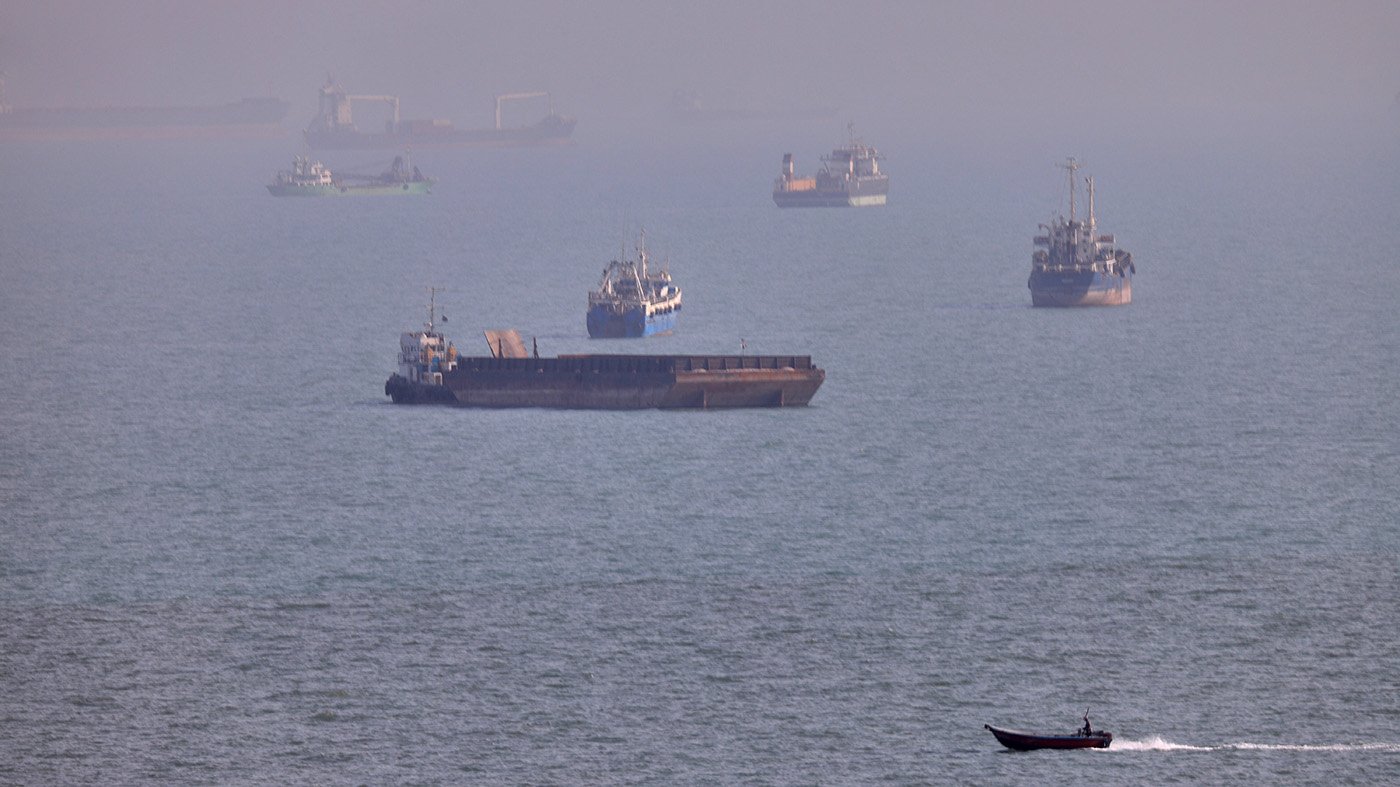
The strait, through which about a fifth of global oil and liquefied natural gas flows in peacetime, has been effectively closed by Iran since February 28, when the U.S. and Israel launched their war on the country. The closure has driven up fuel and goods prices in the United States, a political liability for Republicans ahead of the midterms.
Iran and the U.S. are not in direct talks but are exchanging messages through intermediaries, according to Iranian Foreign Minister Abbas Aragchi. Vice President JD Vance told Fox News on Saturday that the two sides are working on establishing a safe traffic lane in the strait, but warned that the war is still "in the middle of the game" and that Tehran must provide assurances it will not fire on transiting ships. "I do think that we've made some progress over the last few days," Vance said, adding, "This thing is not over."
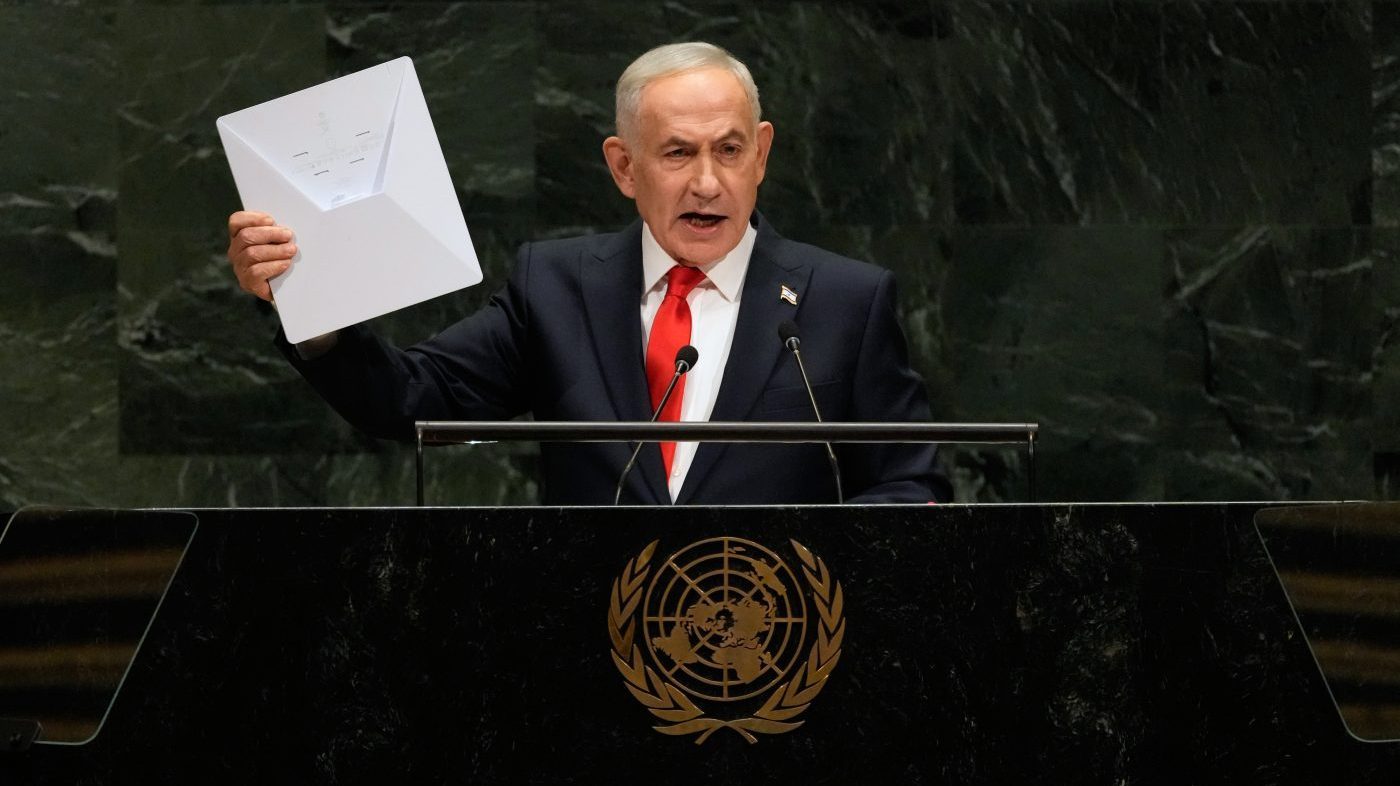
Oman-mediated talks have tentatively promised an agreement that could come within days, but Tehran has warned the waterway will not be fully reopened until its demands are met. Top Iranian security official Mohammad Bagher Zolghadr on Sunday asserted Iran would not open the strait "until America corrects its behavior." Aragchi later said a deal was in the "final stages" but repeated the need for U.S. concessions.
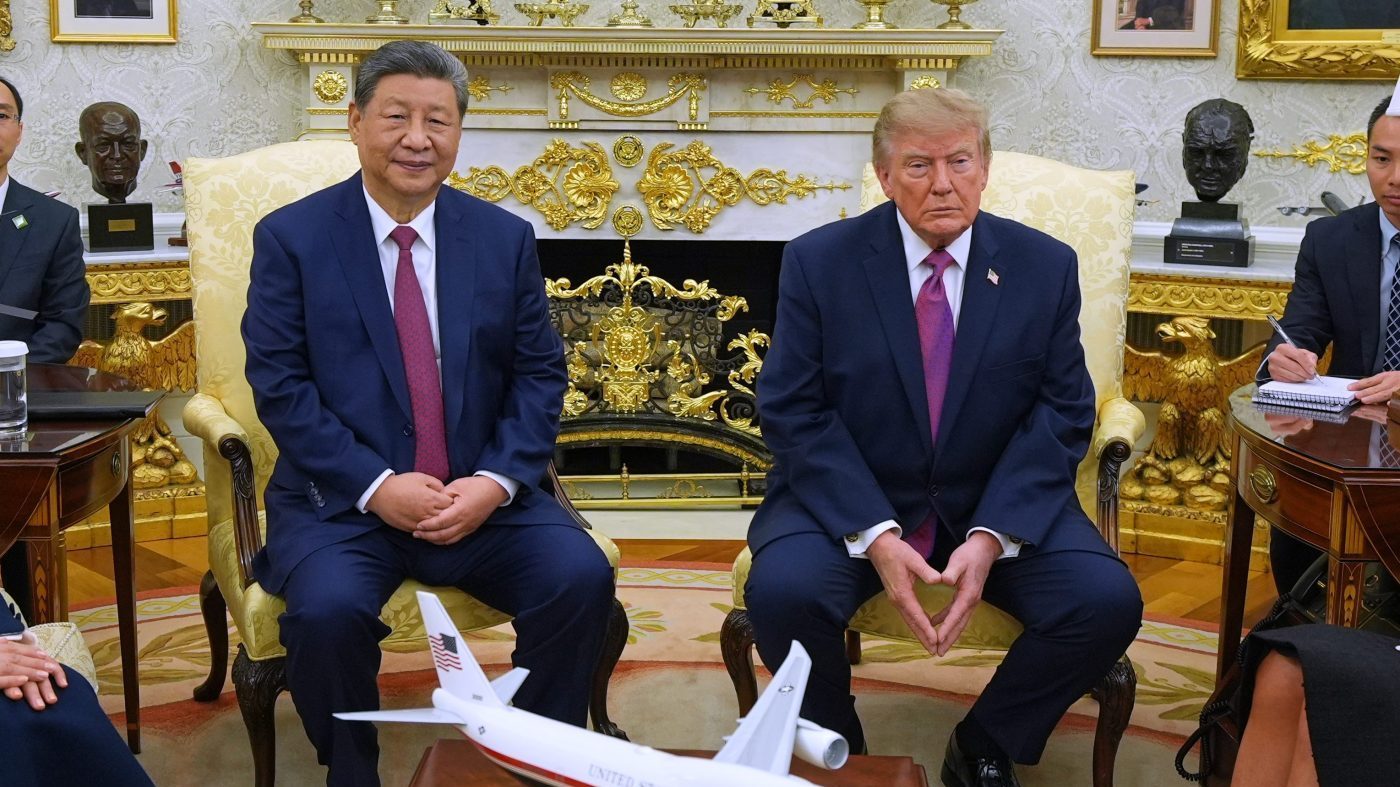
Trump, in the Oval Office on Monday, told reporters: "They ask for money for the damage that we've done. I said 'that's a good idea. Well, we're going to ask for money for the damage they've done over a 50-year period.' If there's damages to be paid, I think Iran should pay those damages." He also insisted the strait is "open now" because the U.S. Navy blockade allows "people in that we want to let in." "We control the Strait 100 percent. Now, can [Iran] make trouble? Yeah, they can make trouble, but they're broke . . . and now they're paying a price," Trump added.
The back-and-forth is dimming prospects for a quick deal, despite optimism last week that an agreement was near. Trump administration officials have repeatedly asserted that Iran cannot control access to the vital shipping lane and stressed that the U.S. would not make immediate payments to Iran in past peace talks. According to Kelanic, Trump appears driven more by a desire to secure a personal victory than by strategic considerations. "He wants to feel like he's gotten something out of this. He's the guy at the casino that's gambled it all on red on the roulette wheel and he's trying to gamble himself back to breaking even," she said.
As the standoff continues, the fate of the strait—and the global energy market—remains uncertain. For more on the broader implications, see Vance's report on the stalled talks and the Senate's reaction to Iran's demands.