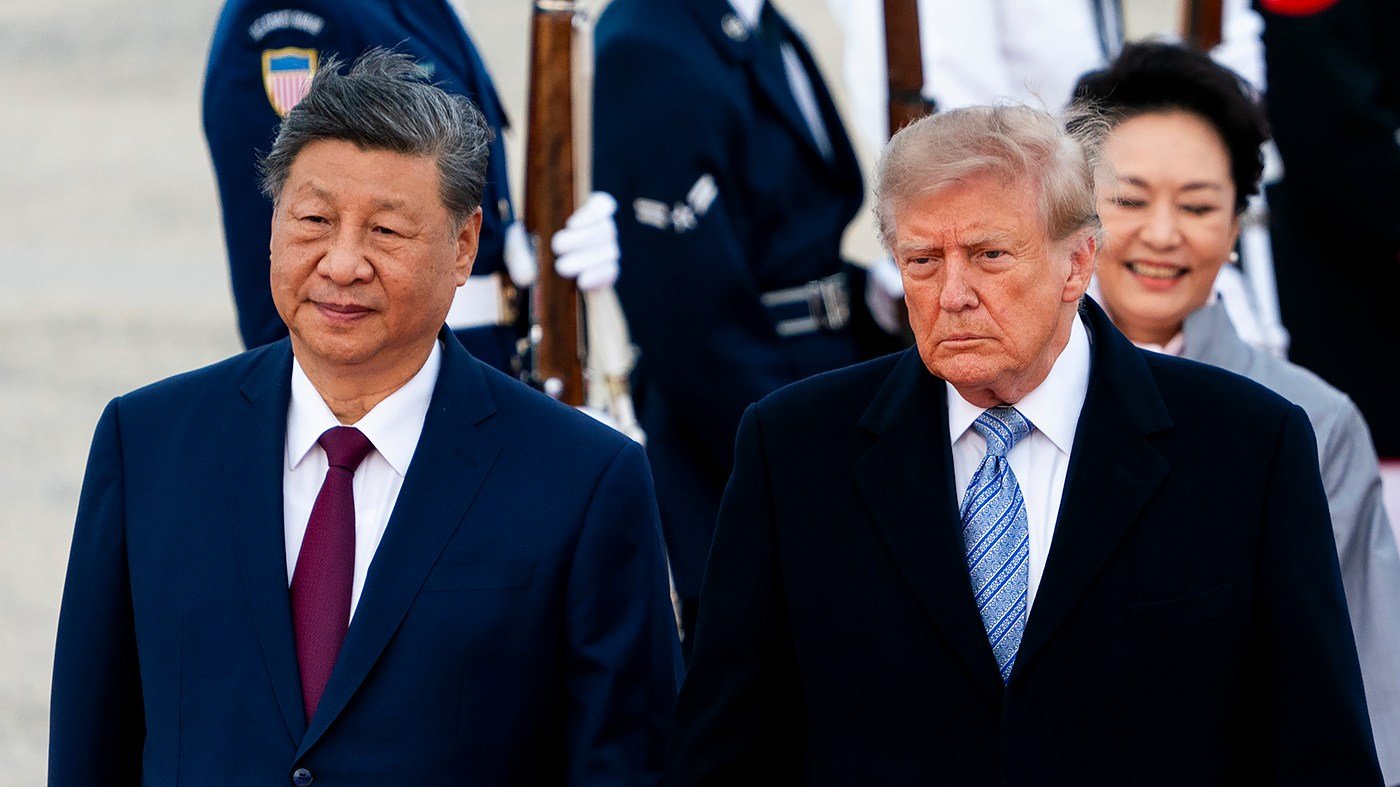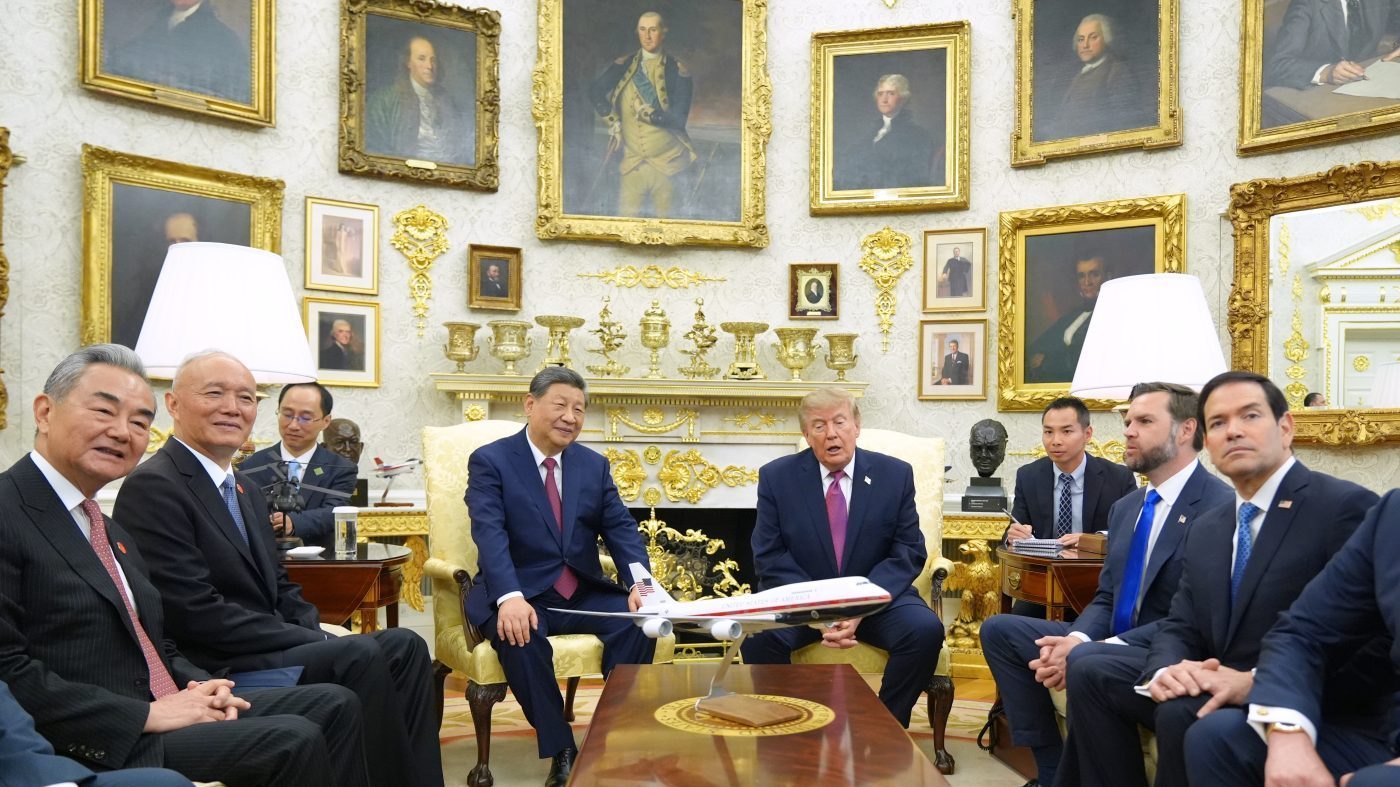
The White House television pool remained in flux Thursday as the major broadcast networks continued to withhold participation, even as CNN, MSNOW, and Politico were cleared to return to the grounds following a federal court ruling. The standoff unfolded against the backdrop of Chinese President Xi Jinping's state visit, adding an unusual layer of tension to an already packed diplomatic schedule.
Reporters from ABC, CBS, NBC, and Fox News were physically present at the White House on Thursday, but they declined to staff the rotation pool—the small group of journalists who cover events on behalf of the broader press corps. Their boycott, which began after President Trump barred the three outlets last week, persisted despite the court order that allowed those outlets back onto the property midday Thursday.
The absence of network television coverage was especially conspicuous during Xi's visit. None of the major networks carried Wednesday's arrival ceremony at Joint Base Andrews, and although ABC was listed as the primary television pool for Thursday, it did not broadcast Trump's events or air footage of the day's proceedings. Print, radio, and secondary television journalists, however, continued to cover the president throughout the ban and were present for the entirety of Xi's visit.
Journalists from the major networks joined other press members for the arrival ceremony and military review on the South Lawn, but they deliberately held back from covering the event until they had confirmation that CNN, MSNOW, and Politico had regained full access. That confirmation came only after a chaotic morning in which reporters from those outlets were initially denied entry despite the court's ruling.
By midday, the previously banned journalists were back at their workspaces and conducting live shots from the North Lawn's "Pebble Beach" area. MSNOW White House correspondent Akayla Gardner marked her return on X with a screenshot of her live shot, writing, "It's good to be back."
The uncertainty over the press pool compounded the already frenetic atmosphere of the state visit. The day's schedule included a formal arrival ceremony, remarks from both leaders, a Rose Garden military review, and bilateral meetings. The White House grounds were more crowded than usual, with additional U.S. and foreign press, including a large Chinese media contingent.
Tensions flared between Chinese journalists and Secret Service agents on the South Lawn, as captured in videos shared online. Some Chinese reporters appeared to resist moving when asked, leading to raised voices and agents physically guiding them out of the way.
Despite the disruptions, reporters in the pool did get a chance to shout questions at Trump and Xi as the president showed his counterpart Marine One, the presidential helicopter. Trump told reporters, "We had a great meeting," but declined to answer questions on topics such as fentanyl, Taiwan, artificial intelligence, and imprisoned Hong Kong businessman Jimmy Lai—an issue that has drawn bipartisan attention ahead of the visit.
In a Truth Social post before Thursday's state dinner, Trump lashed out at MSNOW and CNN, accusing them of "refusing" to cover the state visit despite being banned. "The event was magnificent — Actually made for Television but, because they're Fake News, and because they knew how good it would be, they didn't want credit to be given to 'TRUMP,' they refused to be there," he wrote.
The standoff comes as the high-stakes summit unfolds amid broader political tensions, including calls for tighter AI chip export controls and questions over Jimmy Lai's fate. The press pool dispute has now become part of the story, raising concerns about the independence of the White House press corps and the precedent set by punishing outlets for coverage decisions.