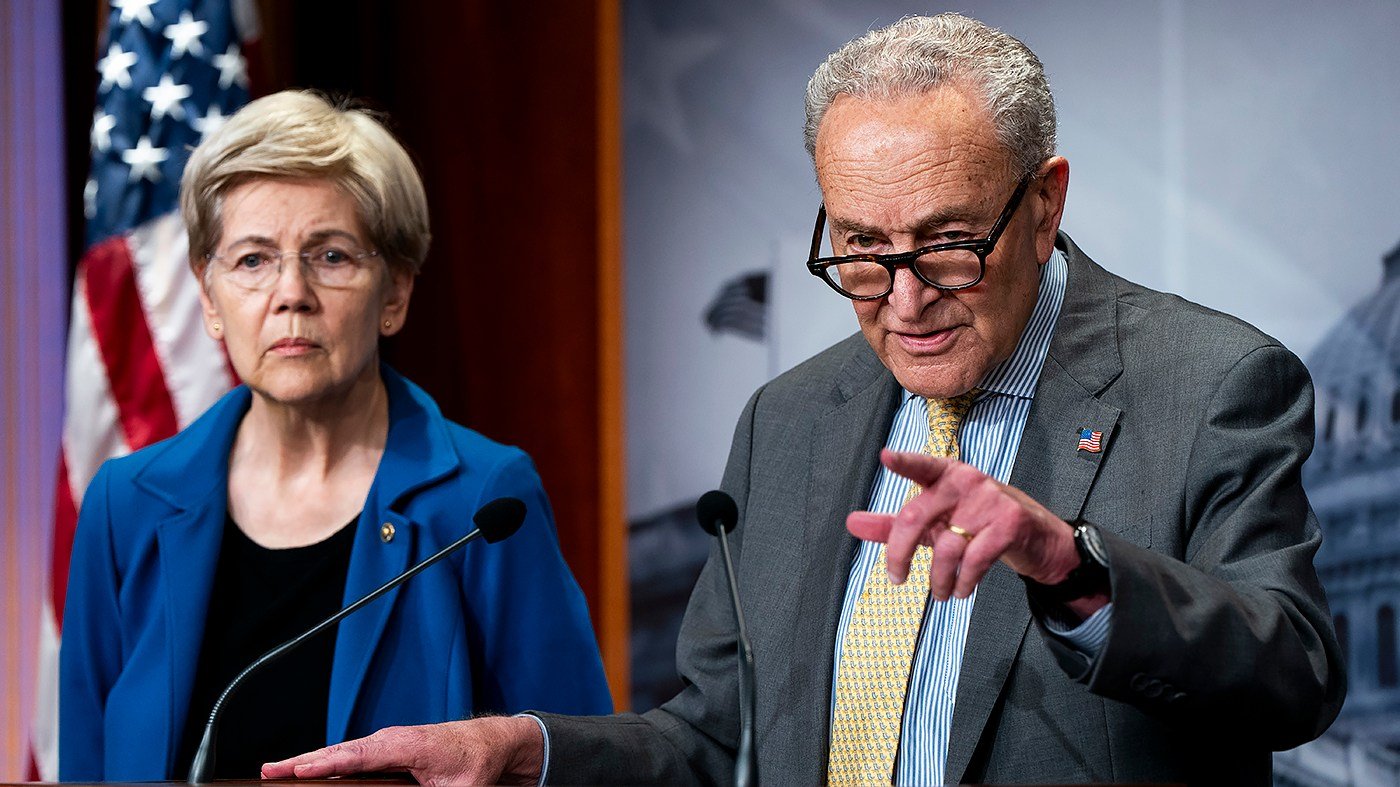
Senate Majority Leader Chuck Schumer (D-N.Y.) and several Democratic colleagues are urging Congress to pass a package of bills that would impose stricter limits on the sale of advanced artificial intelligence chips and related manufacturing equipment to China. The push comes just as President Trump is set to host Chinese President Xi Jinping in Washington for talks where AI and technology competition are expected to be high on the agenda.
At a press conference Wednesday, Schumer, along with Sens. Elizabeth Warren (D-Mass.), Andy Kim (D-N.J.), and Elissa Slotkin (D-Mich.), argued that the United States must not relax its export controls on cutting-edge semiconductors. "We are calling on Trump to stand up for the nation's security by once and for all blocking China's access to our AI chips and manufacturing equipment," Schumer said. "President Trump must draw a hard line. Do not weaken America's export controls. Do not give China greater access to the advanced chips and chip-making equipment it needs to close the gap with the United States."
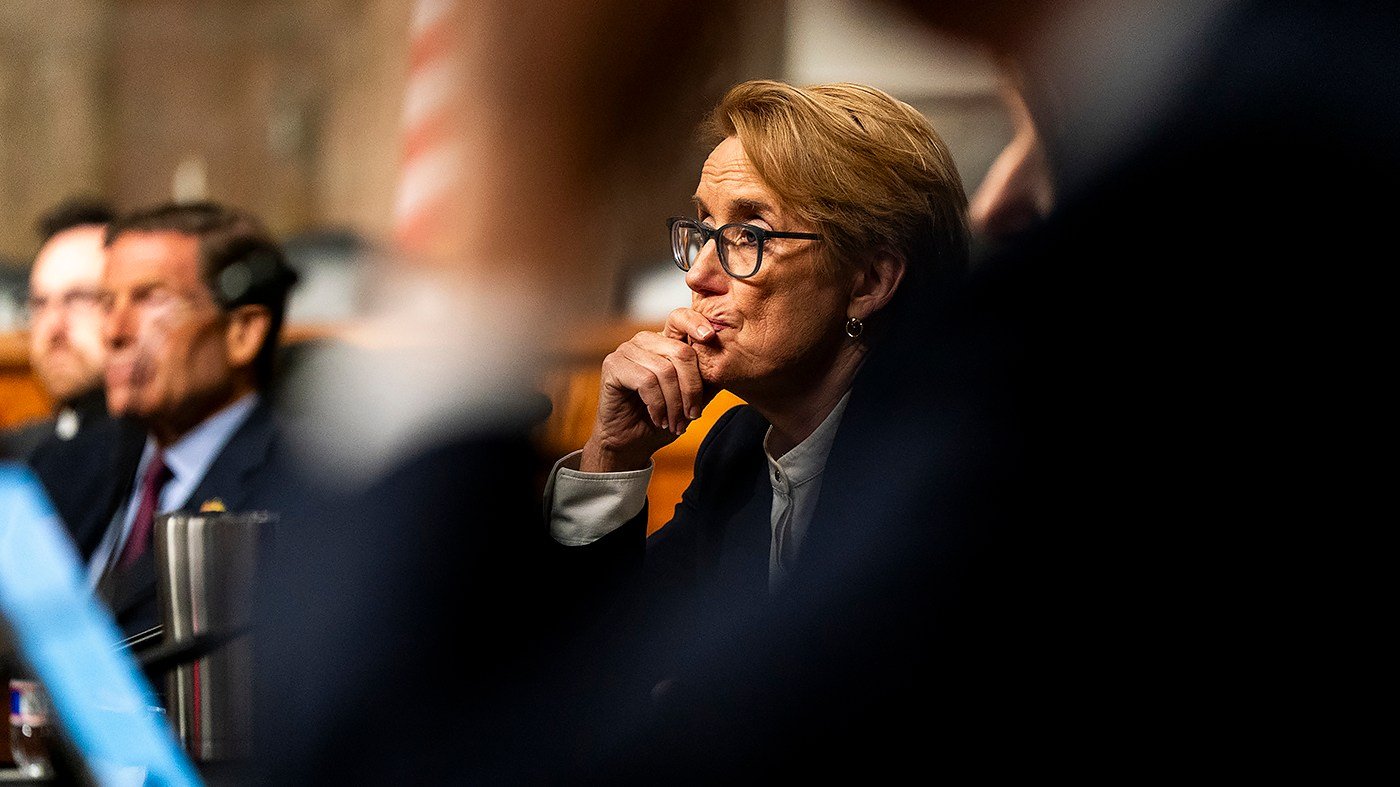
The Democrats' move comes amid growing concern among researchers and lawmakers about the national security implications of AI technology. They want to ensure that the U.S. maintains its technological edge over Beijing, especially as the two leaders prepare to discuss a range of issues, including trade and security.
Trump has repeatedly emphasized the importance of staying ahead of China in AI, but his administration has occasionally taken a more permissive approach to chip exports than some hawks in Congress would like. Last year, the administration allowed Nvidia to sell its H200 chips to China, a decision that drew bipartisan criticism. Lawmakers argued that the move effectively handed over America's most advanced technology to a strategic rival.
Administration officials and Nvidia have defended the decision, noting that the H200 is several generations behind the latest chips and that selling it could keep China dependent on U.S. technology while hampering its domestic semiconductor industry. But Slotkin rejected that logic on Wednesday, saying, "If constantly the president is going to talk about this rivalry with China, he can't in the same breath hand them our most sophisticated chips. It's literally a giving away of our national security."
The senators are urging Republican leaders to take up three specific bills. The AI Overwatch Act, introduced by Warren and Sen. Jim Banks (R-Ind.) in May, would block advanced chip exports to U.S. adversaries for 18 months and give Congress more oversight over export licenses. The Match Act, sponsored by Kim and Sens. Jim Risch (R-Idaho) and Pete Ricketts (R-Neb.), would prohibit the sale of essential chipmaking tools to countries of concern. The Chip Security Act, put forward by Sen. Tom Cotton (R-Ark.), would require chips to include security mechanisms to prevent them from being diverted to restricted nations.
Kim emphasized that these are not just proposals but ready-to-go legislation that has bipartisan support. "This is not some idea that we have. It is actual legislation that we have ready to go," he said. "We have legislation that is bipartisan and is something that can make a significant and meaningful impact on this."
The push for stricter export controls comes as Trump prepares for a high-stakes meeting with Xi, with some lawmakers warning that the president should not trade away U.S. technological advantages for short-term diplomatic gains. The outcome of the summit could have major implications for the global semiconductor market and the broader U.S.-China rivalry.