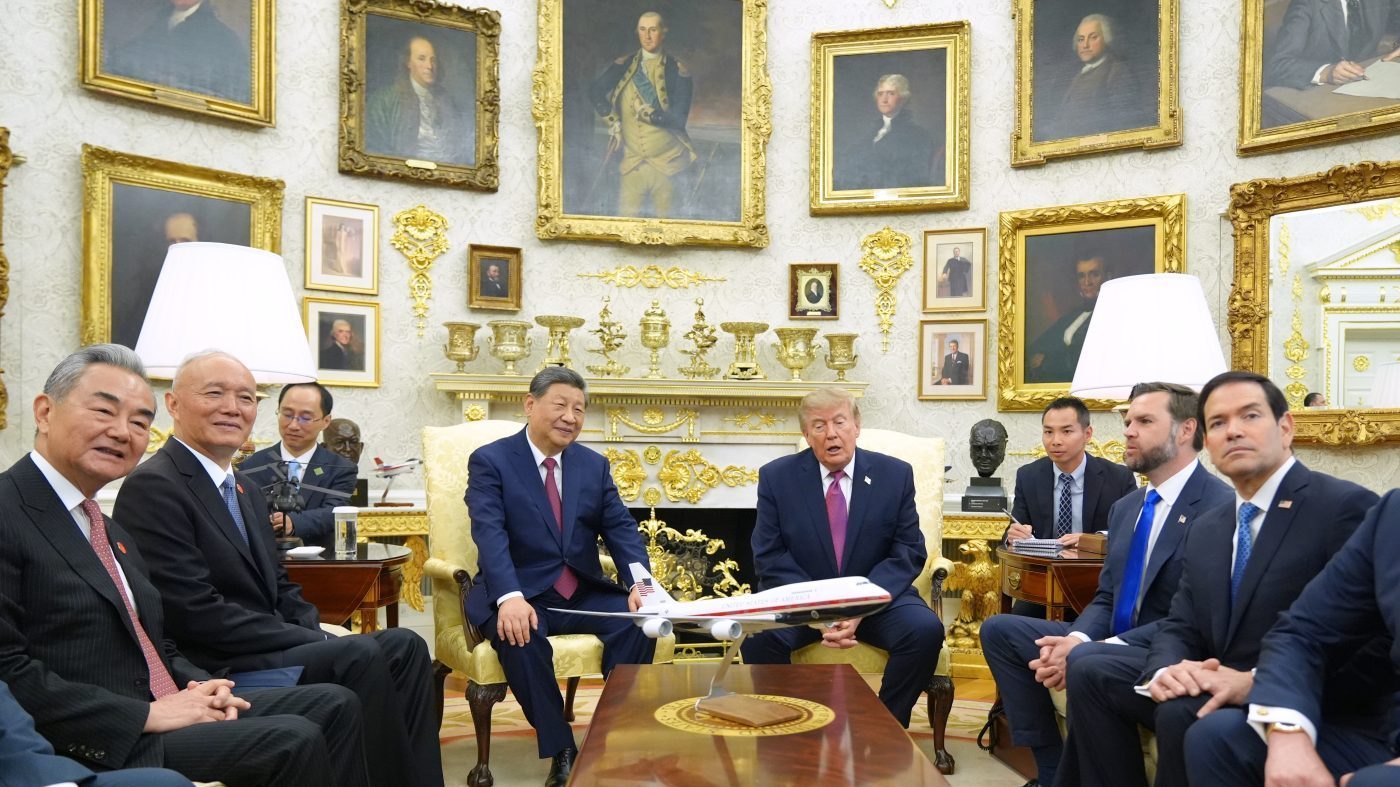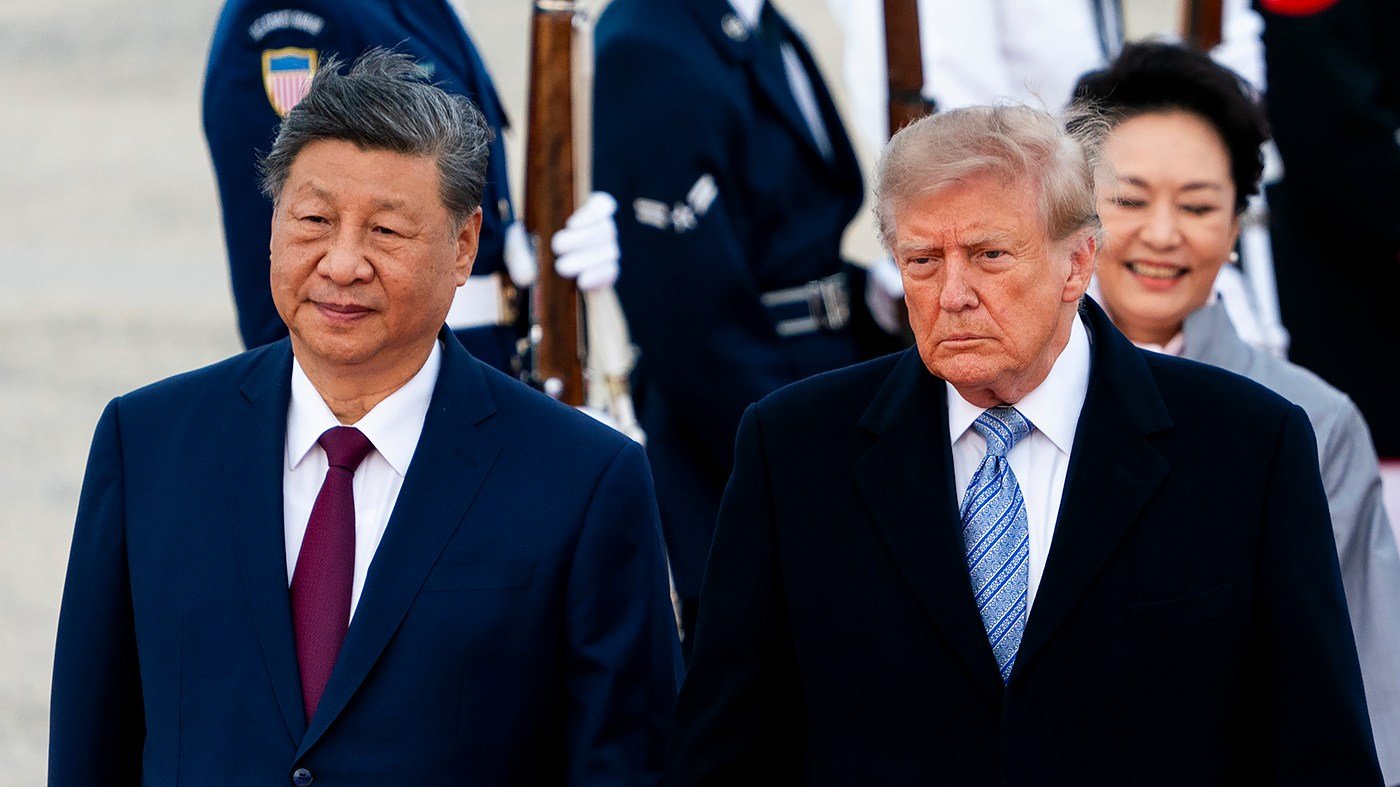
President Donald Trump on Thursday accused CNN and MSNBC of deliberately skipping coverage of Chinese President Xi Jinping's ceremonial arrival at the White House, calling the event “made for Television” and the networks “Fake News.” The broadside came hours after a federal judge ordered the administration to restore the outlets' press credentials, which had been revoked over the weekend.
In a post on Truth Social, Trump wrote: “CNN and MSDNC, to show you how fake they are, today refused to cover one of the Biggest and Most Beautiful Events to take place in many years, the arrival at the White House of the Highly Respected President of China, Xi Jinping, and his beautiful wife, Madam Peng.” He added that the event was “magnificent” and that the networks avoided airing it to deny him credit.
The president's decision to bar CNN, MSNBC, and Politico from the White House prompted the rotating TV pool—which includes CNN—to suspend coverage of presidential activities in solidarity. That meant no pool reporters were present for Xi's arrival on Wednesday evening or his subsequent visit to the White House grounds. Journalists from the three outlets were not allowed back until after noon Thursday.
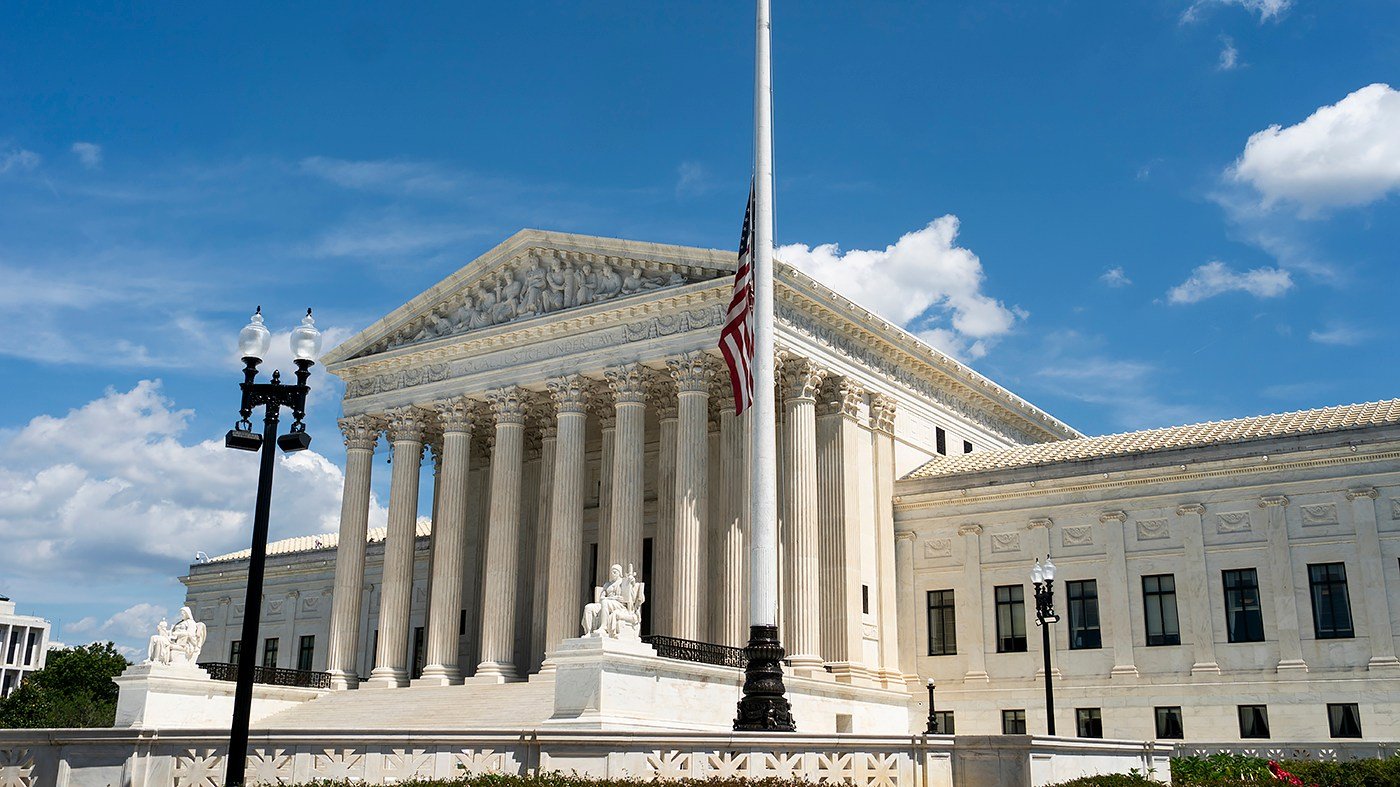
U.S. District Judge Timothy Kelly ruled early Thursday that the administration violated the outlets' due process rights, restoring their access. The White House had argued the bans were justified by national security concerns, a position the Justice Department defended in court filings this week. The judge's decision did not address the underlying legality of the bans, and it remains unclear when the TV pool will resume regular coverage or whether CNN will be credentialed for its next slot in the rotation.
Trump has long railed against mainstream media coverage, and Thursday's remarks were consistent with that pattern. He has recently criticized reporting on the war in Iran and on economic anxieties among voters. In his post, he also claimed the networks' low ratings stem from their “fake” reporting.
The clash over press access unfolded against the backdrop of a high-stakes summit with Xi, with trade tensions and geopolitical rivalries on the agenda. The two leaders have aligned on some AI oversight principles but remain divided on global governance. Trump has also faced bipartisan backlash over the lavish welcome for Xi, with critics questioning the optics amid human rights concerns.
The judge's ruling was a significant setback for the administration's press strategy, but it did not stop Trump from using the visit to score political points. He concluded his post by promising a “spectacular” state dinner Thursday night, noting that “The Media will be in attendance.”
Legal experts say the ruling could have broader implications for how the White House handles press credentials, though the administration may appeal. Meanwhile, the pool's suspension of coverage has raised questions about the reliability of presidential news coverage during major events, as seen in the networks' boycott of the White House pool.
The episode underscores the ongoing friction between the Trump administration and major news organizations, a dynamic that has intensified during his presidency. With the summit continuing, reporters will be watching closely to see whether the restored access holds and how the administration balances its criticism of the press with the need for coverage of diplomatic events.