President Trump is set to welcome Chinese President Xi Jinping to Washington for a three-day state visit, a move that has ignited sharp criticism from China hawks in both parties. The White House is sparing no expense, with Xi set to receive a full arrival ceremony on the South Lawn, complete with military flyovers by B-2 Spirit and F-22 Raptor aircraft. Trump also greeted Xi personally at Joint Base Andrews on Wednesday evening—an unusual gesture reserved for close allies, not strategic rivals.
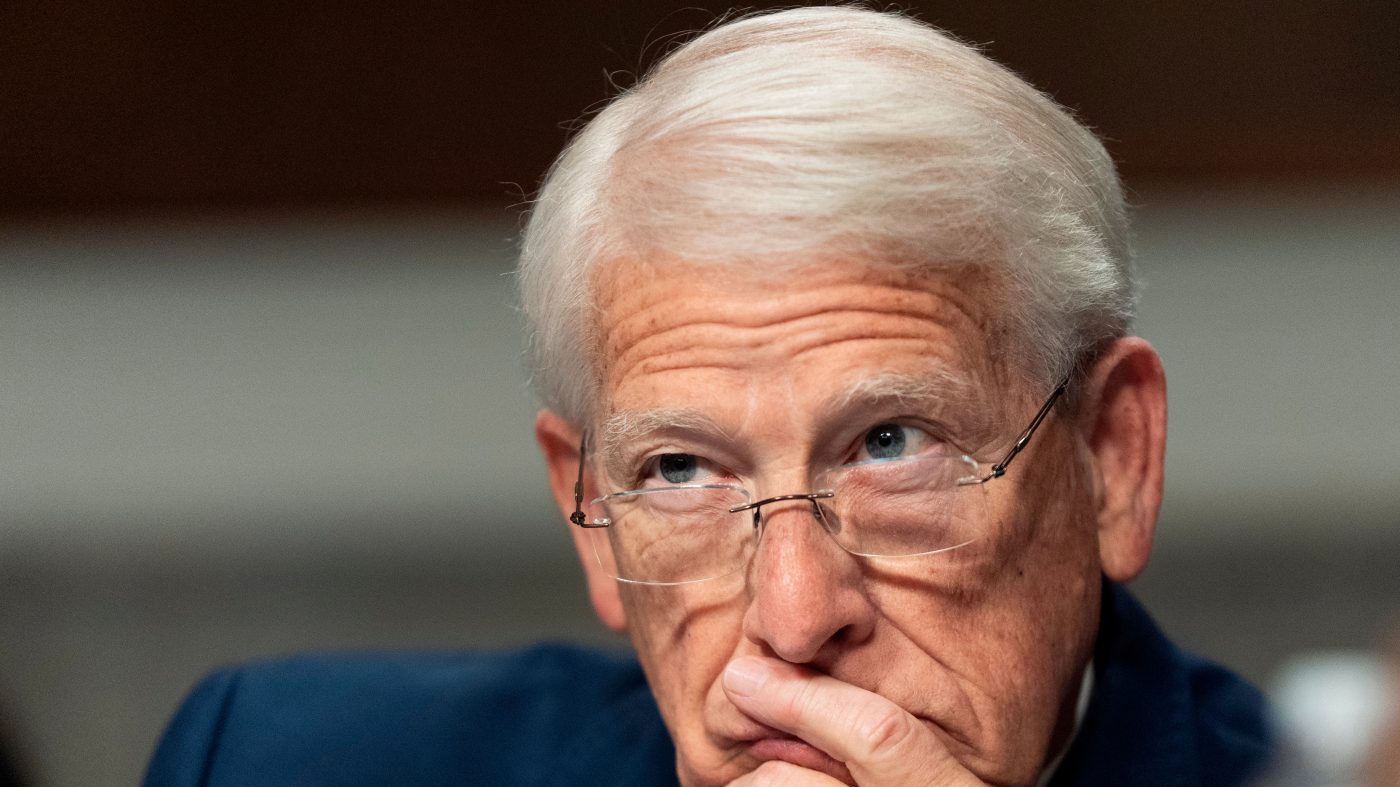
Critics question the optics of such a grand welcome for a leader Trump has long cast as an adversary. “Had the White House asked me for advice, I would have suggested the president not invite Xi Jinping to Washington for such a lavish welcome here in the United States, based on all of the troubling issues we have with President Xi and the Chinese Communist Party,” said Sen. Roger Wicker (R-Miss.), chair of the Senate Armed Services Committee, on the Senate floor Tuesday.

Substance over Symbolism
While the pageantry draws attention, many China critics say the real test is what comes out of the summit. “To me, the overall arrival and presentation is one thing. It’s certainly symbolic and can matter, especially for the Chinese side,” said Andrew Harding, a policy analyst at the Heritage Foundation and former Special Assistant for Asia on the National Security Council under Trump. “But I think from an American perspective, we need to focus on the substance of the agreements. What matters most about determining where the president’s position is is what is ultimately negotiated during the summit.”
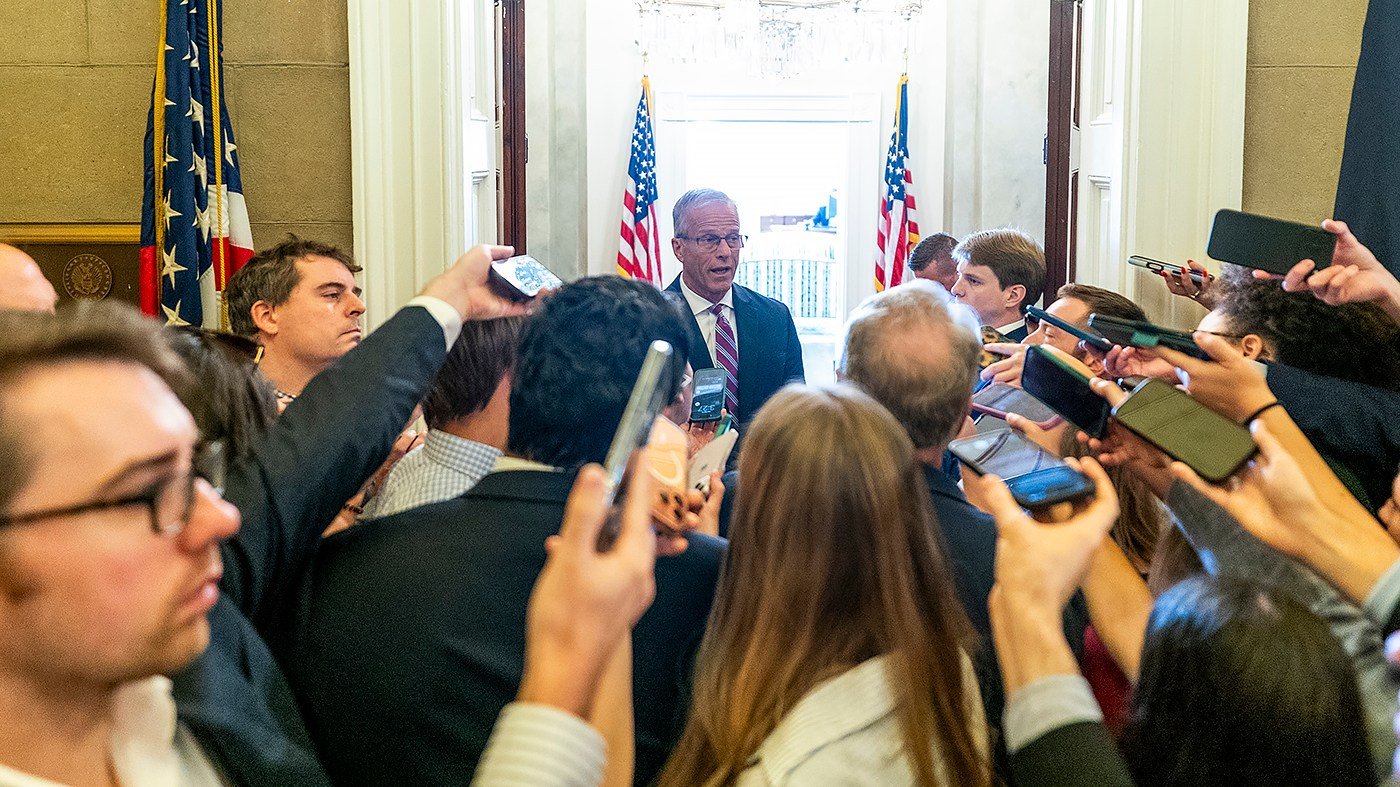
Some observers note that hosting foreign leaders is part of the diplomatic role any president must play. “This is one of Trump’s strengths,” said Marc Short, who served as Trump’s legislative director and later as chief of staff to Vice President Mike Pence. “He’s good at the entertaining and the hosting, and so he should do it his way.” Short added that he had “a bigger political concern about cozying up to Mamdani this week than I do this,” referring to Trump’s visit with New York City Mayor Zohran Mamdani at Gracie Mansion.
Trump’s Evolution on China
Trump’s stance on China has shifted markedly since his first campaign, when he regularly slammed Beijing as an economic threat. He reversed his 2020 ban on TikTok—owned by Chinese firm ByteDance—after joining the app in 2024 and opposing divestment efforts. “In his first term, President Trump was tougher on China than any president in 50 years, from trade to freedom of navigation in the South China Sea to cracking down on decades of Chinese spying at our universities and beyond,” said John Ullyot, a former National Security Council spokesperson. “Supporters worried about this week’s summit shouldn’t mistake rote diplomatic ritual for his record, and Xi, who has a long memory, knows better than to cross Trump in the final two years of his term.”
Key Issues on the Agenda
The summit comes amid several high-stakes issues, including artificial intelligence, trade, the war in Iran, a proposed $14 billion U.S. arms sale to Taiwan, and the potential release of American detainees. Lawmakers are pressing Trump to take a hard line. The GOP-led House Select Committee on China released a video labeling Xi “the CCP leader behind some of the world’s worst human rights abuses.” Committee chair Rep. John Moolenaar (R-Mich.) wrote to Trump urging tough stances on China’s role in Iranian strikes that killed U.S. service members, AI, and semiconductors.
Last week, Republican Sens. Ted Budd (N.C.) and John Curtis (Utah) joined Democratic Sen. Ed Markey (Mass.) in sponsoring legislation to prioritize securing the release of U.S. citizens wrongfully detained in China, including scholar Min Zin.
The visit follows a May summit in China, where deals included China purchasing at least $17 billion in U.S. agricultural goods annually through 2028, resuming U.S. poultry exports, and agreements for GE jet engines and Boeing jets. “Trump isn’t rolling out the red carpet in supplication to Xi, he’s demonstrating the magnanimity of a leader who is confident in his negotiating position,” said Cale Brown, former State Department principal deputy spokesperson and chair of Polaris National Security.
Trump also made progress on detainees during the May meeting, with Christian Pastor Ezra Jin Mingri—whose children are U.S. citizens—being released by Chinese authorities last summer after Trump raised his case. The upcoming talks are expected to address similar humanitarian concerns, though critics remain wary of the signal sent by such a high-profile welcome. As the event unfolds, all eyes will be on whether the red carpet leads to concrete policy outcomes or merely a photo opportunity.