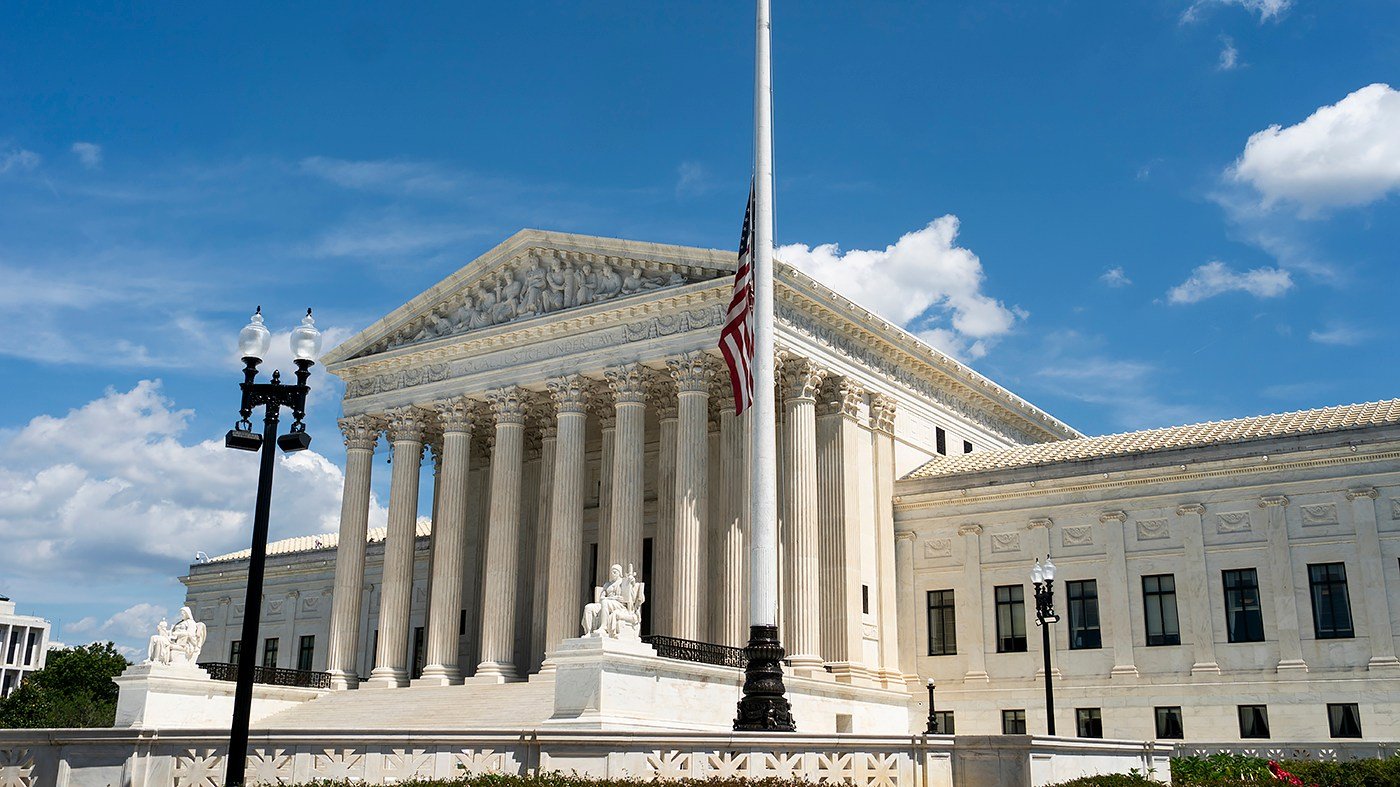
The Department of Homeland Security (DHS) on Thursday asked the Supreme Court to intervene and permit the resumption of deportations to countries where migrants have no connections, a practice known as third-country removals that has become a cornerstone of President Trump's immigration enforcement strategy.
The administration has secured agreements with multiple nations, particularly in Africa, to accept deportees. The flights had been operating for months after the Supreme Court previously sided with the president at an earlier stage of the litigation. But the U.S. Court of Appeals for the 1st Circuit last week upheld a district court ruling that requires the government to give migrants a meaningful chance to raise claims that they would be tortured if sent to a third country. Late Wednesday, the appeals court clarified that its decision meant the administration must halt the flights, including a planned deportation of a Peruvian man to the Central African Republic.

Solicitor General D. John Sauer, in an emergency application, urged the justices to immediately stay the lower court's ruling while the administration appeals. He argued that the decision has caused "chaos" and already forced DHS to cancel a flight carrying 70 people with criminal convictions to three countries. "The unexpected springing-back of district court's order has, this Office is informed, created substantial logistical problems with ongoing removal operations—including the cancellation of flights—and led to added expense, potential diplomatic issues, and the inability to remove dangerous criminals," Sauer wrote.
The case now goes to Justice Ketanji Brown Jackson, who handles emergency matters from the 1st Circuit. She has ordered the plaintiffs to respond in writing by Monday afternoon and could act on her own or refer the matter to the full court. This marks the latest in a series of high-stakes emergency appeals by the Trump administration, which has sought Supreme Court intervention more than three dozen times since retaking office after lower courts blocked various policies. The justices are still considering a separate emergency case involving DHS's efforts to overhaul a key immigration database before the midterms.
The legal battle over third-country removals dates back to last year, when the Supreme Court first lifted a temporary block on the flights over dissents from the liberal justices. Days later, the court again ruled in favor of the administration, rejecting a judge's claim that a deportation flight to South Sudan had defied his order. Those rulings have effectively allowed the deportations to continue since last summer.
Now the high court is being asked to review the final judgment from U.S. District Judge Brian Murphy, a Biden appointee in Boston, which the 1st Circuit upheld. Murphy's ruling requires DHS to provide migrants with certain procedures to raise torture claims before deportation to a third country. The administration contends that it only sends deportees to nations that have given Secretary of State Marco Rubio "credibly assured" guarantees that they will not be persecuted.
Sauer criticized the district court for having "tripled down" by entering final judgment on substantially the same grounds. The government's emergency application stresses that the flights are essential to public safety and that the lower court's order undermines ongoing removal operations. The case highlights the broader tension between the administration's aggressive immigration enforcement and judicial oversight, as well as the increasing reliance on the Supreme Court's emergency docket to resolve disputes over executive power.
As the legal fight unfolds, the administration's push for third-country deportations remains a flashpoint in the national debate over immigration policy. The outcome could determine how far the government can go in removing migrants to countries where they have no ties, and whether the Supreme Court will continue to clear the way for such removals. With the midterms approaching, the case also carries political implications, as the administration seeks to demonstrate toughness on immigration while facing repeated legal challenges.