The early stages of what could become World War III are already upon us. The current global conflict traces back to the 1917 Russian Revolution, which sought to export its authoritarian economic and political ideology worldwide. That ideological battle, ongoing for over a century, was punctuated by the two world wars—first a conventional nationalist conflict, then a struggle against fascist and imperialist totalitarianisms. In both, the United States emerged as the vanguard of democracy against autocracy.
Today, the threat has evolved. The ideological heirs of Stalin, Mao, and Kim Il-sung—Putin, Xi Jinping, and Kim Jong-un—now lead regimes that suppress their own populations and menace their neighbors. Their systems have shed the messianic internationalism of Marx and Lenin, but retain a deep hostility to the democratic model, where leadership changes only through the will of the people, not heredity or brute force.
The current constellation of authoritarian powers is more coordinated than ever. Russia's invasion of Ukraine and seizure of Georgian territory are only the opening moves in Putin's revanchist project to rebuild the Russian Empire. Iran has emerged as a major military player in the Middle East, directly confronting the U.S. and diverting resources from other fronts. North Korea has sent 50,000 troops to bolster Russia, gaining combat experience and demonstrating its value to the anti-Western coalition—while firing missiles near Japan to intimidate America's key Asian ally.
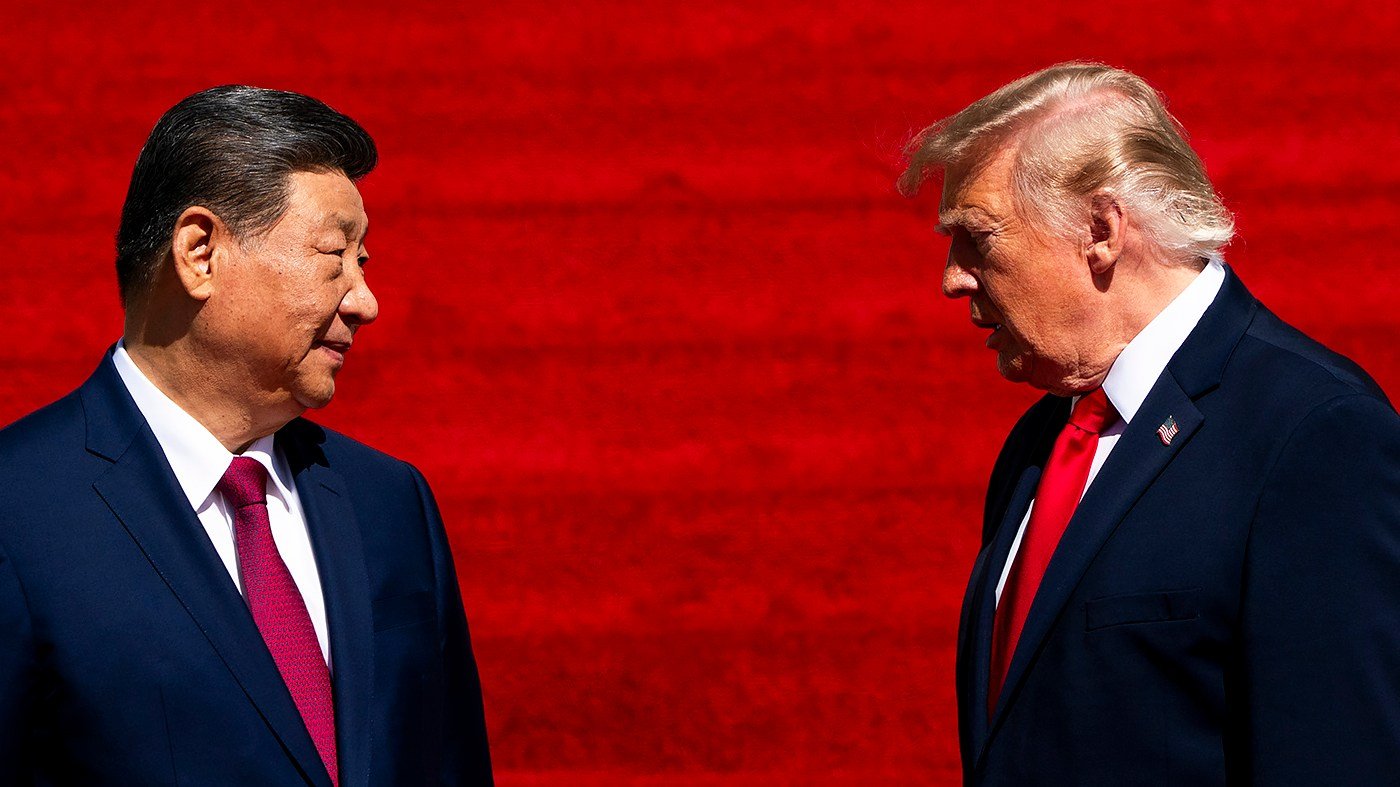
China, the economic engine of this authoritarian axis, stands to benefit most from the fraying of Western collective security. Its ambitions include absorbing Taiwan, along with Tibet, East Turkestan, Macau, and Hong Kong, completing a consolidation long sought by Chinese leaders. Beijing's role as the indispensable partner makes it the linchpin of this coalition.
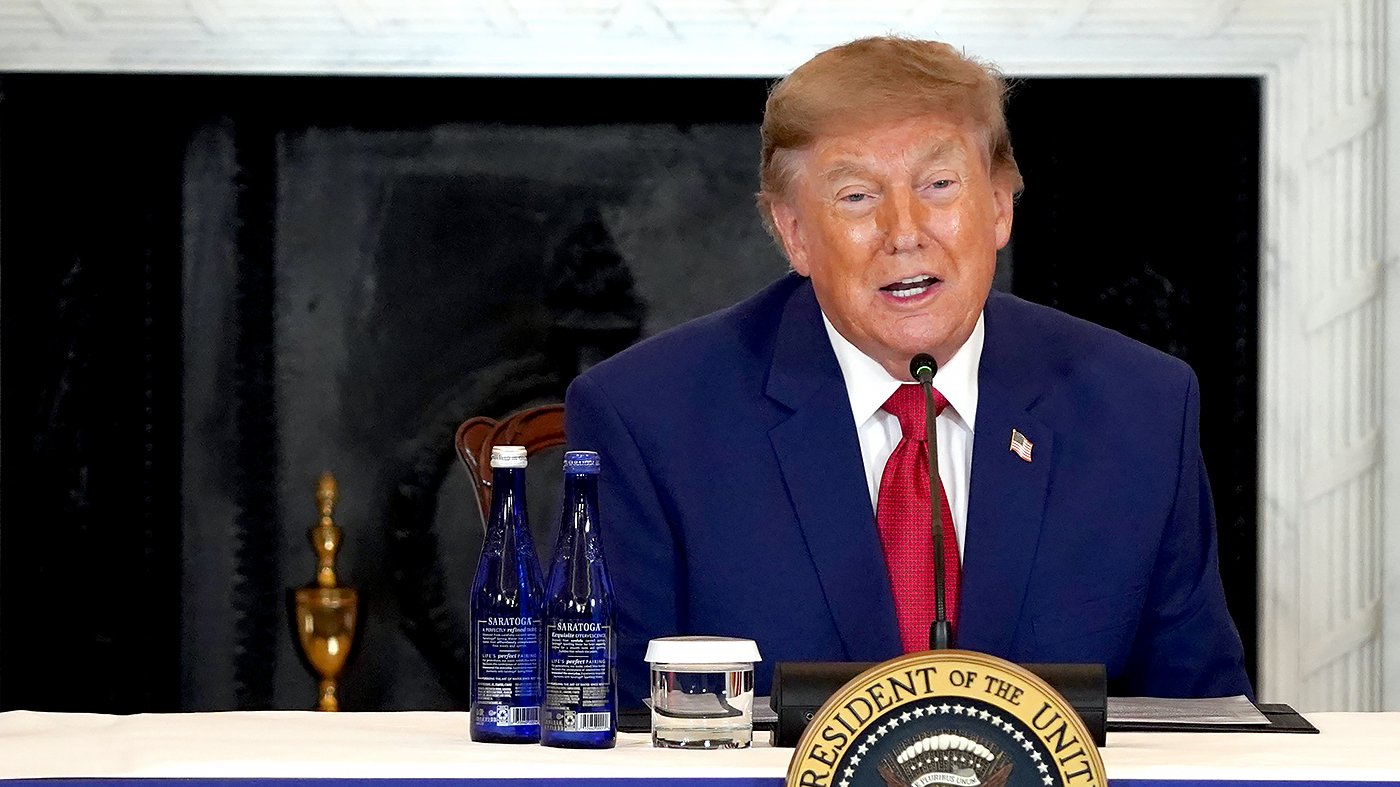
Yet the Trump administration's response has been erratic and self-defeating. Officials have complained about spending munitions against Iran or defending Ukraine, while simultaneously projecting weakness that emboldens adversaries. This has created a perception of flailing, as if the U.S. were a Gulliver entangled by lesser powers. The administration's reluctance to fully commit to Ukraine or to deter China over Taiwan sends a dangerous signal that the West's resolve is faltering.
President Trump's foreign policy has shown little interest in moral crusades or soft concepts like human rights and the rule of law. But he has the power to rescue the democracy project from the designs of dictators and tyrants. To do so, he must first recognize that the forces challenging democratic values also threaten national and global security. The values under attack are not abstract—they underpin the stability that has prevented global catastrophe for decades.
The stakes could not be higher. If the Trump administration acts wisely, firmly, and consistently, with support from Congress and allies, the current confrontation might be contained. But even without a full-scale world war, the aggressors can make incremental gains, eroding the U.S.-led international order piece by piece. A piecemeal strategy that tolerates each authoritarian advance only strengthens the coalition against democracy.
As the administration navigates these crises, it must also address the domestic front, where GOP senators rally around Thune amid Trump's mixed messages, and Middle East strategy fractures under Iranian demands and Israeli rejection. These internal dynamics mirror the external chaos. The president's recent use of a decoy jet to evade Iran threats underscores the heightened tensions. Meanwhile, critics like O'Reilly urge tougher strikes against Iran, highlighting the policy divisions even among supporters.
The world is watching. Trump's next moves will determine whether the West's democratic order holds or crumbles under coordinated assault. The challenge is not merely military but existential—and the time to rise to it is now.