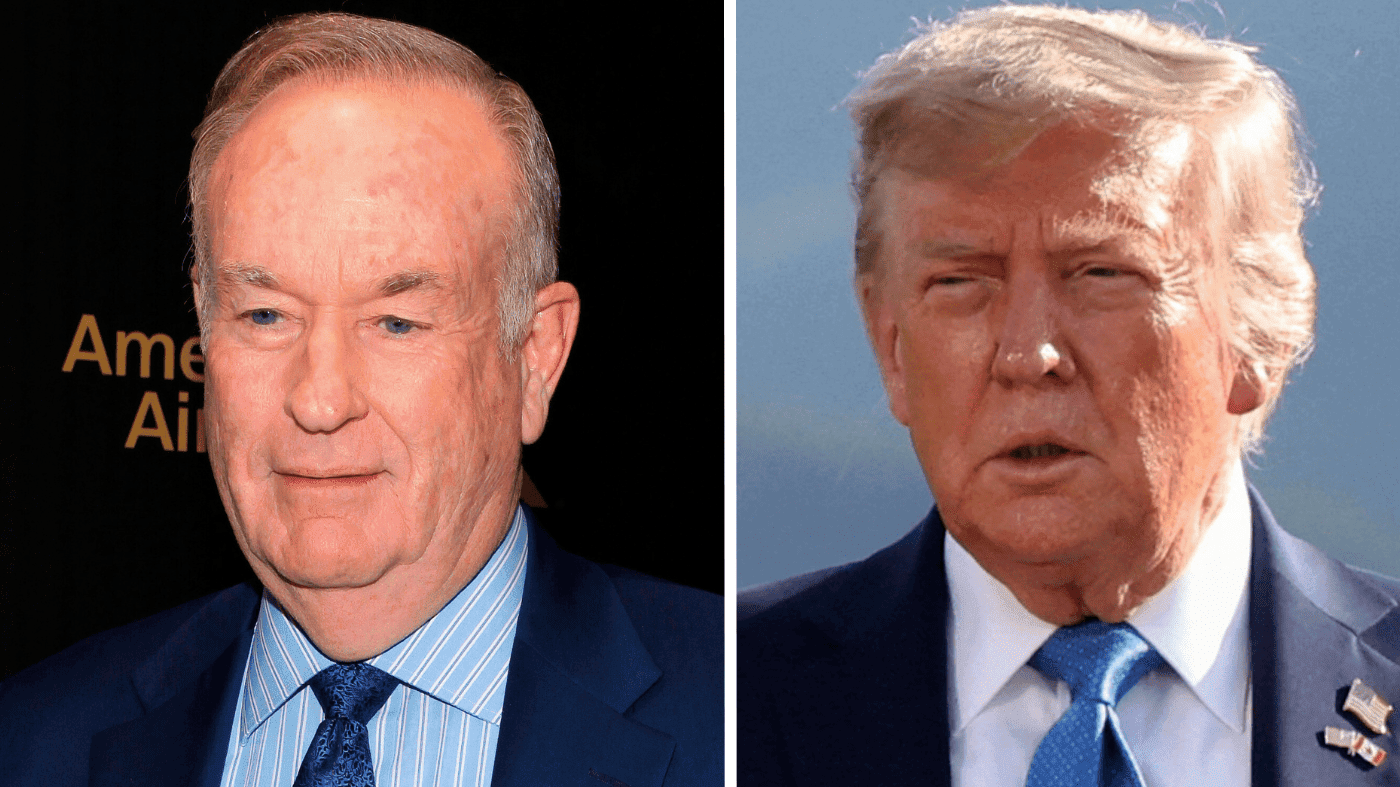
Conservative commentator Bill O'Reilly pushed back on Monday against criticism that President Trump's Iran policy lacks direction, arguing instead that the president faces a difficult strategic moment and has not yet exhausted his options.
Appearing on NewsNation's "On Balance," O'Reilly said Trump is not "flailing" as he works to pressure Tehran into a new agreement that would address both the regime's nuclear ambitions and the ongoing crisis in the Strait of Hormuz. He acknowledged that Trump has been reluctant to order strikes that could cause significant civilian casualties, but suggested that the administration may be reaching a point where more forceful action is necessary.
"I don't think he's flailing," O'Reilly told host Leland Vittert. "I don't think that's fair. He's got to make very difficult decisions. He didn't want to kill thousands of civilians. He told me that directly, all right? He didn't want to do it."
O'Reilly argued that diplomacy alone is unlikely to stop Iran's leadership, and that the United States may need to resort to military strikes against key infrastructure. "These mullahs aren't going to stop," he said. "And when somebody isn't going to stop, you have to stop them. And the only way we can stop them is to destroy the infrastructure of their country, which includes the uranium at Pickaxe and the capital city. You do that, the equation changes."
He laid out a more aggressive scenario, saying that if he were president, he would "obliterate" the mountain facility and then warn Tehran's residents to evacuate before hitting water and power grids. He acknowledged the likely international backlash and domestic political fallout, predicting that Democrats would protest and that Trump would be "almost alone" in such a move. Still, he insisted, "that is the way to do it."
Vittert pressed O'Reilly on whether Trump appears paralyzed between avoiding new attacks and failing to bring Iran back to the negotiating table. O'Reilly dismissed that characterization, drawing a parallel to World War II. "We had enough with Germany and Japan," he said, "and we took care of that. And we're going to have to do the same thing with Iran." He added that Trump "is not flailing, he just has to change the game plan."
The president's latest demand, delivered over the weekend, is that Iran pay reparations for past attacks on U.S. interests, including the 2000 bombing of the USS Cole. Trump also suggested that compensation could extend to families of Iranian protesters killed in recent unrest, citing figures of tens of thousands of deaths over the past five months. He said the compensation issue would be part of any future negotiations.
Iran, however, has shown no sign of returning to the table. Foreign Ministry spokesman Esmail Baqaei told state media on Monday that no talks are currently underway between the two countries. Foreign Minister Abbas Araghchi added on Tuesday that Tehran has proven itself "resilient" and an "invincible power against the U.S.," and that the Iranian people have demonstrated they know how to defend their rights in diplomacy.
The standoff comes as Trump's broader Middle East strategy faces fractures, with Iran's demands and U.S. counterclaims threatening any potential deal on the Strait of Hormuz. O'Reilly's remarks reflect a growing frustration among some conservative voices who argue that the administration's current approach may be too cautious.