President Trump is navigating a turbulent Middle East landscape as two separate crises converge, leaving his administration with limited options and rising political costs at home.
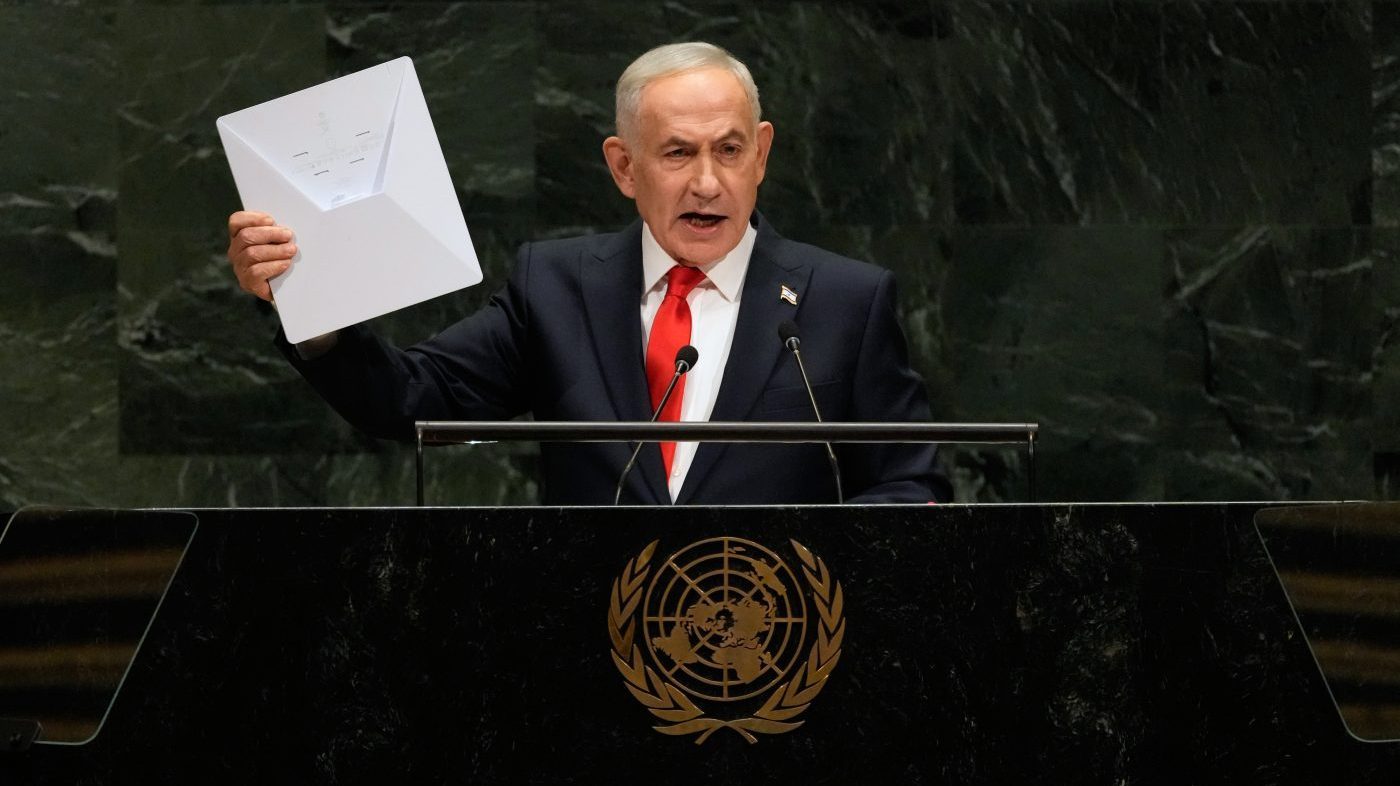
On one front, Iran is leveraging its position over the strategic Strait of Hormuz, escalating rhetoric and demands. Tehran's leadership now insists on reparations from the United States as a condition for restoring normal shipping through the vital waterway. On another, Israeli Prime Minister Benjamin Netanyahu on Sunday rejected a U.S.-backed plan aimed at de-escalating the conflict in Gaza, dealing a blow to Trump's hopes for a diplomatic breakthrough.

Iran's Strait of Hormuz Gambit
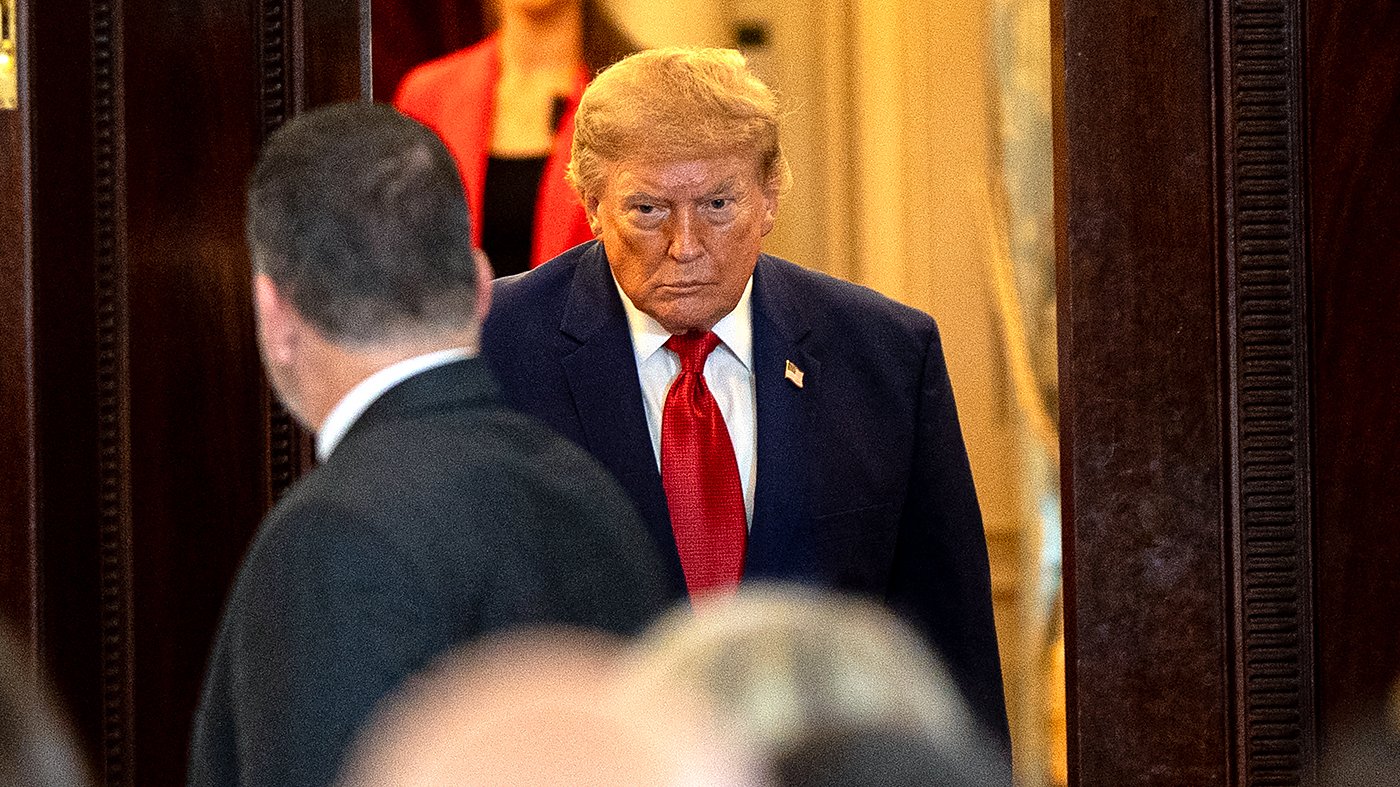
Iran's assertive posture has intensified pressure on the Trump administration. The Islamic Republic views its control over the strait as a strategic advantage, and its demand for compensation has drawn a sharp response from the White House. In a social media post, Trump dismissed the idea of paying reparations, instead demanding that Tehran compensate Washington for American casualties from Iranian-backed roadside bombs and other conflicts.
A U.S. official, speaking on condition of anonymity, insisted that the strait remains an international waterway and that no party can impede transit. "Any temporary routes will be without any impediments—meaning no approvals or permissions and no tolls or charges," the official said. However, the uncertainty has already spooked markets, with West Texas Intermediate crude oil climbing above $80 a barrel on Monday, a 5% jump. The national average gas price has risen to $4.01 per gallon, up from under $3 before the conflict began.
Netanyahu's Rejection Complicates Gaza Strategy
Netanyahu's categorical refusal of the 15-point plan, which envisioned a phased Hamas disarmament in exchange for an Israeli withdrawal from Gaza, has frustrated U.S. efforts. Hamas had signaled acceptance, but Netanyahu declared, "Israel does not accept the 15-point document," twice on camera. The plan's collapse strips Trump of a potential foreign policy win and adds to a growing list of disagreements with the Israeli leader.
Aaron David Miller, a former State Department Middle East specialist now at the Carnegie Endowment for International Peace, downplayed the significance of the deal's failure. "The whole project is tethered to a galaxy far, far away and is not worth fighting about," he said, adding that Trump announced it "because he needed a piece of good news."
Domestic Political Fallout
The crises are weighing on Trump's approval ratings. According to data from polling expert Nate Silver, 58% of Americans disapprove of Trump's performance, while only 38.5% approve. Rising gas prices and inflation, largely attributed to the Iran conflict, are key drivers of public discontent. The Gaza issue is more politically divisive, particularly within the Democratic Party, where a growing progressive wing criticizes Israel's actions, which have killed over 70,000 Palestinians since October 2023.
Trump's relationship with Netanyahu has been volatile, with the president publicly urging restraint on Israel's military operations in Lebanon. The two leaders have clashed over the scope of Israel's strikes, which have killed more than 4,000 Lebanese since March.
Options and Risks
On Iran, Trump faces a difficult choice between escalating military action and maintaining economic pressure. While he has threatened major strikes before, concerns about U.S. munitions stockpiles have grown, despite Pentagon assurances. Miller suggests a middle path: sustained economic pressure on Tehran, which could eventually force a change in behavior. "It certainly beats conceding to the Iranians control of the strait, or a massive escalation," he argued.
As Trump navigates these challenges, his political fortunes may hinge on domestic issues. But as the president is discovering, foreign policy crises have a way of spilling into the home front, complicating his agenda and testing his leadership.