On August 3, Kaisar Abduqeyum Hoja, a Uyghur translator, died suddenly at his home in Urumqi. His sister, Gulchehra Hoja, a U.S.-based journalist for Radio Free Asia, learned of his death only a week later, and only through intermediaries. In an era of instant global communication, that week of silence reveals how China's repression of Uyghurs has evolved.
Hoja first met Kaisar in 2018 while working for Amnesty International in Hong Kong. More than 20 members of her family had been detained, including her elderly parents and her brother. Amnesty launched urgent actions and media campaigns to try to save them. At the time, the world was beginning to grasp the scale of Beijing's campaign in the Xinjiang region. The government had constructed hundreds of vocational training centers, claiming they were meant to combat terrorism. In reality, these re-education camps became part of one of the largest mass detention and social engineering efforts of the 21st century.
The camps became the defining image of the crackdown. Under intense international scrutiny, Beijing largely closed them in 2019-2020, though many detainees were simply transferred to prisons. As attention on the camps faded, a dangerous illusion took hold that the repression had ended. It has not. The system has evolved.
Hundreds of thousands of Uyghurs who were not sent to camps were instead imprisoned. The exact number remains unknown because Beijing does not publish figures, but Chinese authorities have reported more than 540,000 prosecutions in the region since 2017. A comprehensive database of individual cases found that roughly 37 percent received sentences of 10 years or more, meaning enormous numbers remain behind bars. A United Nations body has offered a glimpse into this supposedly legal process: in nine opinions concerning 21 Uyghur individuals since 2016, it found no evidence they had access to legal counsel.
A similar lawfare strategy is evident in the forced labor system. Uyghurs have been transferred in large numbers from their hometowns to factories and farms where they are heavily surveilled. These transfers affect industries from cotton and textiles to automobiles, solar panels, and critical minerals. The United States responded in 2021 with the Uyghur Forced Labor Prevention Act, which created a rebuttable presumption that goods tied to the region were produced with forced labor unless companies could prove otherwise. But Beijing has raided auditing firms investigating forced labor allegations. Most recently, the Chinese government issued orders restricting information gathering in its supply chains and sanctioned six U.S. organizations involved in supply-chain risk assessment after Washington added Chinese entities to its forced labor enforcement list.
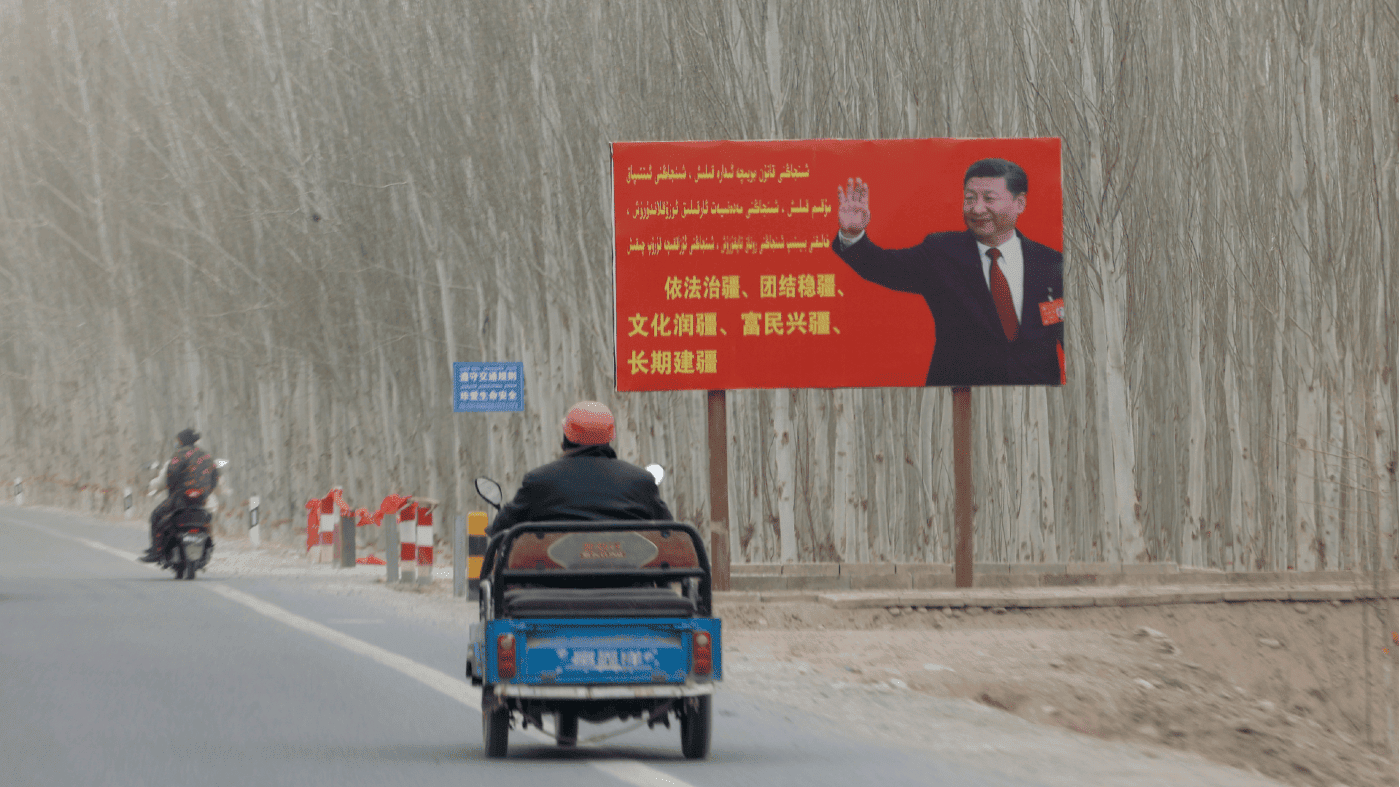
Beijing has also used isolation as a tool. The Uyghur region has become one of the world's most sophisticated surveillance environments, making normal communication across borders nearly impossible. Research from the Uyghur Human Rights Project shows that Uyghur families are prevented from normal communications both directly, through intimidation and monitored calls, and indirectly, through fear of reprisals for attempting to maintain contact. Even family visits can become instruments of control. The Uyghur Transitional Justice Database found that returning overseas Uyghurs were interrogated by police before being allowed to visit relatives and were incentivized to provide information on ideologically "misaligned" Uyghurs abroad. Similarly, Human Rights Watch recently found that overseas Uyghurs were compelled by Chinese agents to gather information about Uyghur language schools in the diaspora.
In effect, China is turning family ties into leverage. The dismantling of the camps does not mean the end of repression. It has become more diffuse, more legally disguised, and harder for the world to see. The Chinese government wants to convince the world that speaking up is useless. It is not. Hoja learned years later that the 2018 urgent action campaign helped ensure her family received extra milk and eggs while in the camps. Actions taken now can have similarly profound ripple effects.
But facing an authoritarian superpower, Uyghurs cannot achieve justice alone. Uyghur friends repeatedly emphasize commonsense points of action for the international community: vigorously tackling transnational repression, demanding the release of unjustly imprisoned Uyghurs such as entrepreneur Ekpar Asat and retired physician Gulshan Abbas, ensuring American allies enact forced labor import bans based on the U.S. model, and holding the Chinese government accountable for its crimes against humanity. None of this is easy, but silence will ensure that repression wins out.