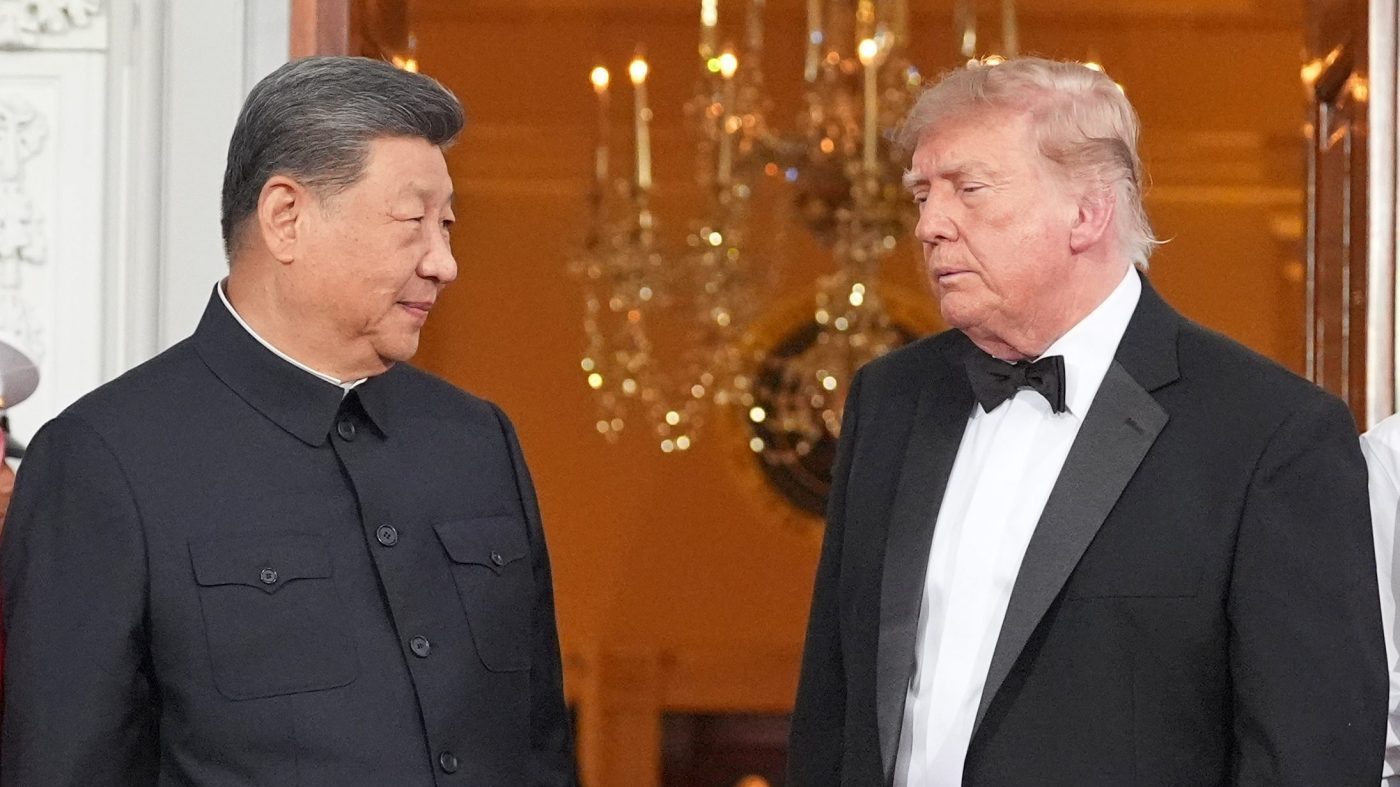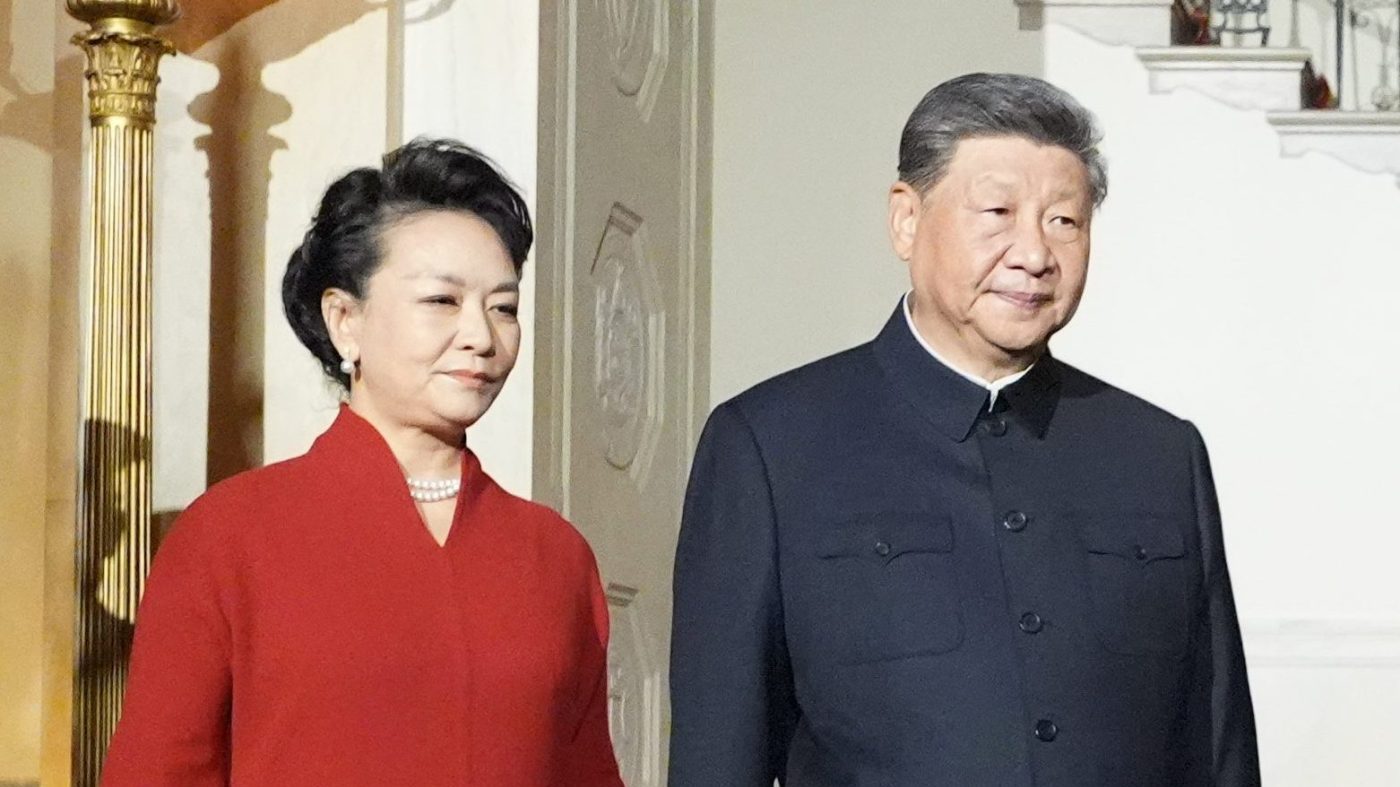
President Xi Jinping will wrap up his first state visit to the United States in over a decade on Friday with a joint appearance at the National Archives with President Trump. The venue, which safeguards America's founding documents—the Declaration of Independence, the Constitution, and the Bill of Rights—also hosts an exhibit titled "The American Story" marking the nation's 250th anniversary. That display includes state gifts from foreign leaders, George Washington's annotated draft of the Constitution, and declassified Cuban Missile Crisis records.
Before the archives visit, Xi and his wife, Peng Liyuan, are scheduled to have tea at the White House with the Trumps. The day's itinerary follows a busy Thursday evening, during which Trump hosted a state dinner dominated by technology executives—a guest list that drew attention given the ongoing tensions over AI policy. Trump also gave Xi a personal tour of recent White House renovations, including a granite landing pad for Marine One and his ballroom construction project, as reported by our earlier coverage.
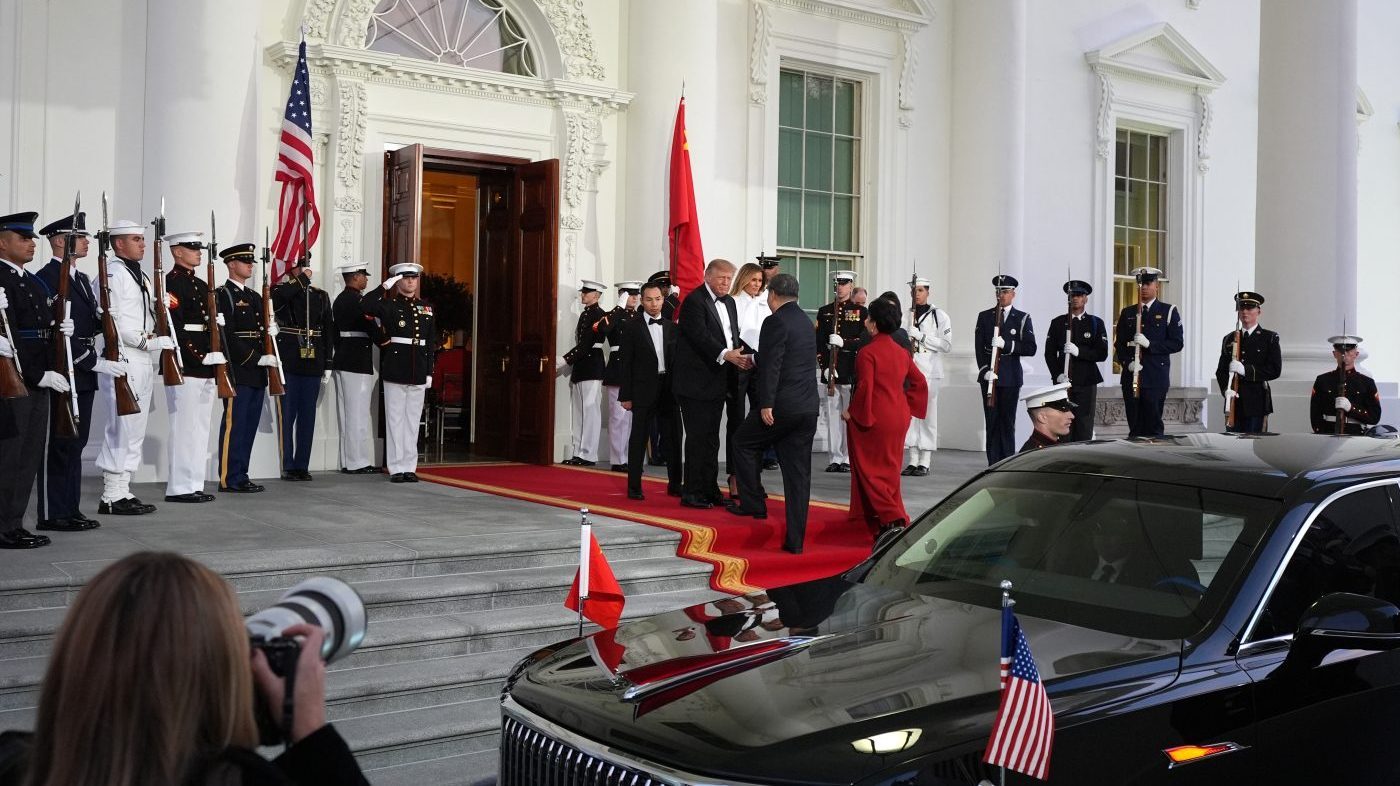
In their private Oval Office meeting on Thursday, the two leaders discussed the Middle East, Ukraine, and the Korean Peninsula, according to a Chinese government readout. The White House has not released its own account, but Trump took to Truth Social on Friday to call the meeting "very productive." He added that Xi, like most others, seemed to favor renaming artificial intelligence as "SUPER INTELLIGENCE"—a term Trump has pushed despite widespread concerns about the technology's risks. That terminology has already prompted a State Department directive to replace "AI" with "super intelligence" in official communications, a move that has puzzled many experts.
The visit has not been without friction. China has repeatedly urged the U.S. to cancel a $14 billion arms sale to Taiwan, which Beijing regards as its territory. Trump delayed that sale after his May summit with Xi, describing it as a "very good negotiating chip." The issue remains unresolved, and Taiwan is likely to be a sticking point in future talks.
On the technology front, Democratic lawmakers have been pressing the president to impose guardrails on AI development and restrict supplies to China, but Trump has dismissed those concerns. His Truth Social post on Friday reiterated his enthusiasm for renaming the field, writing, "Like almost everyone else, he seemed to like calling the poorly and inaccurately named Artificial Intelligence to a far more accurate and important name, SUPER INTELLIGENCE. That would be 'SUPER!' Everyone last night agreed, also."
The visit also saw some media coverage quirks, with several networks boycotting the White House pool during parts of the trip, though CNN and others returned for the Xi events. Trump accused CNN and MSNBC of skipping coverage, adding another layer of political theater to the proceedings.
As Xi departs, both leaders will likely claim the visit as a success, but the underlying disputes over Taiwan, trade, and technology remain unresolved. The National Archives stop, with its symbolism of American democracy, may be a photo opportunity, but the real negotiations are far from over.