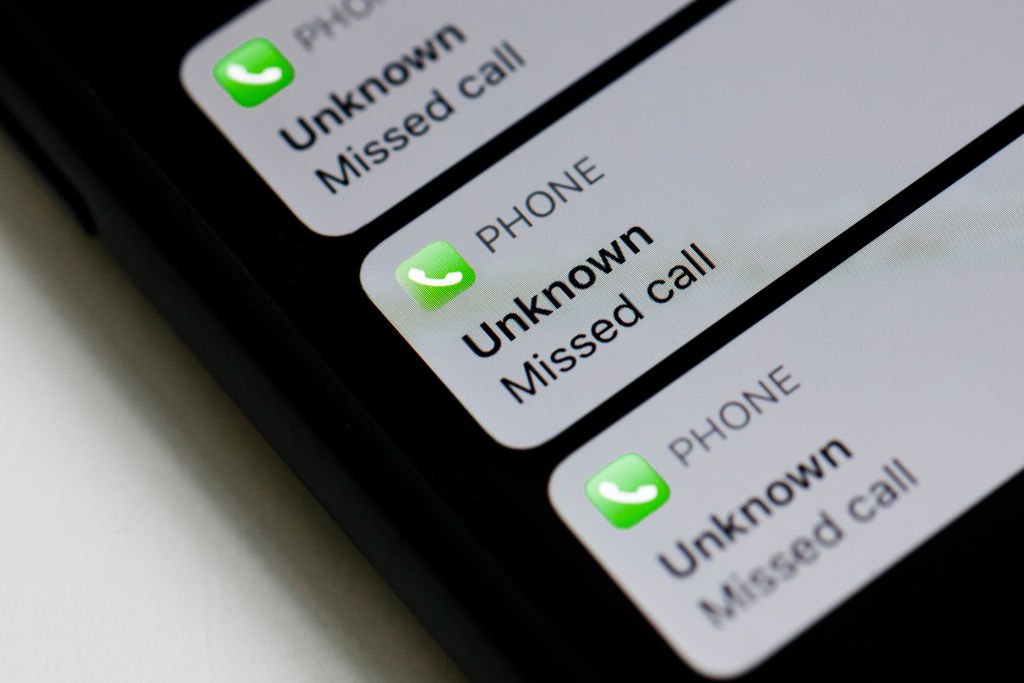
If your phone has been buzzing with unfamiliar numbers, you're not alone. Americans were hit with an estimated 4.4 billion robocalls in July, marking the highest monthly volume in a year, according to data from the call-blocking service YouMail.
The surge follows a low point in October 2025, but recent months have seen a steady climb. Telemarketing and outright scams accounted for the bulk of the calls, with pre-approved loan offers being the most common pitch. YouMail warned that these offers, which dangle massive personal loans with low monthly payments, are likely illegal telemarketing at scale and probably scams.
“As with similar campaigns, this appears to be at a minimum, illegal telemarketing at scale. Based on consumer reports and the behavior of the calls, it's likely to be a scam,” YouMail said in its July report.
The increase was felt nationwide, but some regions were hit harder than others. Area codes in Texas, Georgia, and Indiana experienced the sharpest month-over-month jumps. Houston's 346 area code saw a 19% rise, followed by Atlanta's 470 and Albany, Georgia's 229, both up 13%. Indianapolis's 765 and 317 codes, along with Evansville's 812, also saw significant increases.
Despite the Federal Communications Commission's efforts to curb robocalls in recent years, scammers are still finding ways to slip through. YouMail CEO Alex Quilici said the fraudsters are likely gaining access to telephone networks through carriers that profit from illegal traffic. “There are more barriers to that now, but it doesn't take a lot of bad actors to generate meaningful volumes,” he told Nexstar.
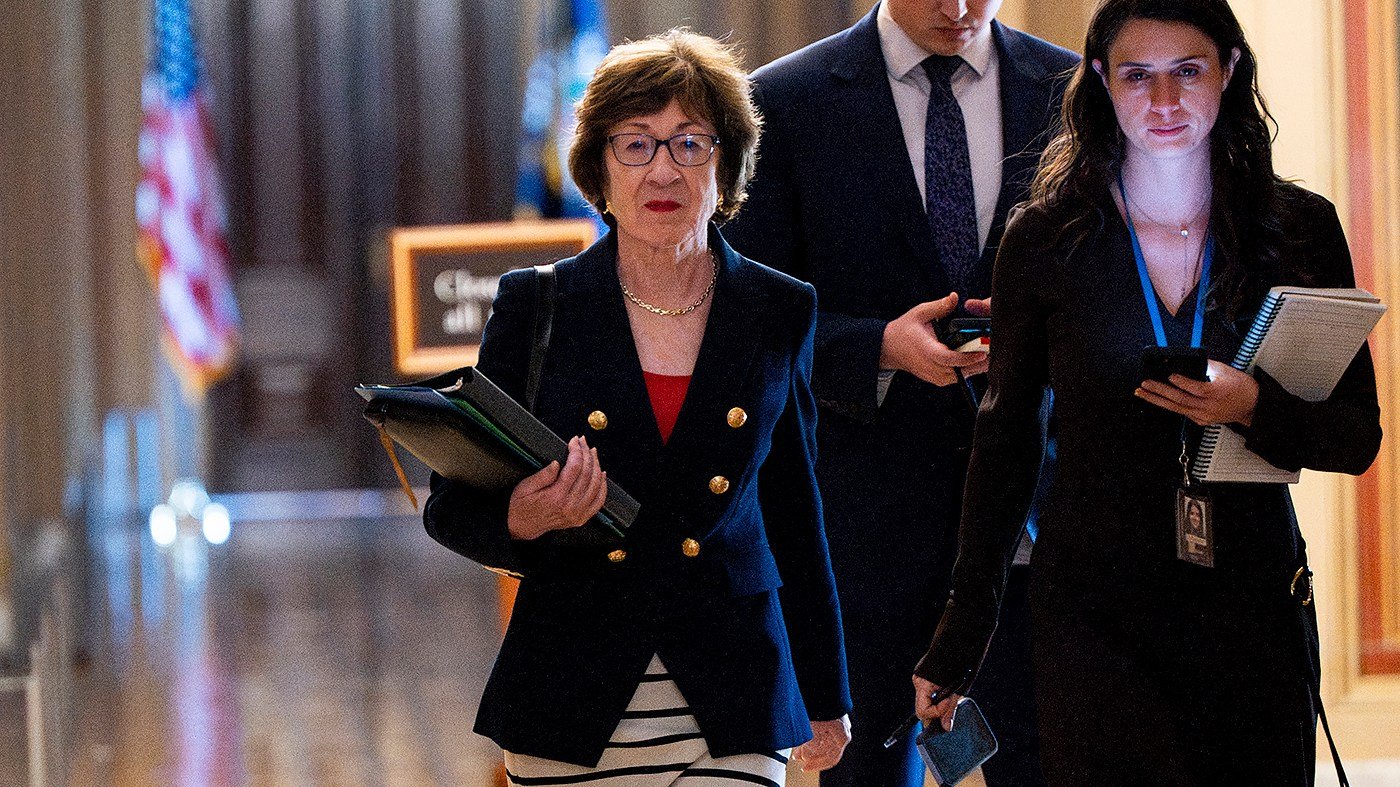
The issue has drawn attention in Washington. A bill passed by the Senate aims to crack down on international robocalls. Senator Peter Welch (D-Vt.), a cosponsor, said in a press release that “folks in red and blue states alike are sick and tired of picking up the phone and wondering if they're being scammed.”
While the national Do Not Call Registry can reduce some telemarketing calls, it doesn't stop everyone. Experts advise letting unknown calls go to voicemail and, if you need to reach your bank, utility, or insurer, always use the number on your card or latest statement.
The spike in robocalls comes amid broader concerns about phone-based scams, as highlighted by recent FTC and FBI warnings about jury duty scams. For those worried about privacy, the Supreme Court's recent cellphone ruling offers some protections, but robocalls remain a persistent nuisance.