With President Trump's approval rating mired at a historically low 34 percent, Democrats should be riding a wave of momentum into the midterms. Instead, the party's establishment wing is pouring tens of millions of dollars into attack ads—aimed squarely at their own left flank.
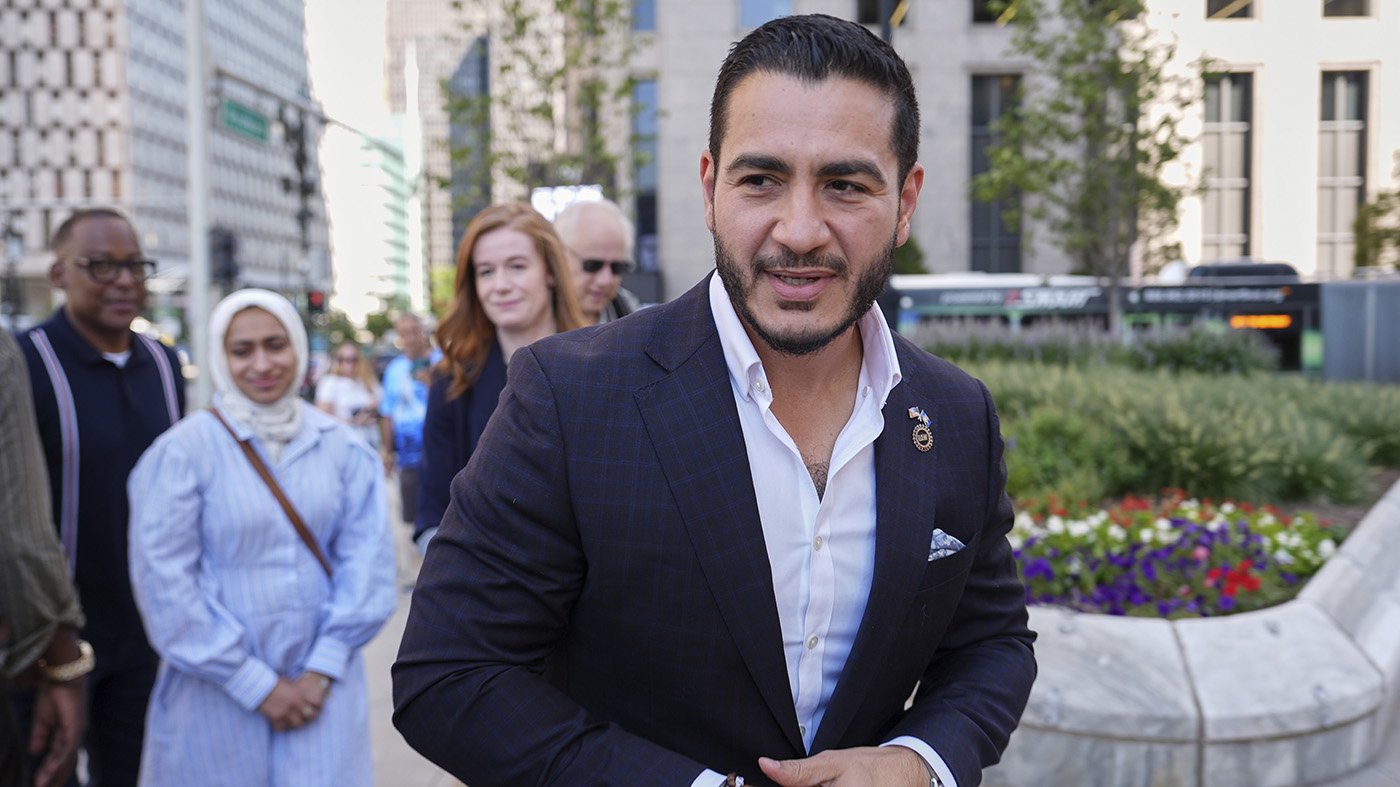
Jonathan Cowan, president of the centrist group Third Way, told the New York Times last week that his organization would spend $15 million to counter the rise of "democratic socialism." Yet when pressed to define the term, establishment figures like Cowan typically dodge, pointing instead to candidates such as Michigan Senate hopeful Dr. Abdul El-Sayed—who isn't even a democratic socialist—or New York City Mayor Zohran Mamdani, who is.
The reluctance to engage on substance is telling. Defining democratic socialism would force centrists to publicly oppose kitchen-table economic policies that most Democratic voters support. Those policies have become so popular that a third of the party's base now self-identifies as democratic socialists. For groups that champion "popularism," opposing the party's leftward drift is a remarkably unpopular stance.
So instead of debating policy, Third Way and its allies have resorted to demonizing individuals. That strategy, however, is failing spectacularly. El-Sayed emerged from his bruising primary victorious despite being outspent nine-to-one and facing a barrage of sensationalist attack ads. Mamdani toppled the Cuomo political dynasty despite ads that trafficked in disgraceful anti-Muslim rhetoric.
The real lesson from these races is that the establishment keeps framing contests as progressive-versus-centrist, when voters see them as outsider-versus-establishment. Progressives have won by keeping their messaging laser-focused on affordability and jobs, while centrist opponents spiraled into conspiracy theories.
Today's progressives are not the cringey culture warriors of the pandemic years. As David C. Barker of the Brookings Institution notes, the new economy-and-jobs-focused progressives "strike swing voters as anything but radical, dissolving the so-called trade-off between candidates who excite the base and those who have crossover appeal." Candidates like El-Sayed are making economic inequality the centerpiece of their campaigns, sounding more like Texas state Rep. James Talarico—a popular Senate candidate who is the farthest thing from a democratic socialist—than out-of-touch academics.
No matter how many millions Beltway groups spend, voters simply don't buy the extremist caricature. Barker argues that after years of Democrats courting Silicon Valley dollars and drifting from their working-class roots, voters now judge candidates on whether they "maintain their working-class bona fides under scrutiny." Progressives, and even democratic socialists like Mamdani, are winning because, as New York Times columnist Tressie McMillan Cottom put it, "they listen to people" rather than telling frustrated voters they care too much about the wrong issues.
The outsiders who claim the progressive mantle aren't popular because of their label. They're popular because they talk honestly about thorny policy issues instead of making excuses for why change can't happen. Meanwhile, centrists remain paralyzed by incrementalism, perpetually waiting for the perfect political math or a cost-free moment to act.
Struggling Americans are tired of waiting. They want action now—and they aren't finding it in the center. The internal battle for the Democratic Party's soul is far from over, but the early returns suggest that voters are siding with those who offer bold solutions, not cautious hedging. As the Wisconsin primaries and other races this cycle show, the establishment's strategy of attacking the left is not just failing—it's alienating the very voters Democrats need to win back.