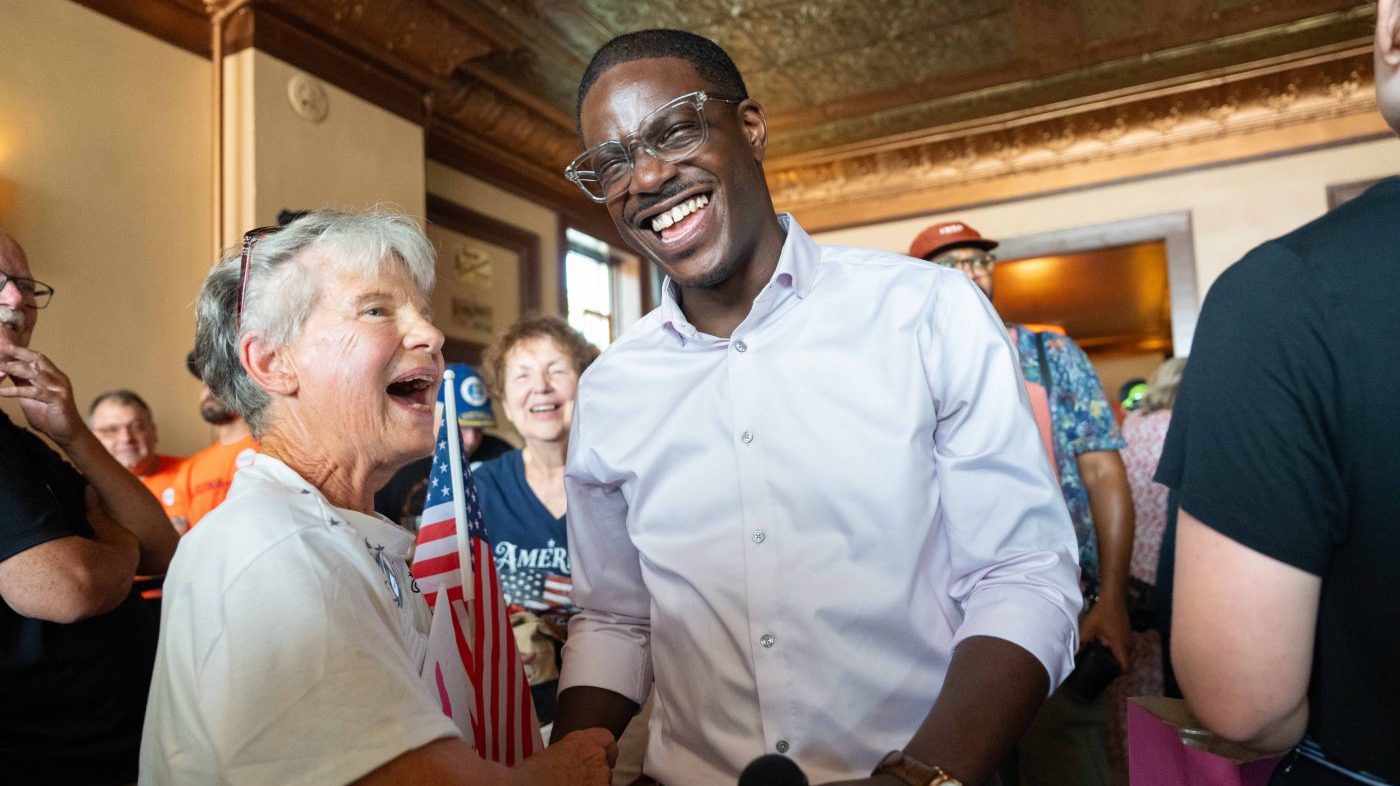
MILWAUKEE — The Democratic primary for Wisconsin governor remained unresolved early Wednesday, with Milwaukee County Executive David Crowley holding a razor-thin lead over democratic socialist state Rep. Francesca Hong. The race, one of the most closely watched contests of the night, has become a referendum on the party's ideological direction, with Crowley's establishment backing and Hong's progressive surge leaving the outcome in doubt.
With more than 95% of the vote counted, Crowley led by just under 3,000 votes as of 1:30 a.m. EDT, according to Decision Desk HQ. The narrow margin stands in stark contrast to pre-election polls that had suggested Hong held a comfortable double-digit lead, signaling that Democratic voters are far more divided than surveys indicated.
The Wisconsin contest is the latest in a series of primaries testing the party's future, coming just a week after progressive Abdul El-Sayed defeated moderate Rep. Haley Stevens in Michigan's Senate primary. That victory, along with progressive wins in Minnesota and elsewhere, had suggested a leftward shift. But Crowley's strong showing in Wisconsin could serve as a counterweight, demonstrating that the party's establishment wing still holds significant sway.
Progressives claim Minnesota, but Wisconsin remains a cliffhanger
While Wisconsin's race is too close to call, progressives scored a decisive win in Minnesota, where Lt. Gov. Peggy Flanagan defeated centrist Rep. Angie Craig for the Democratic Senate nomination. Flanagan's victory, which was closely watched as a proxy for the party's direction, adds to a string of left-wing successes, including El-Sayed's win and several upsets in House primaries in Michigan, New York, and Colorado.
Senate Minority Leader Chuck Schumer and Sen. Kirsten Gillibrand, who chairs the Senate Democrats' campaign arm, quickly endorsed Flanagan, praising her as a "powerful advocate for working people." They also took aim at Republican nominee Michele Tafoya, a former NFL sideline reporter, calling her a "wealthy Republican activist" and highlighting her past comments about gas prices.
Flanagan's campaign was dominated by two issues: Minnesota's $250 million social welfare fraud scandal, which Republicans and Craig used to attack her as part of the Walz administration, and immigration. Flanagan hit Craig for voting for the Laken Riley Act, which allows federal detention of certain immigrants accused of crimes, an issue elevated by recent ICE-involved shootings.
Trump's mixed record in South Carolina and elsewhere
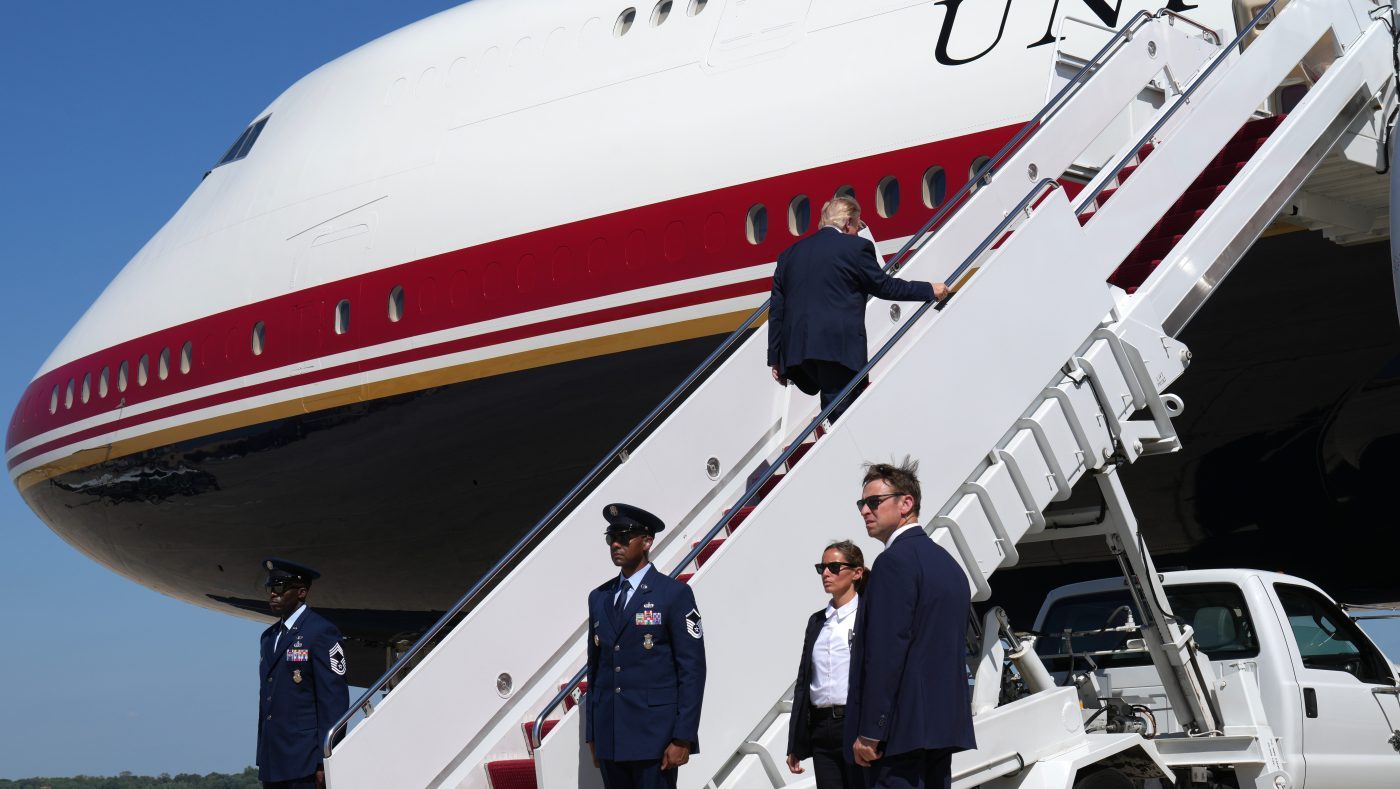
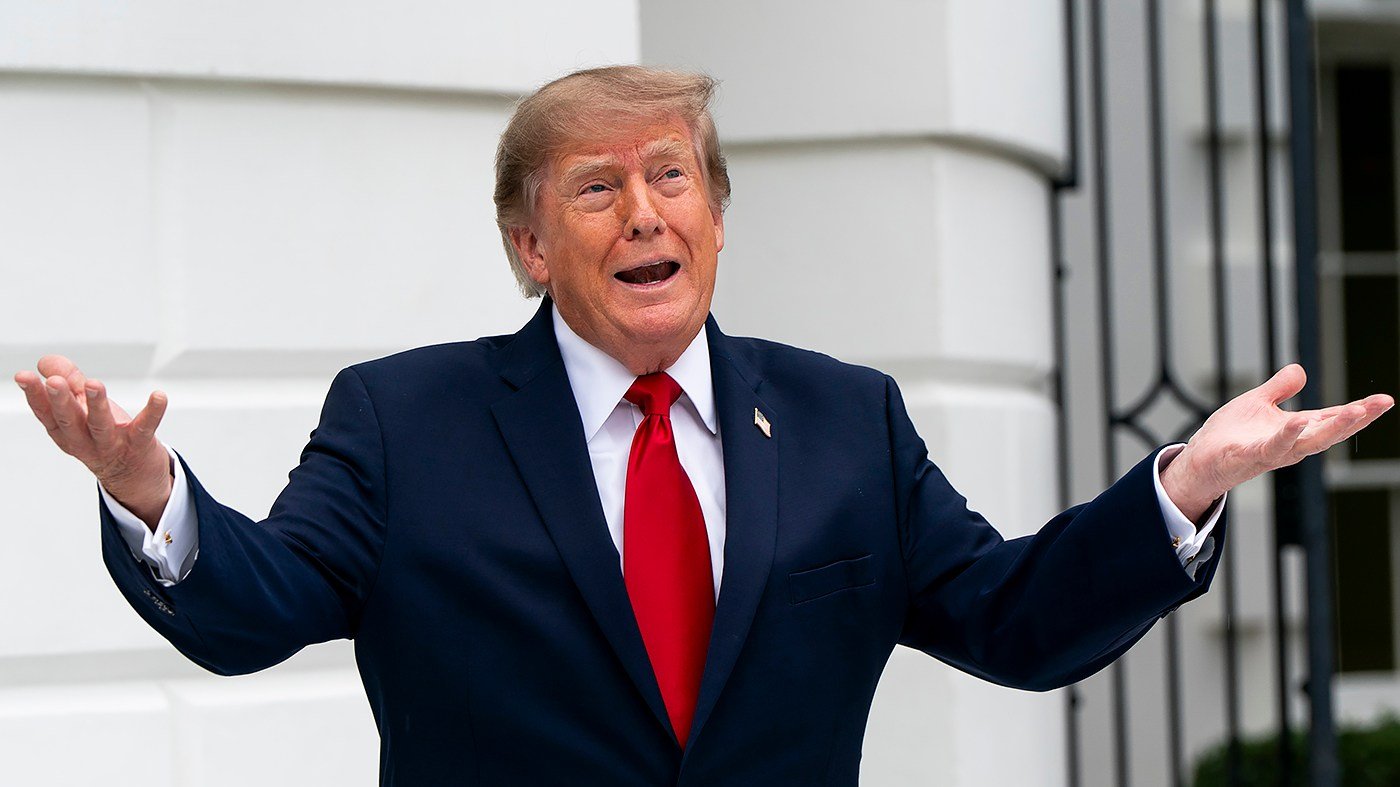
In South Carolina, the GOP primary to fill the late Sen. Lindsey Graham's seat saw Sen. Darline Graham advance to an Aug. 25 runoff, but the results highlighted President Trump's uneven endorsement record. While some of his picks won, others, including his Minnesota gubernatorial choice, lost, underscoring the limits of his influence in contested races.
The night also featured notable upsets, including Connecticut Rep. John Larson's loss to challenger Bronin, a defeat that reflects the party's ongoing generational debate. In Wisconsin's 3rd District, a competitive rematch between Van Orden and Cooke was set, while Alfonso clinched the GOP nod in the 7th District.
As the counting continues in Wisconsin, both Crowley and Hong have expressed confidence, but the outcome may hinge on the votes still being tallied. The result will not only determine the Democratic nominee but also offer a crucial signal about whether the party's progressive wing can maintain its momentum or whether moderates are pushing back.