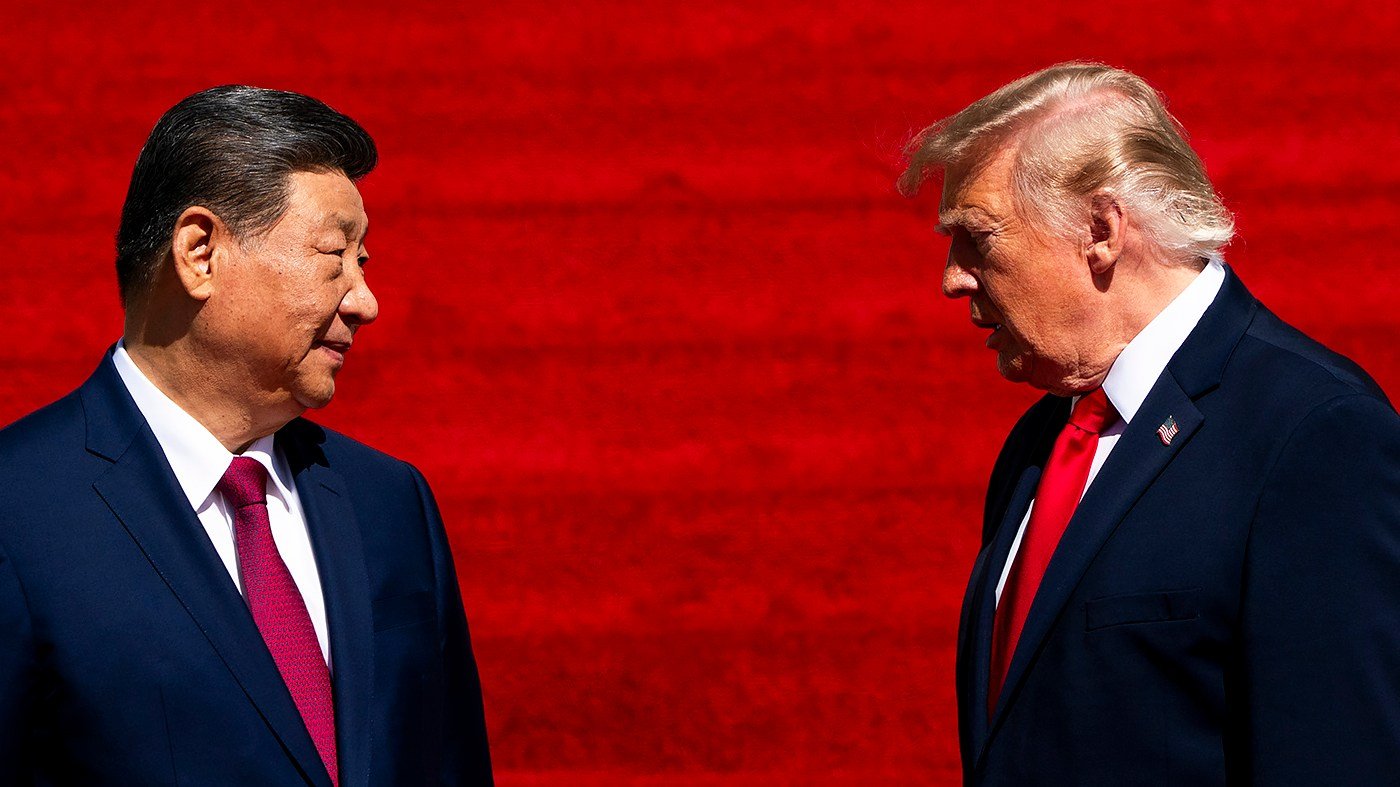
Nearly nine months into President Trump's ambitious push to reshape Gaza, his administration is facing a growing list of obstacles, with the latest setback coming from Israeli Prime Minister Benjamin Netanyahu. On Sunday, Netanyahu publicly dismissed the White House's 15-point plan that would require Hamas to surrender its weapons in exchange for an Israeli military withdrawal.
"Israel does not accept the 15-point document," Netanyahu said at the start of a cabinet meeting. "The IDF will not carry out any withdrawal until Hamas is genuinely disarmed, and it will continue to thwart threats against our forces and citizens."

The prime minister's hardline stance is widely seen as a response to domestic political pressures, with elections scheduled for late October. Trump, however, sought to downplay the rift, telling reporters on Monday that his relationship with Netanyahu remains "very good."
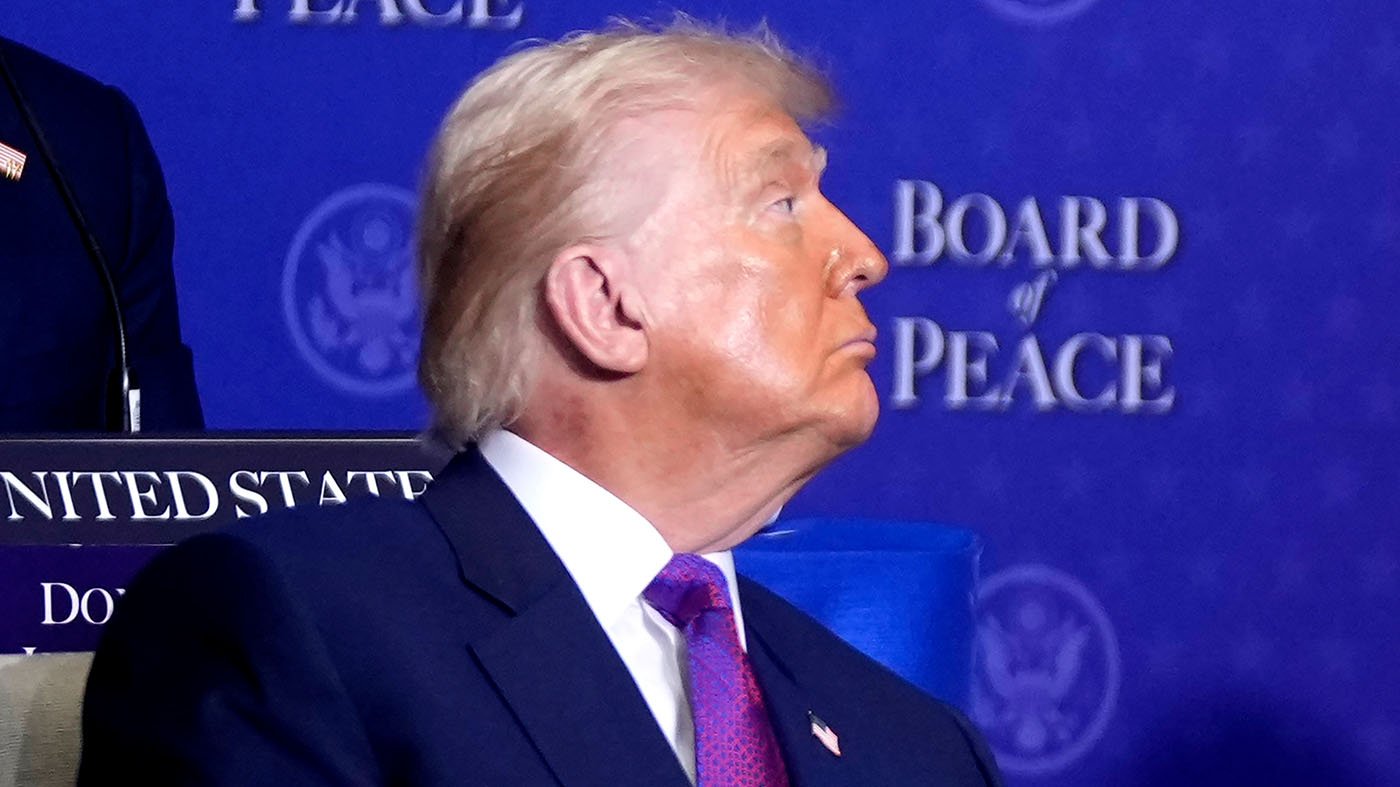
Despite the public friction, a Board of Peace official insisted that the disarmament roadmap is still moving forward. "The process is based on verification on the ground and phased, reciprocal commitments," the official said. "Discussions with Israel are continuing, and the framework is designed so that each stage only moves forward once the required commitments have been met."
The official added that communication with Israel remains "excellent" and that cooperation on key elements of the plan is effective.
Experts split on prospects
Analysts are sharply divided over whether the plan can succeed. Steven Cook, a senior fellow at the Council on Foreign Relations, expressed deep skepticism, noting that aside from the exchange of hostages and Palestinian prisoners, little meaningful progress has been made. "I don't think any real progress has been made, other than the fact that hostages are back and Israelis agreed to release Palestinian prisoners in exchange," he said.
Dan Rothem, a senior policy analyst at the Israel Policy Forum, offered a more nuanced view. While not optimistic, he gave the roadmap "pretty good grades" for its attention to the complex challenges on the ground. He cautioned that disarmament, demilitarization, and reintegration (DDR) efforts are inherently difficult and often fail, with full implementation typically taking years, sometimes up to a decade.
The plan and its hurdles
The disarmament of Hamas was always expected to be the most contentious element of Trump's broader 20-point peace plan, which was agreed in November 2025 and endorsed by the UN Security Council through 2027. Under the plan, Hamas's surrender of weapons would pave the way for an International Stabilization Force to enter Gaza, while a newly trained Palestinian police force would handle internal security. The National Committee for the Administration of Gaza (NCAG), a non-partisan Palestinian body, is slated to take over governance.
However, the NCAG remains based in Egypt with no immediate plans to enter the Strip. While 5,000 Palestinian police recruits completed vetting last month, they still face weeks or months of training before deployment. Israel has also approved a limited deployment of 200 troops with the International Stabilization Force along the borders of a pilot humanitarian zone in Rafah, but it has simultaneously expanded its territorial control in Gaza, squeezing Palestinians into smaller areas and raising questions about the extent of any Israeli withdrawal.
Cook highlighted the fundamental lack of trust between the two sides. "We have no trust between two combatants who believe they're locked in existential struggle," he said. "As long as they don't have a real, genuine desire to implement it, it's not going to be implemented."
Yousef Munayyer, head of the Palestine/Israel Program at the Arab Center Washington D.C., argued that more pressure should be applied on Israel. "One of the many problems with the Board of Peace is that the interests of these entities do not seem to be the interests of the people on the ground in Gaza," he said. "It seems to be about Israeli security, and it seems to be about the margins for somebody. And I think that's incredibly dangerous."
Hamas's motives and leadership change
Hamas's acceptance of the disarmament plan, contrasted with Israel's rejection, has led some analysts to suggest that Hamas is deliberately framing Netanyahu as the obstacle. But other factors are at play, including the group's weakened military position, loss of political legitimacy in Gaza, and economic hardships.
The recent election of Khalil al-Hayya as Hamas's new leader—the first permanent head since Israel killed Yahya Sinwar in October 2024—adds another layer of uncertainty. Sinwar was the architect of the October 7, 2023 attack that triggered the devastating war.
Cook remains deeply skeptical that Hamas will follow through on its disarmament pledge. "It defies everything I know about Hamas because basically this agreement asks Hamas not to be Hamas," he said, referencing the group's founding charter commitment to armed resistance.
As the clock ticks toward the UN's 2027 deadline, the path forward remains fraught. The upcoming Israeli elections and the ongoing distrust between the parties could further complicate Trump's vision for Gaza, leaving the Board of Peace's roadmap in a precarious position.