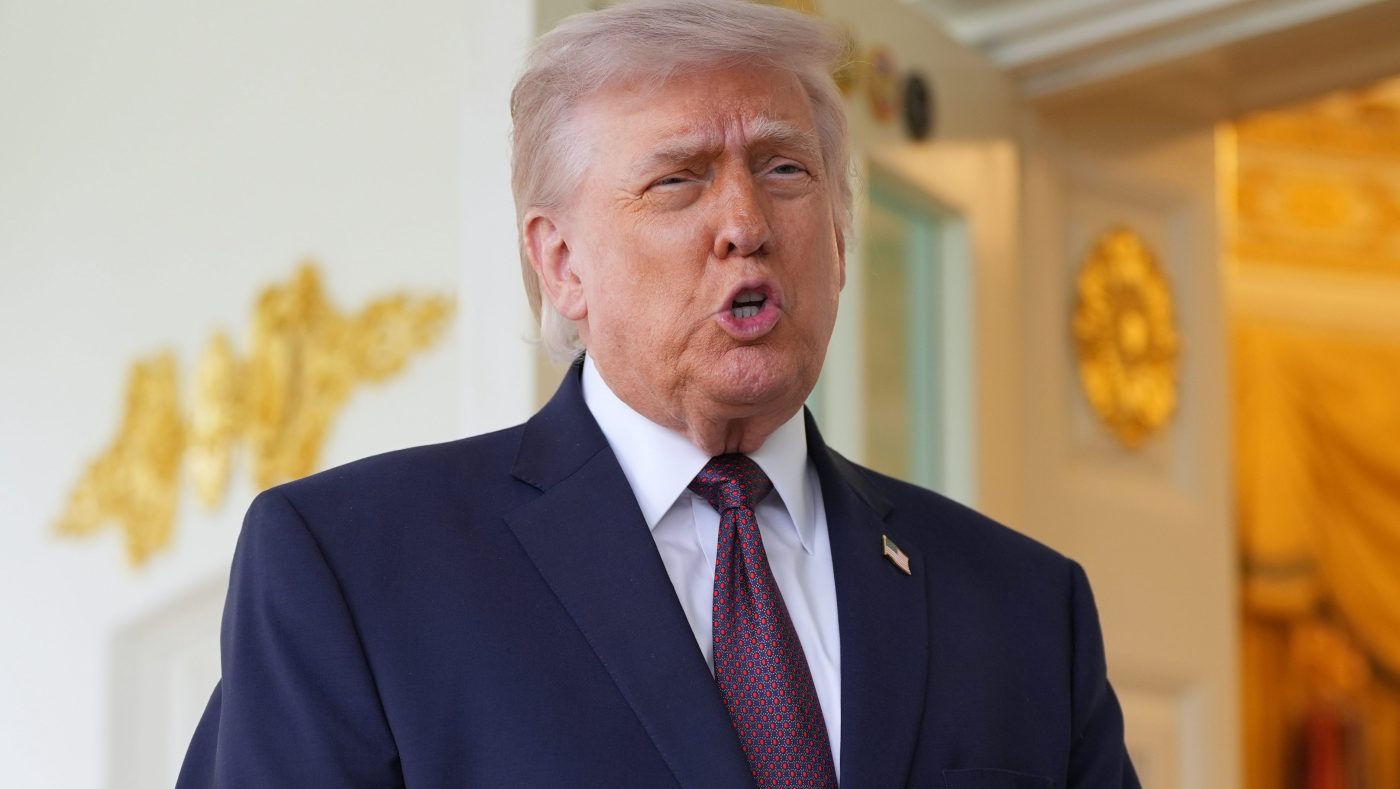
President Donald Trump stated on Tuesday that diplomatic negotiations with Iran are ongoing but progressing at a sluggish pace, marking the administration's renewed effort to secure a comprehensive agreement with Tehran. In comments to the New York Post, Trump characterized the process as "happening" but noted it was moving "a little bit slow."
The President suggested a subsequent round of discussions could convene within days, potentially returning to Islamabad. He praised Pakistani Field Marshal Gen. Asim Munir, citing his performance during the initial talks as a reason to continue using Pakistan as a venue. "We're more inclined to go to Islamabad... because the field marshal is doing a great job," Trump said, questioning the logic of meeting elsewhere. "Why should we go to some country that has nothing to do with it?"
Substantive But Inconclusive First Round
The first round of talks in Pakistan, which included Vice President J.D. Vance, special envoy Steve Witkoff, and senior advisor Jared Kushner, lasted approximately 21 hours. While Vance described the discussions as "substantive," he acknowledged they yielded no concrete agreement. "The bad news is that we have not reached an agreement, and I think that's bad news for Iran much more than it's bad news for the United States of America," Vance stated. He identified the core impasse as Iran's refusal to formally commit to forswearing nuclear weapons or acquiring the capabilities to rapidly develop one.
Trump directly contradicted reports that the U.S. had proposed a 20-year suspension of Iran's uranium enrichment program. "I've been saying they can't have nuclear weapons, so I don't like the 20 years," he asserted, reaffirming his administration's maximum-pressure stance on Tehran's nuclear ambitions.
Military Pressure and Regional Spillover
Concurrent with the diplomacy, the Trump administration has escalated military pressure, ordering the U.S. Navy to establish a blockade of the Strait of Hormuz. Analysts view this as a coercive measure designed to force Iranian concessions at the negotiating table. A former Biden security official recently suggested such a move could hold tactical diplomatic value, though critics warn it risks broader escalation.
The regional context remains volatile. Secretary of State Marco Rubio is separately hosting Israeli and Lebanese officials for talks aimed at halting cross-border hostilities and addressing the disarmament of Hezbollah, a militant group backed by Iran. These talks, detailed in our coverage of Rubio's mediation efforts, occur as continued Israeli strikes in Lebanon threaten the fragile two-week U.S.-Iran ceasefire. The parties disagree on whether Lebanon was included in the original ceasefire terms.
A White House official, seeking to temper expectations, noted that "future talks are under discussion, but nothing has been scheduled at this time." This diplomatic push occurs alongside other contentious foreign policy moves from the administration, including Trump's escalating feud with UK Prime Minister Keir Starmer over Iran policy and North Sea energy.
The slow progress and mixed signals from the White House underscore the challenges in navigating a final deal. Observers note that Trump's unpredictable rhetoric on Iran continues to test GOP unity and poses risks to global stability. The administration's approach combines high-stakes diplomacy with direct military and economic pressure, a strategy with uncertain prospects for success as regional conflicts threaten to derail the entire process.