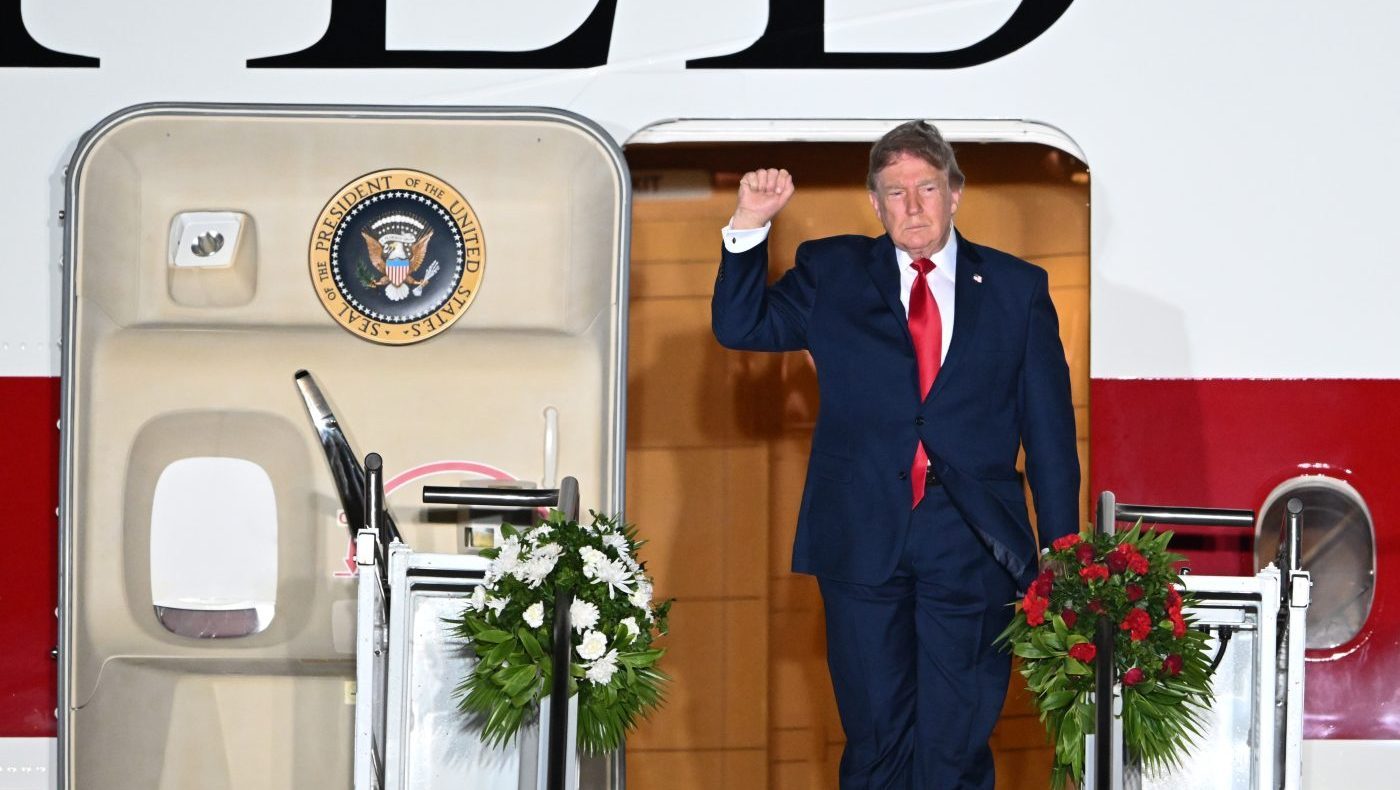
President Trump's arrival in Manila on Tuesday was met not with the traditional strains of “Hail to the Chief,” but with a disco rendition of the Village People’s “YMCA.” The choice, a nod to Trump’s well-known fondness for the song, set an oddly unserious tone for a trip that was supposed to project American strength. Instead, it underscored the improvisational and often chaotic nature of this administration’s foreign policy.
The president’s five-day swing through Asia comes at a particularly fraught moment. At home, the administration is still grappling with the fallout from a series of cyber outages that grounded thousands of flights and disrupted major financial institutions. The president’s decision to travel abroad has allowed him to sidestep direct questioning about the ongoing crisis, but his offhand remarks have only added to the confusion. Asked about the disruptions, Trump dismissed them with a shrug, suggesting that “when you’re big and powerful” such incidents are inevitable. His comments, which hinted at foreign cyberattacks, directly contradicted the explanations offered by Homeland Security Secretary Markwayne Mullin and Transportation Secretary Sean Duffy, who have blamed faulty equipment and construction mishaps.
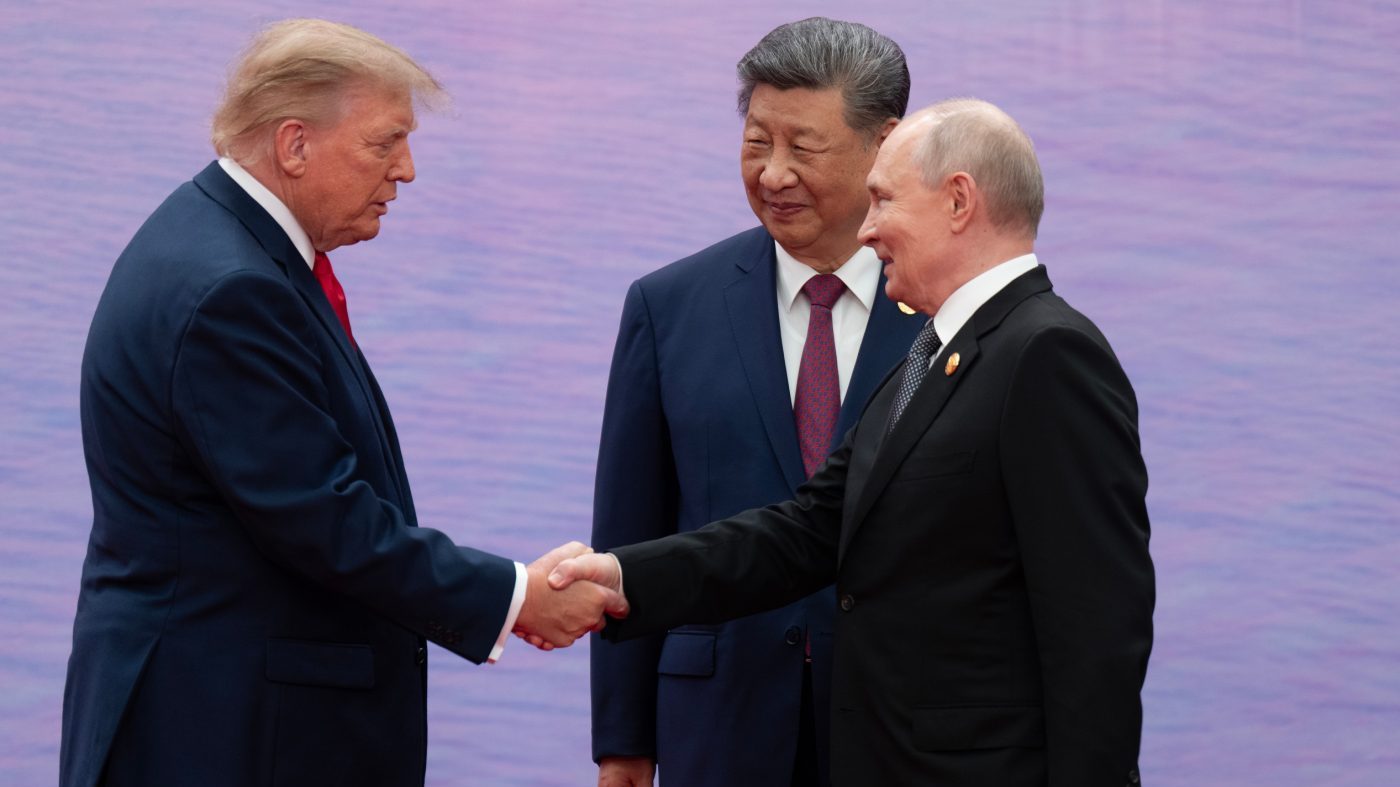
The disconnect between the president’s public statements and his cabinet’s official narrative is a recurring theme. It raises serious questions about the administration’s credibility, especially when it comes to national security. As Trump prepares to meet with Chinese President Xi Jinping and Russian President Vladimir Putin, his ability to negotiate from a position of strength is undermined by the perception that his own team is not on the same page.
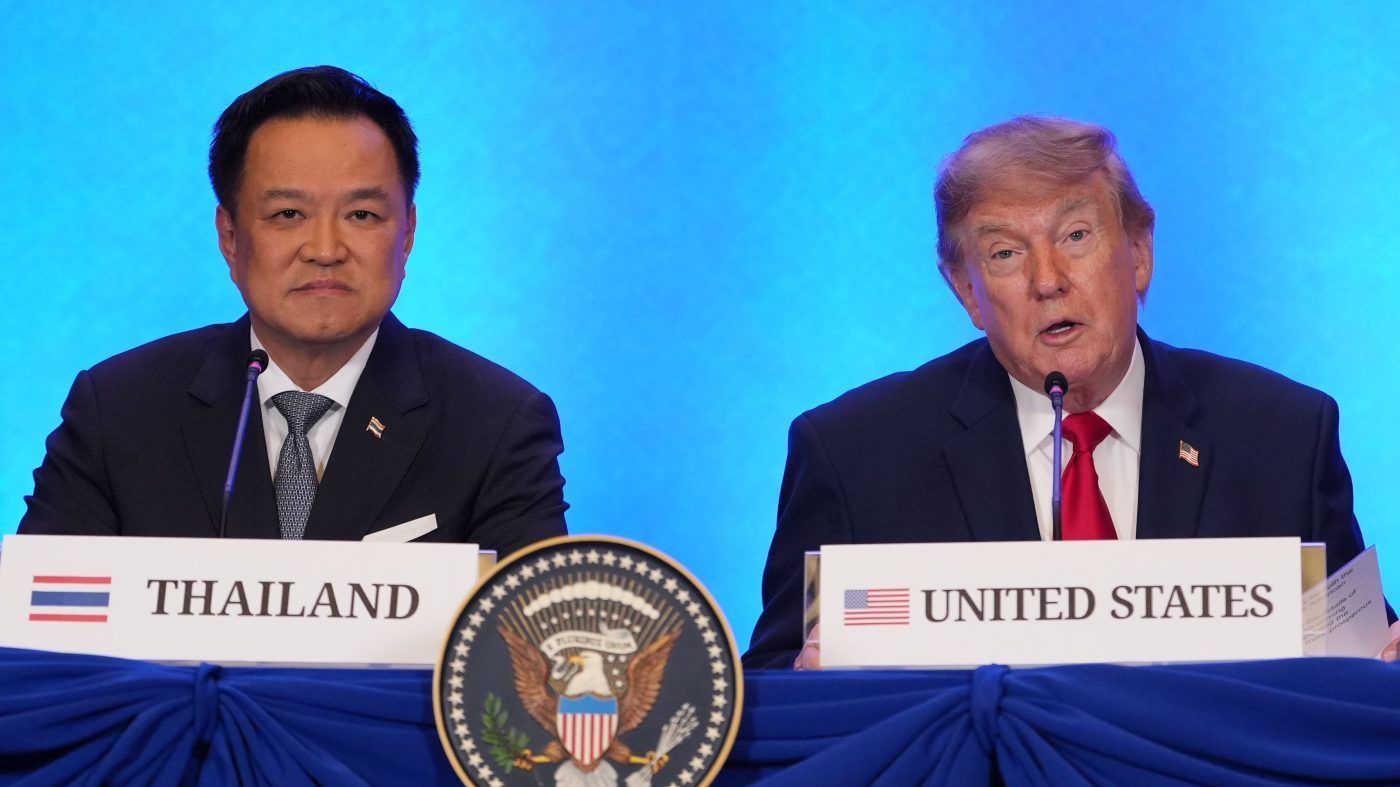
The trip has also been marked by a series of diplomatic stumbles. A planned trade deal signing with Thailand was abruptly scrapped after Thai officials made clear that no final agreement existed. Instead, Trump and Thai Prime Minister Anutin Charnvirakul signed a vague “joint statement” that merely promised future talks. It was a hollow gesture, reminiscent of Trump’s tendency to announce deals that never materialize.
More concerning, however, is the internal discord over China policy. Reports have emerged that Commerce Secretary Howard Lutnick resisted efforts to restrict a Singapore-based firm from purchasing advanced AI chips from Nvidia, a move that Treasury Secretary Scott Bessent believes allowed sensitive technology to reach China. The dispute has left the administration paralyzed, with Trump himself appearing uncertain about how to proceed. In remarks before his departure, he acknowledged the delicate balance, warning that aggressive action could “blow up” relations with Beijing.
This is not the first time Trump has entered a high-stakes summit without a clear strategy. His September meeting with Xi produced little more than a photo opportunity, and critics argue it emboldened the Chinese leader. Now, with the added complexity of a trilateral meeting with Putin, the stakes are even higher. The outcome could shape the future of Ukraine and the global balance of power, yet Trump arrives with a weakened hand and a divided team.
As Trump jets across Asia, the contrast between the pomp of his welcome and the reality of his diplomatic challenges could not be starker. The president may be enjoying the escape from Washington, but the problems he left behind—and the ones he is creating abroad—are not going away.