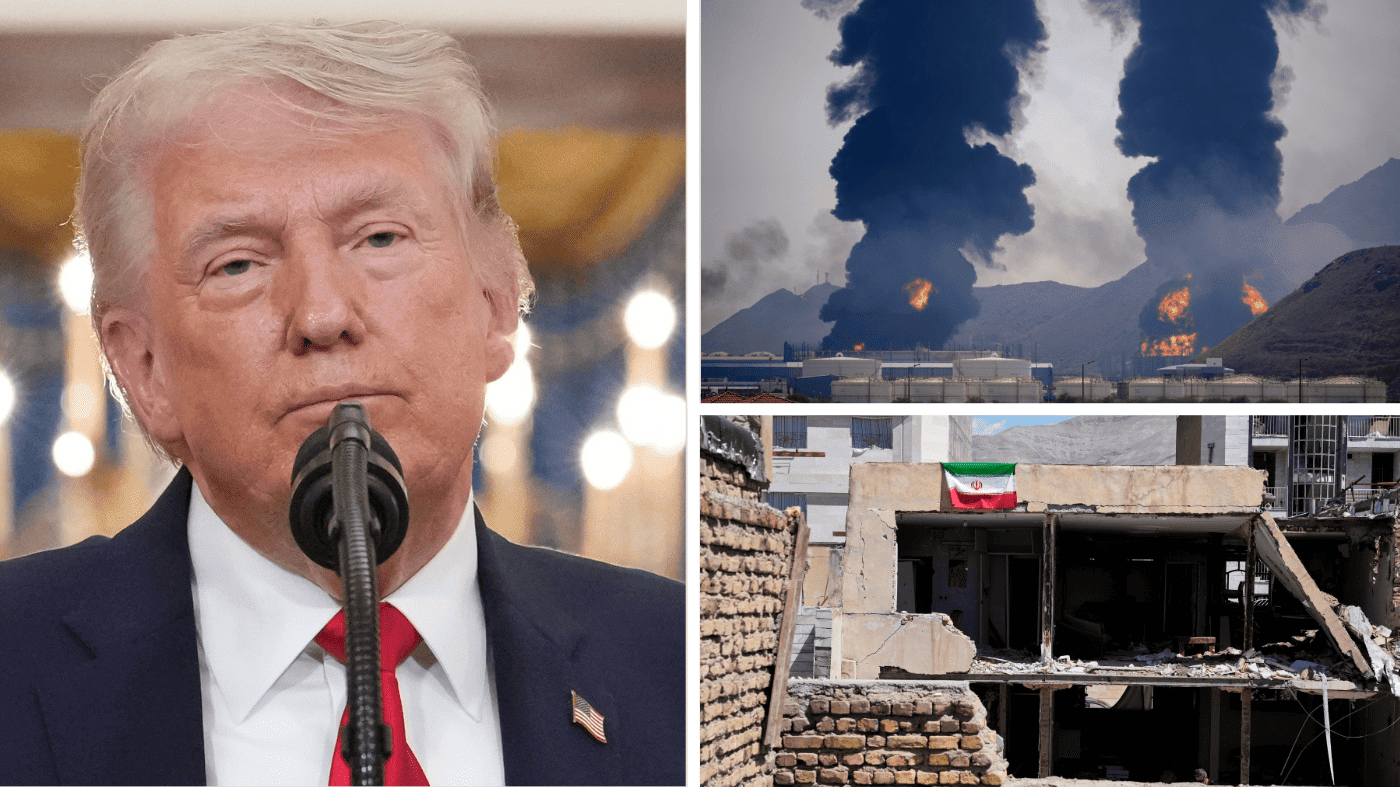
President Trump intensified his rhetoric against Iran on Saturday, issuing a stark 48-hour ultimatum that promised severe consequences if Tehran fails to reopen the critical Strait of Hormuz by a Monday deadline. The threat comes amid ongoing U.S. military operations that have suffered recent visible setbacks, complicating administration claims of battlefield dominance.
Military Setbacks Challenge Official Narrative
The renewed pressure coincides with a frantic U.S. search-and-rescue mission for an American service member whose F-15E Strike Eagle was shot down over Iranian territory on Friday. This marks the first confirmed loss of a U.S. aircraft inside Iran since hostilities began in late February. While one crew member was recovered, the status of the second remains unknown. During recovery efforts, two U.S. helicopters were reportedly struck but managed to withdraw.
These incidents directly contradict repeated assertions from Trump and Defense Secretary Pete Hegseth that American forces have achieved aerial supremacy and crippled Iran's military capabilities. Just days earlier, Trump told the nation that Operation Epic Fury was nearing completion, claiming Iran's air force was "gone" and its missile stocks nearly depleted.
Political and Diplomatic Fallout
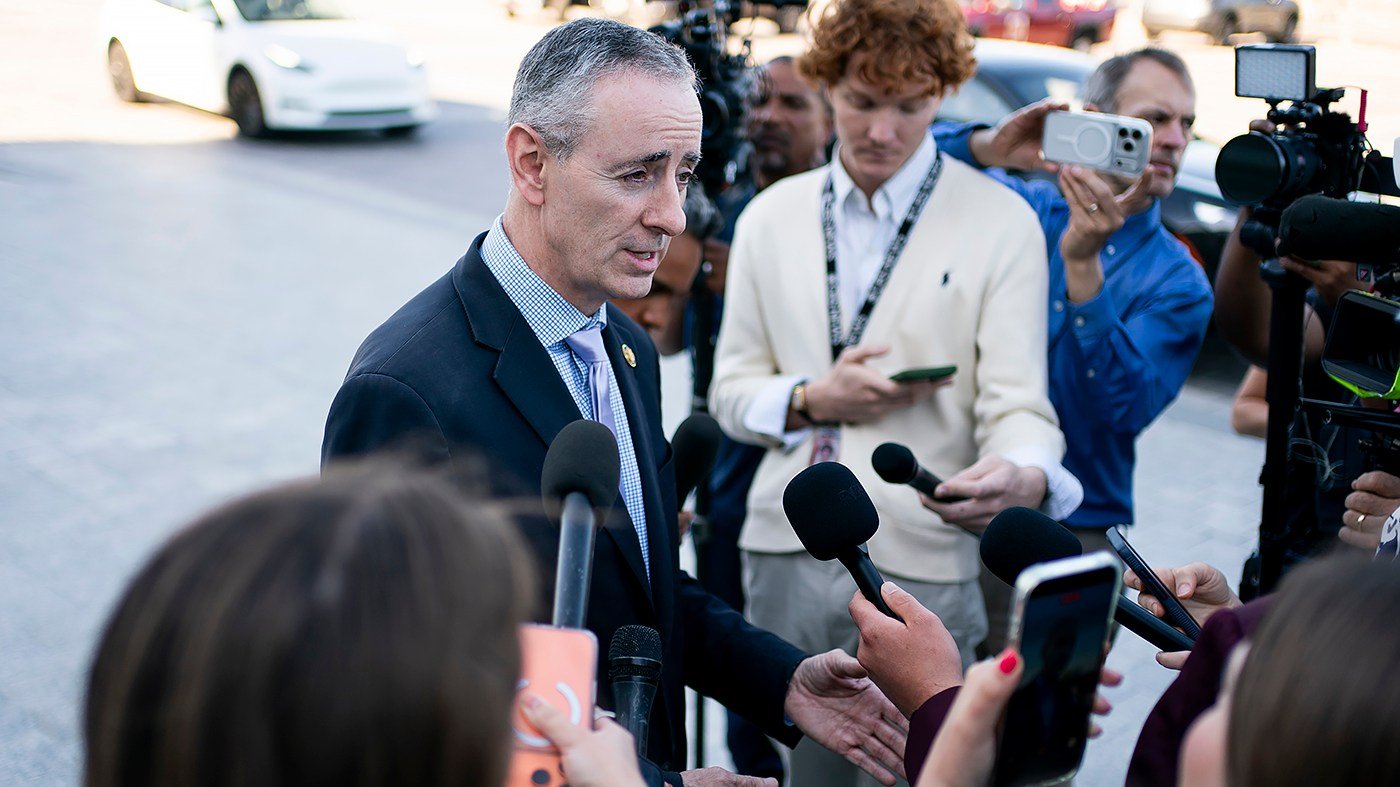
The disconnect between official statements and battlefield events has drawn sharp criticism from both domestic opponents and Iranian leaders. Representative Seth Moulton, a Democratic member of the House Armed Services Committee, argued the downings demonstrate Iran is "winning the war" and accused the president of being "way in over his head."
Iranian officials have mocked U.S. claims of progress. Parliament Speaker Mohammad Baqer Qalibaf sarcastically noted on social media that the American war aim had seemingly shifted from "regime change" to a desperate search for missing personnel. Meanwhile, Iran's Foreign Minister Abbas Araghchi stated that recent U.S. strikes on infrastructure would "not compel Iranians to surrender," asserting only America's global standing would suffer lasting damage.
The administration's strategy appears to hinge on escalating pressure to force a diplomatic settlement. Trump has hinted that Iran's bridges and electrical grid could become future targets. However, Tehran has dismissed recent U.S. ceasefire proposals as unrealistic, creating a diplomatic stalemate as the military deadline approaches.
Broader Strategic Tensions
The Strait of Hormuz remains the conflict's focal point, with Trump expressing frustration over European allies' reluctance to contribute naval assets to secure the vital waterway. In a recent interview, he suggested U.S. commitment to NATO was "beyond reconsideration," calling the alliance a "paper tiger"—a comment likely to reverberate through broader geopolitical alliances.
Parallel to the Iran crisis, the Trump administration faces internal upheaval. The reported firing of Army Chief of Staff Gen. Randy George follows a pattern of senior military dismissals under Secretary Hegseth. Furthermore, the departure of Attorney General Pam Bondi has sparked speculation about wider Cabinet-level instability. Bondi is still expected to testify before Congress regarding the Jeffrey Epstein files, a matter that may surface when Representative Ro Khanna appears on Sunday talk shows.
As the Monday deadline looms, the situation presents a high-risk gambit. The administration must reconcile its public confidence with the operational realities on the ground, where the loss of aircraft and ongoing rescue missions tell a more complex story. The coming hours will test whether Trump's threats can coerce Iranian compliance or instead precipitate a dangerous new phase in the conflict, potentially drawing sharper congressional scrutiny and allied condemnation.