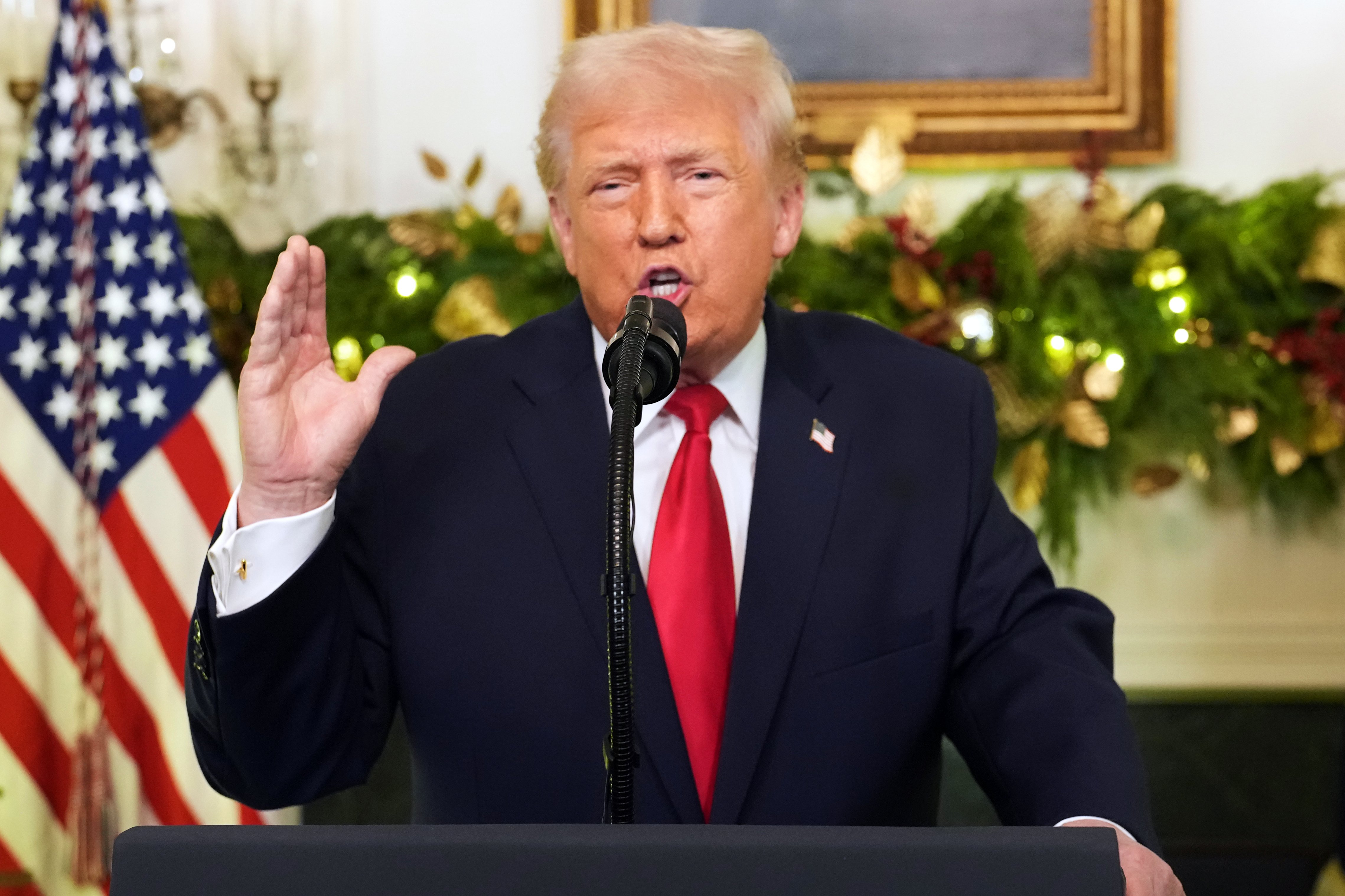
President Donald Trump invoked national security powers on Thursday to impose sweeping tariffs on imported pharmaceuticals, signing an executive order that slaps a 100 percent duty on patented brand-name drugs and their key ingredients entering the United States. The administration framed the aggressive trade measure as a necessary correction to American reliance on foreign drug production, arguing it would protect both national security and domestic patients from bearing disproportionate costs for medical innovation.
National Security Rationale and Tiered Tariff Structure
The order utilizes Section 232 of the Trade Expansion Act, a provision typically reserved for threats to industrial and defense capabilities, to justify the tariffs. In a statement, Trump declared the move "necessary and appropriate" to counter what he termed the nation's dangerous "import reliance" for critical medicines.
The policy establishes a complex, multi-tiered tariff system. While the baseline rate is set at 100 percent, significant carve-outs and reductions apply. Pharmaceutical companies with approved plans to establish or expand U.S.-based manufacturing facilities will face a substantially lower 20 percent tariff. Imports from major allied economies, including the European Union, Japan, South Korea, and Switzerland, will be subject to a 15 percent duty. The rate for the United Kingdom remains contingent on the outcome of an ongoing bilateral trade agreement, with administration officials suggesting it will be lower.
Administration Defends Policy as Fairness Measure
Senior officials vigorously defended the order as an effort to rebalance global pharmaceutical trade. "President Trump's agreement with the United Kingdom is another big step toward ending a system that forces Americans to pay more so others can pay less," said Health and Human Services Secretary Robert F. Kennedy Jr. He argued the policy would ensure "American patients deserve the same affordable access to the medicines they need as patients in the U.K."
U.S. Trade Representative Jamieson Greer echoed this sentiment, stating the president was "ensuring our trading partners pay their fair share for innovative pharmaceutical products, so that American patients are not shouldering the burden of funding research and development for the next generation of life-saving medicines." The administration has spent much of 2025 pressuring major drugmakers, including Pfizer and Bristol Myers Squibb, into "Most Favored Nation" (MFN) agreements, which grant them exemption from the new tariffs.
Broad Exemptions and Industry Backlash
The executive order includes several categorical exemptions. Generic drugs, orphan drugs designated for rare diseases, and products from companies that have signed MFN deals with the administration will not be subject to the new tariffs. This structure is designed to shield certain patient populations and reward companies that acquiesce to administration demands.
The pharmaceutical industry reacted with immediate and sharp condemnation. Stephen J. Ubl, president and CEO of the powerful trade group PhRMA, warned that "tariffs on cutting-edge medicines will increase costs and could jeopardize billions in U.S. investments announced in the last year." He contended that "every dollar spent on tariffs is a dollar that can't be invested in communities across the country." Ubl pushed back on the national security premise, noting that the industry maintains a "robust U.S. manufacturing footprint" and that two-thirds of medicines consumed domestically are already made in America. When imports are necessary, he added, they "overwhelmingly come from reliable U.S. allies, like Europe and Japan."
Political and Economic Context
This dramatic trade action continues a pattern of the Trump administration using executive authority to pursue economic and foreign policy objectives, a approach that has often sparked legal challenges and political controversy. The move comes amid other high-stakes international pressures, including ongoing tensions with Iran and a fraught domestic political landscape. It also follows other contentious unilateral actions, such as the birthright citizenship order currently facing judicial scrutiny.
The long-term impact remains uncertain. While the administration aims to catalyze a reshoring of pharmaceutical manufacturing, critics warn of potential supply chain disruptions, increased drug costs for American consumers and healthcare systems, and retaliatory measures from allied nations. The policy sets the stage for a significant confrontation between the White House, the global pharmaceutical industry, and Congress, which has historically been wary of applying national security designations to broad trade categories.