President Trump on Friday declared that Russia will supply the United States and the global market with diesel fuel, a move he says will help alleviate soaring fuel costs that have become a central issue in the upcoming midterm elections.
The announcement comes after Russia had banned diesel exports, citing damage to its refineries from Ukrainian drone strikes. That ban, which was extended late last month to run through October, had tightened global supplies and contributed to price spikes.
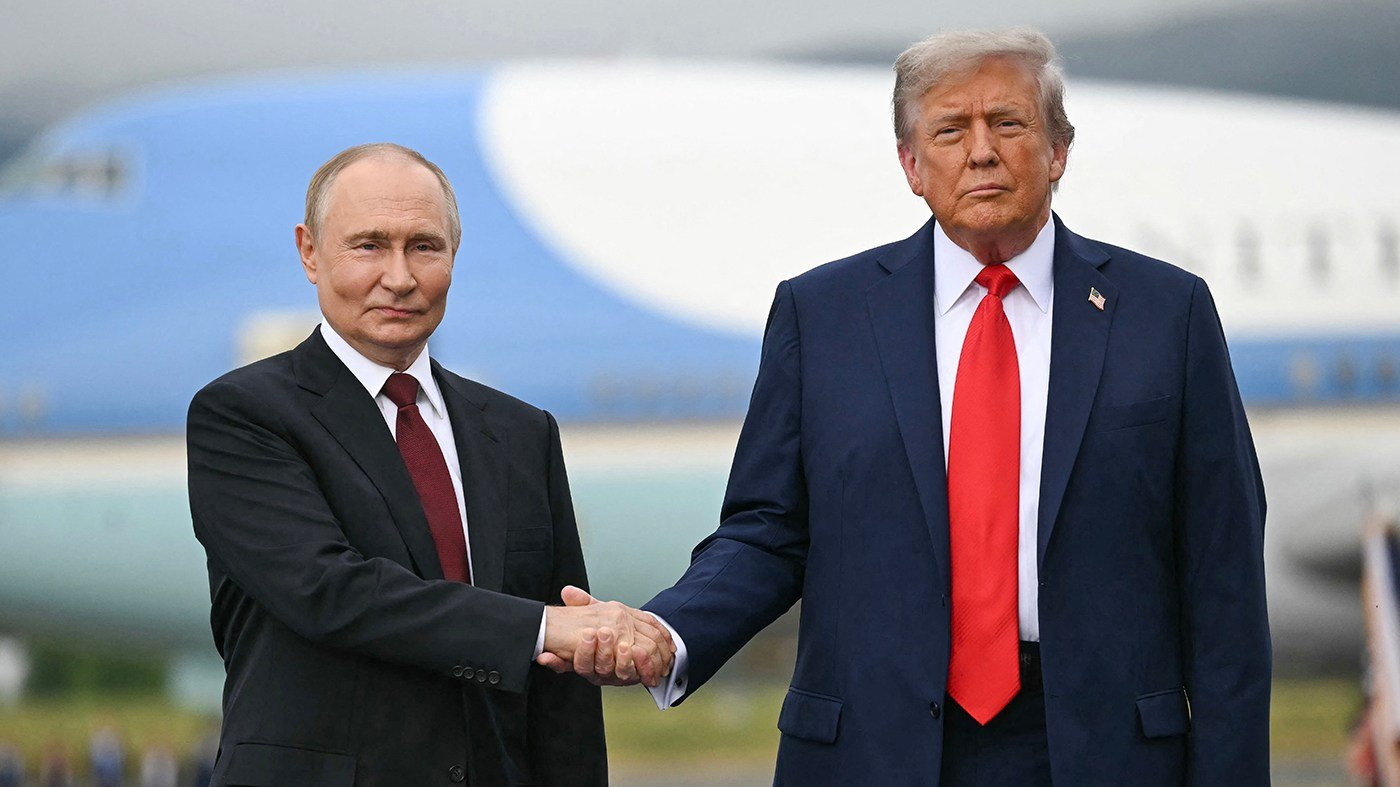
In a post on Truth Social, Trump said he had a "highly successful discussion" with Russian President Vladimir Putin, during which Moscow agreed to immediately ship over 300,000 tons of diesel to American and international buyers. He added that an additional 500,000 tons would follow in November, with 1 million tons arriving "immediately thereafter."
Trump further stated that, based on the condition of Russian refineries, the country would deliver 3 million tons of diesel "within a short period of time." The specifics of the arrangement, including pricing and logistics, were not disclosed.
High diesel prices have hit farmers particularly hard, as they rely on the fuel for planting and harvesting. The issue has become a flashpoint in the midterm campaign, with Republicans blaming the administration's energy policies for inflation. Recent polling suggests that a majority of voters hold Trump responsible for rising costs, as his approval ratings dip over economic concerns.
The president's announcement follows a series of promises about diesel and other policy moves in recent weeks. Critics, however, question whether Russia, facing international sanctions and ongoing conflict, can reliably fulfill such pledges.
Energy analysts note that even if the Russian diesel arrives as promised, it may not immediately lower pump prices, given global refining constraints and shipping costs. Still, the White House is framing the deal as a victory for American consumers.
This development also comes amid broader tensions with Moscow, including disputes over sanctions and diplomatic spats. Some lawmakers have expressed skepticism about deepening energy ties with Russia, but the administration argues that market stability is paramount.
As the midterms approach, the diesel deal could become a key talking point for both parties. Democrats may point to it as evidence of the administration's efforts to address costs, while Republicans could argue that it underscores the failure of domestic energy production. The political fallout remains to be seen.