Following a decisive military campaign that has significantly degraded Iran's conventional military and proxy networks, the Trump administration faces the enduring strategic challenge of permanently neutralizing Tehran's nuclear weapons capability. While Operation Epic Fury reportedly eliminated a large portion of Iran's missile arsenal and naval forces, the knowledge and infrastructure for nuclear development remain. This creates a critical diplomatic juncture, where battlefield success must be converted into a lasting political solution.
The Physics of Enforcement
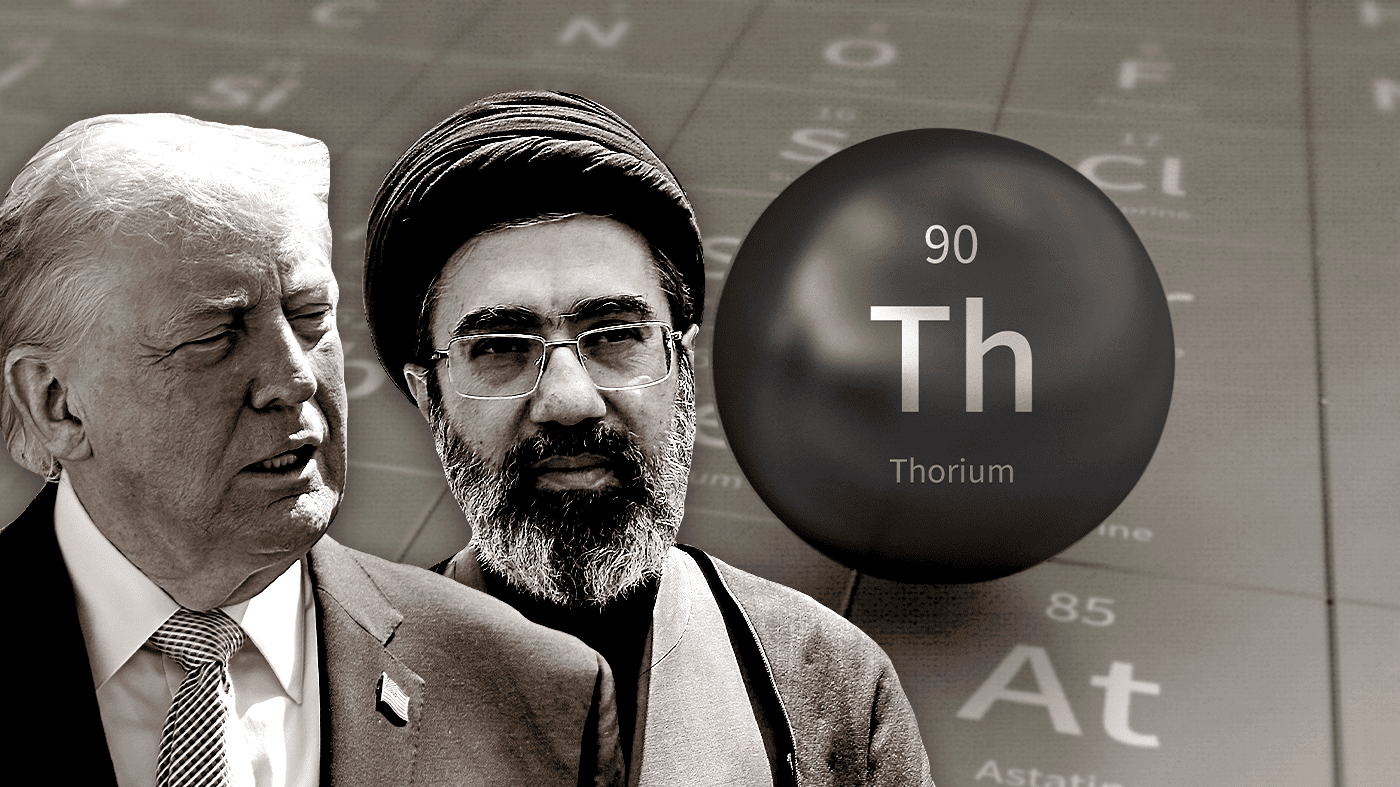
The core proposal gaining traction among policy circles involves pivoting Iran's nuclear energy program from uranium to thorium. Unlike traditional uranium reactors, thorium-based systems cannot produce weapons-grade plutonium or highly enriched uranium-235. The fuel cycle yields uranium-233, which is unsuitable for bomb-making. This distinction offers what proponents call a "physics-enforced" barrier to weaponization, moving beyond previous agreements that relied solely on monitoring and trust.
Every administration since Jimmy Carter's has sought a verifiable end to the Iranian nuclear threat. Past frameworks, including the JCPOA, depended on inspections and political compliance. A thorium-based settlement would structurally remove the weapons pathway, leaving "nothing to cheat with," according to analysts. This comes as the Pentagon prepares to detail its Iran stance following a presidential pause in strikes.
A Framework for Settlement
The proposed deal would be straightforward but demanding. Iran would be required to surrender all remaining enriched uranium stocks, permanently cease uranium enrichment activities, and submit to intrusive, real-time International Atomic Energy Agency monitoring with no exceptions. It would also have to verifiably transfer nuclear materials to a third-party nation and halt financial support for regional proxy militias.
In exchange, the United States, through a multilateral framework, would provide thorium reactor technology and financing, leading to a phased lifting of sanctions. This would directly address Iran's chronic electricity shortages, fulfilling Tehran's long-stated claim that its nuclear ambitions are purely peaceful. The arrangement would also create a decades-long commercial relationship, embedding American companies and technical expertise within Iran's energy sector. This aligns with the administration's recent focus on creating economic opportunities, as seen when Trump announced a ceasefire and cited a 'Big Money' opportunity in the Strait of Hormuz.
Strategic and Commercial Imperatives
The initiative is not presented as foreign aid, but as market access secured by military victory. American firms like Clean Core Thorium Energy and Flibe Energy, already partnered with national laboratories, would stand to gain significant contracts. For Iranians, it offers a tangible benefit—reliable electricity—contrasting with a regime accused of prioritizing proxy wars over domestic infrastructure.
A competitive urgency underpins the proposal. China achieved a breakthrough in thorium fuel conversion in late 2025 and views the technology as a tool for building long-term geopolitical influence. If Washington does not lead, Beijing may offer its own version to Tehran, potentially on less favorable terms for U.S. interests. This technological race occurs alongside broader NATO crises over Iran and the alliance's future.
President Trump, who recently declared the goal of ending "the specter of nuclear blackmail," now possesses unprecedented leverage. The military operation has created conditions for a potential resolution. A thorium-based agreement could provide a permanent off-ramp, achieving a goal that has eluded multiple presidencies. The coming weeks will test whether this scientific solution can form the basis of a durable political settlement, as the Pentagon prepares to brief on the ceasefire and announced negotiations.