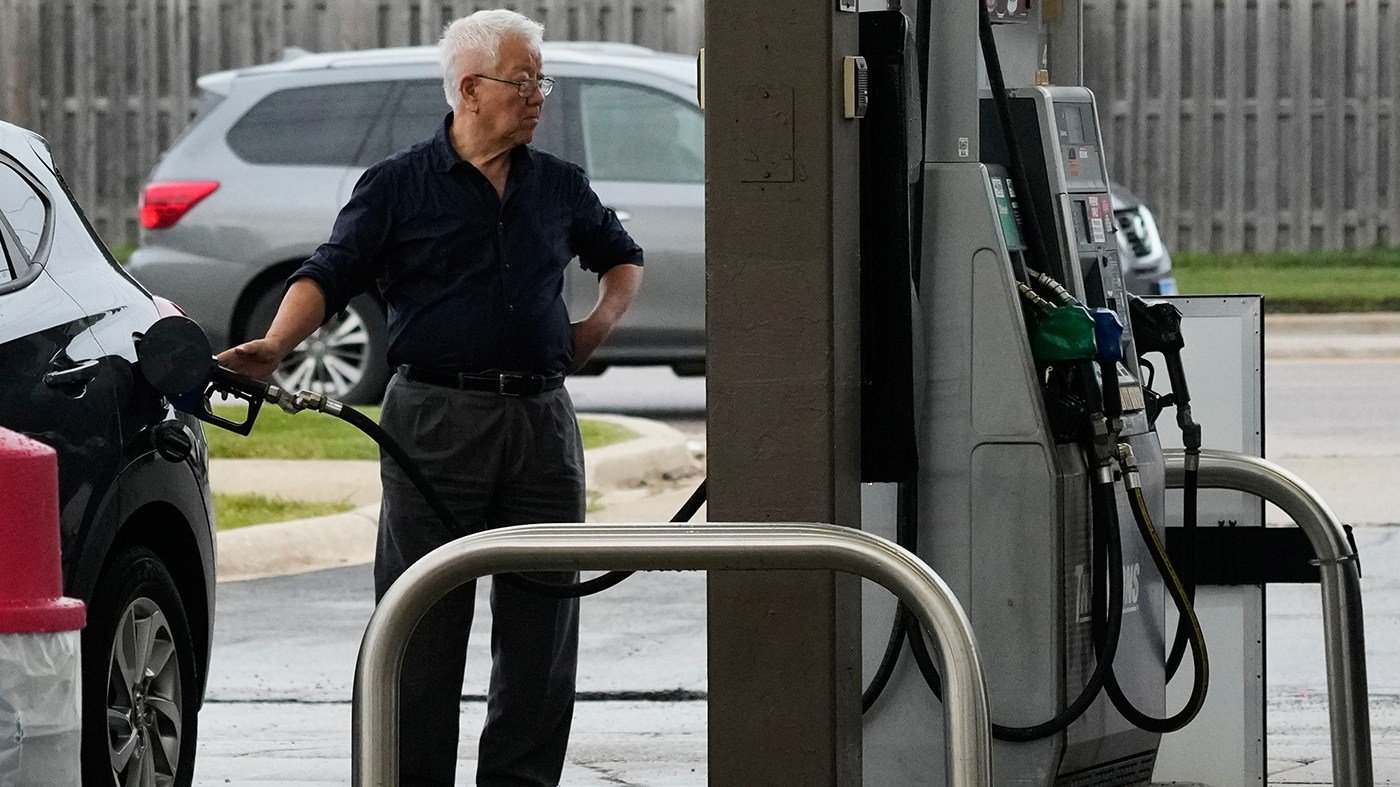
The ongoing conflict with Iran has pushed the national average price for a gallon of regular gasoline above $4 for the first time since 2022, according to AAA data. This marks a significant increase from the pre-conflict average of $2.98. However, this national figure masks extreme regional disparities, with drivers in some states paying nearly double the rate of those in others.
California currently bears the highest burden, with an average price of $5.89 per gallon. Washington and Hawaii also exceed $5, while Oregon and Nevada hover just below that threshold. In stark contrast, states across the Midwest and Gulf Coast enjoy far lower costs. Oklahoma, Kansas, Nebraska, Iowa, Texas, Louisiana, and Mississippi all report averages below $3.50 per gallon, with Oklahoma's $3.27 representing the lowest end of the spectrum.
The Structural Drivers of Disparity
This wide variation is not accidental but rooted in distinct state-level policies and geographic realities. The primary factor is state fuel taxation, which creates a foundational price difference before a single gallon is pumped. According to the Tax Foundation, state gas taxes will range from approximately 9 cents per gallon in Alaska to 71 cents in California by 2025. This policy divergence alone accounts for a major portion of the interstate price gap.
Proximity to refining capacity is another critical element. The majority of the nation's refineries are clustered along the Gulf Coast, providing a supply advantage that translates to lower prices in nearby states. Conversely, the West Coast, and California in particular, faces a supply constraint due to its distance from these hubs and limited local refining capability for its unique fuel blends.
Regulatory Costs and Market Dynamics
Environmental regulations impose additional costs. About one-third of gasoline sold in the U.S. is reformulated to reduce smog, a requirement that increases production and distribution expenses. California operates its own, more stringent reformulated gasoline program, which few refineries outside the state are equipped to produce. The U.S. Energy Information Administration (EIA) notes that in March 2025, state taxes, fees, and environmental compliance costs added an estimated $1.44 to every gallon sold in California.
Local market conditions further fine-tune prices. Areas with fewer retail stations, higher commercial rents, or concentrated demand often see elevated costs. As the EIA explains, "Even stations located close together may have different traffic patterns, rent, and sources of supply that influence pricing." This creates micro-variations even within high-cost states.
The geopolitical context cannot be ignored. The Iran conflict has introduced volatility and upward pressure on global oil markets, contributing to the national price surge. This external shock interacts with domestic structures, amplifying existing disparities. Related developments, such as the move where the Trump administration invoked wartime authority to bypass state jurisdiction on a pipeline project, highlight the tension between federal energy strategy and state control. Furthermore, Iran's tactics in the Strait of Hormuz continue to threaten global oil transit, sustaining market anxiety.
The political ramifications of these price differences are significant, influencing everything from household budgets to gubernatorial elections. The stark contrast between states like California and Oklahoma underscores how subnational policy choices on taxation and regulation have direct, visible impacts on citizens' daily expenses. These choices are increasingly flashpoints in broader political battles, including the Democratic Legislative Campaign Committee's major offensive to flip hundreds of state legislative seats this November.
As long as the Iran conflict persists, maintaining pressure on crude oil prices, these interstate gulfs in fuel costs are likely to remain a prominent feature of the American economic and political landscape. The current top ten states for gasoline prices, according to AAA, are: California ($5.89), Hawaii ($5.46), Washington ($5.36), Oregon ($4.96), Nevada ($4.94), Arizona ($4.70), Alaska ($4.59), Illinois ($4.25), Florida ($4.22), and Maryland ($4.05), all exceeding the national average of $4.06.