The Democratic Legislative Campaign Committee, the party's primary organization for state legislative races, unveiled its first wave of targeted Republican-held seats on Monday. The move signals the opening of a coordinated national effort to reshape political power at the state level ahead of the November elections.
Initial Targets in Key Battlegrounds
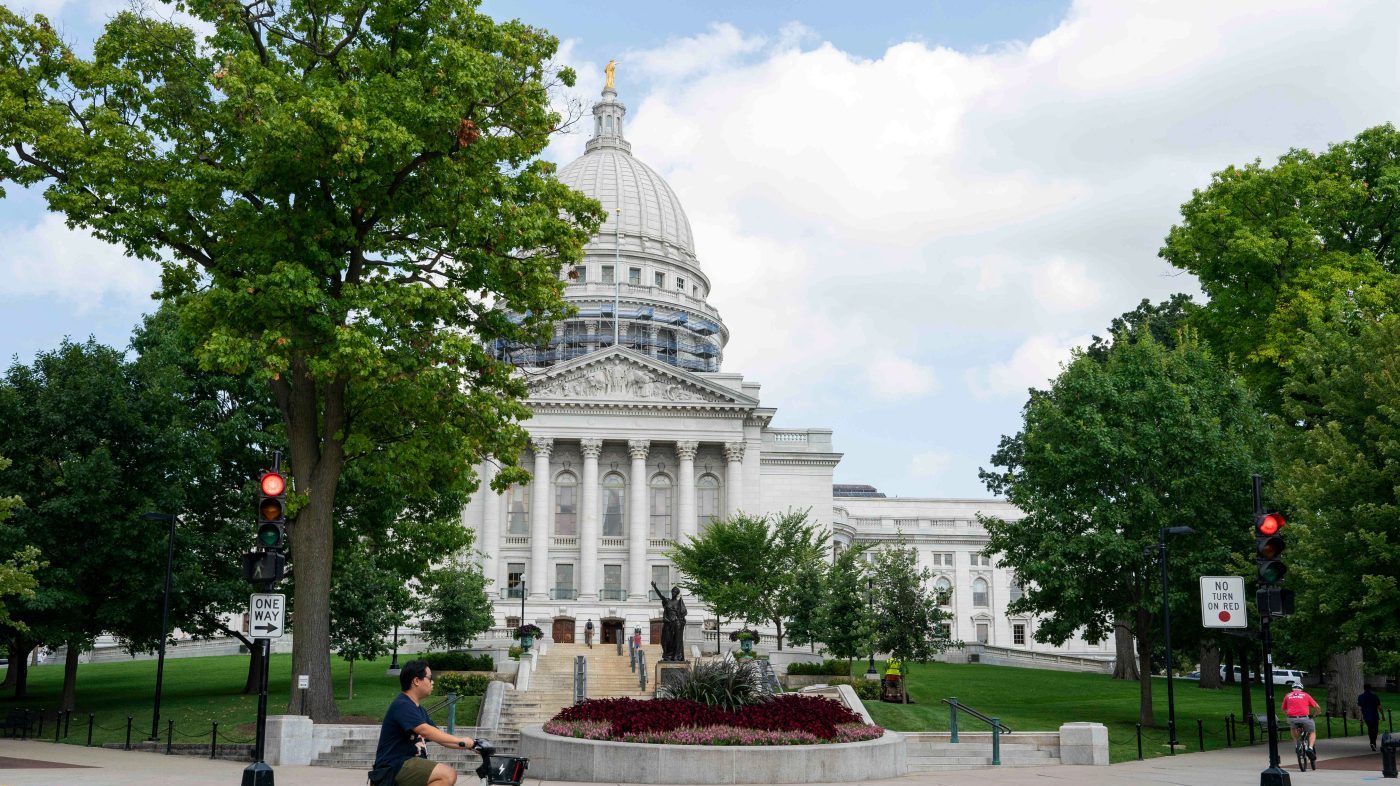
The DLCC announced it will back candidates in both chambers of the state legislatures in Pennsylvania, Michigan, Wisconsin, and North Carolina. The committee also identified races in the Arizona Senate, Georgia House, Texas House, and Iowa Senate for support. Overall, the group expects to engage in approximately 300 contests currently held by Republicans, with plans to be involved in at least 500 races total this cycle.
DLCC President Heather Williams framed the strategy as part of a longer-term power-building effort. "We're looking at how we continue to build power for Democrats, how we break these Republican supermajorities, putting Democrats in the negotiating room," Williams said. She emphasized the critical importance of this cycle for positioning ahead of the "traditional 2030 redistricting cycle."
Building on Recent Momentum
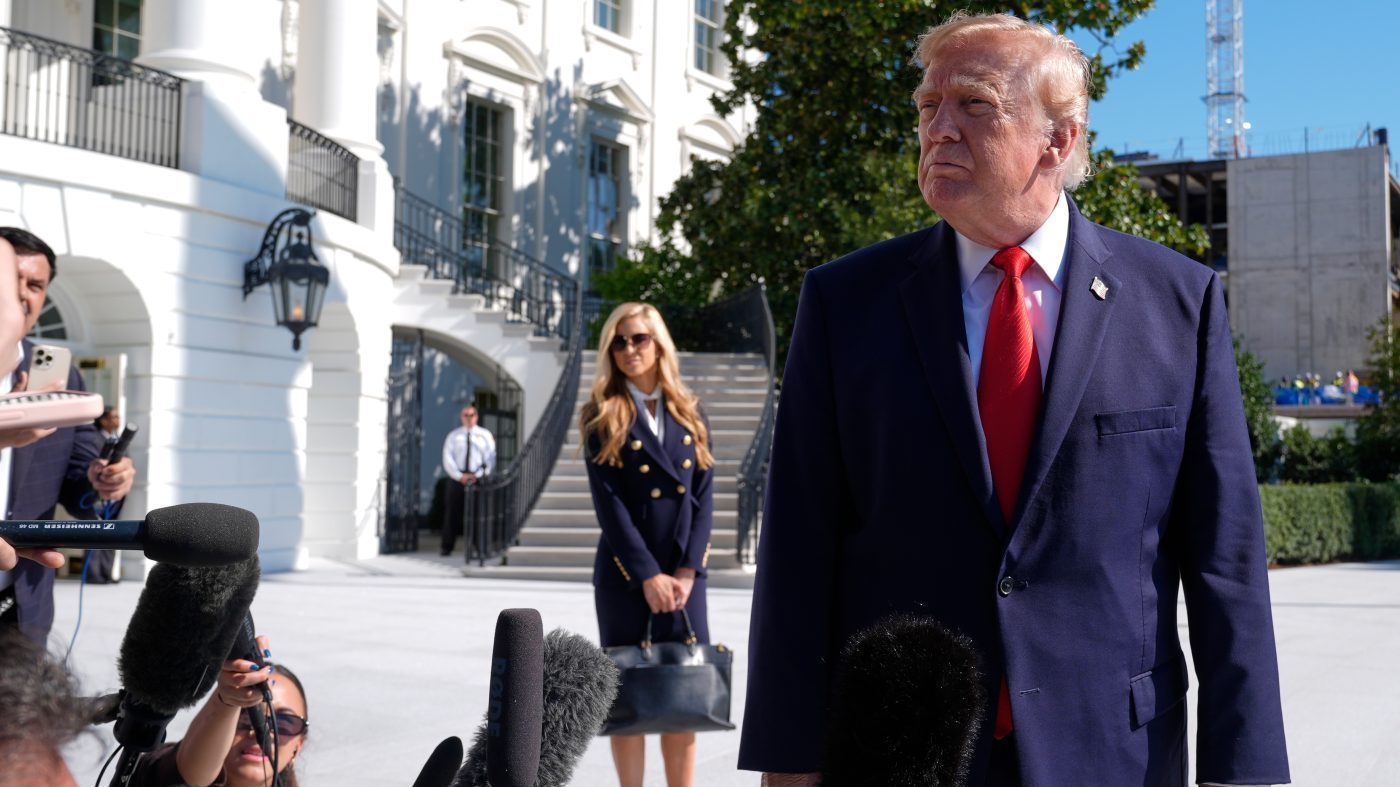
Williams pointed to a string of Democratic victories in local and special elections since the Trump administration began, including flipping two Republican-held seats in Florida last month—one of which includes the district containing the former president's Mar-a-Lago resort. "We've been winning them in sort of every environment," Williams claimed, citing wins during developments in Iran, the release of Jeffrey Epstein files, and debates over tariffs.
She attributed this success to what she described as a disconnect between the Republican agenda and voter concerns. "The lack of attention this administration has on the issues that the vast majority of Americans care about that are crushing them in this economy is the stuff they're not paying attention to," Williams stated, adding, "I think the reality is, is that Trump is the Republican Party. He is the Republican Party's agenda."
The High-Stakes Redistricting Context
The DLCC's aggressive targeting comes as state legislative races have gained heightened importance following the last redistricting cycle. State lawmakers in Texas, California, Missouri, Indiana, Virginia, and Florida played pivotal roles in either advancing or blocking efforts to redraw congressional maps, as both parties aggressively sought advantages for House seats. This dynamic underscores how state-level control directly impacts federal representation, a point not lost on national strategists. The committee's focus on breaking Republican supermajorities is explicitly tied to gaining influence before the next round of map-drawing.
Nonpartisan analysts have flagged several chambers as highly competitive. In January, Sabato's Crystal Ball at the University of Virginia's Center for Politics rated both chambers in Arizona, Wisconsin, Minnesota, and Michigan, plus the New Hampshire House, as "toss-ups." This analysis suggests a volatile landscape where the DLCC's targeted investments could yield significant returns. The broader political environment, including a record number of House Republican retirements, may further influence the energy and resources flowing into these down-ballot contests.
A Broader Political Battlefield
The state legislative push occurs alongside other contentious political and legal fights over election rules and governance. Recent developments, such as a pending Supreme Court decision that could eliminate mail ballot grace periods, highlight how administrative rules can shift the electoral playing field. Furthermore, actions like the partnership between the Justice Department and Homeland Security to access state voter rolls have ignited legal battles, demonstrating the high stakes of who controls state election machinery and legislatures.
Williams's comments and the DLCC's target list reflect a Democratic strategy to nationalize state races by linking local Republican candidates to the Trump administration's priorities. This approach tests whether voter dissatisfaction with national issues can drive outcomes in districts far from Washington. The committee's announcement marks the formal start of what will be a costly and fiercely contested battle for control of America's statehouses, with implications that will resonate through the next decade of American politics.