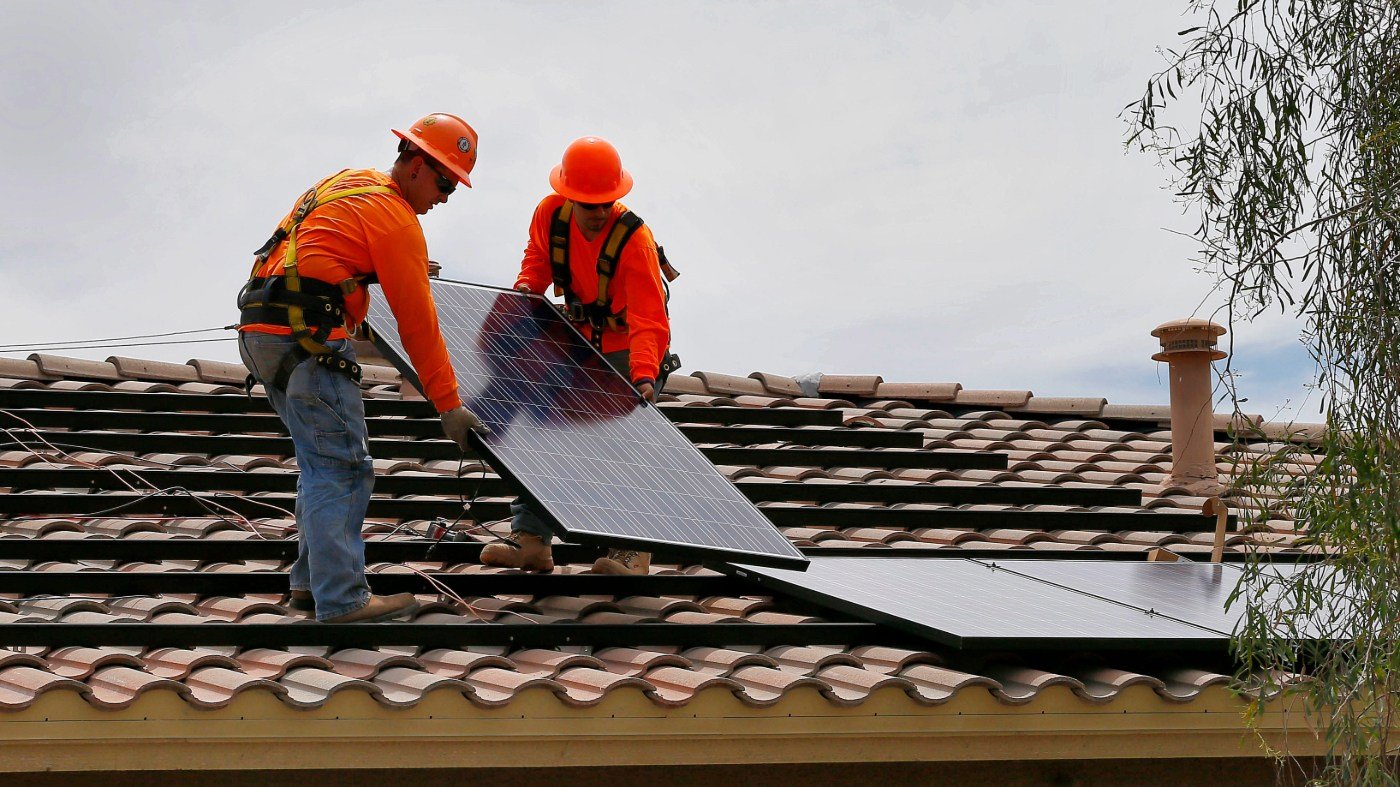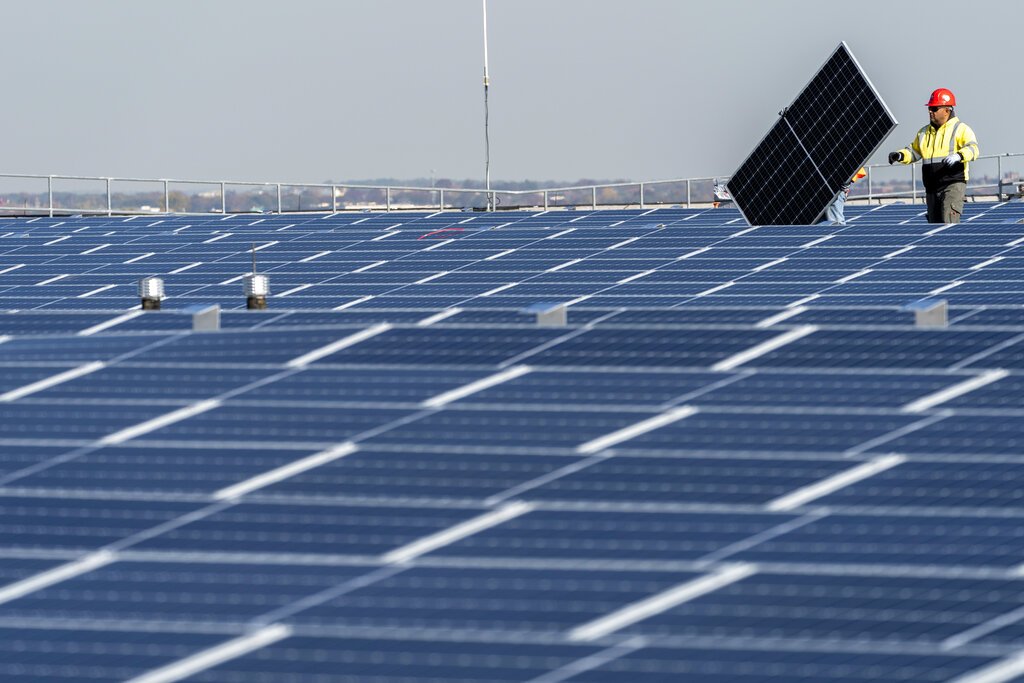
For years, the solar deployment sector enjoyed rare bipartisan consensus in Washington. The solar investment tax credit originated under a Republican-controlled government in 2005 and was renewed repeatedly with broad support from both parties. At the time, these incentives were seen as pragmatic economic policy—tools to attract private investment, increase power generation, and create American jobs. Solar was viewed as essential infrastructure, not a cultural or political emblem.
That broad coalition has now disintegrated. The recent One Big Beautiful Bill Act significantly reduced incentives for solar deployment while preserving and even enhancing programs aimed at building high-value domestic solar manufacturing. Key supports have lapsed or been constrained: the residential solar tax credit expired at the end of 2025, utility-scale projects face tighter eligibility timelines, and new rules on rooftop leasing threaten established business models.

The Roots of Erosion
This reversal did not occur suddenly. It resulted from a gradual breakdown in trust between the solar deployment industry and Republican lawmakers. A primary catalyst was the Democratic Party's deliberate reframing of solar energy as a symbol of climate ambition and partisan allegiance, often while overlooking the industry's deepening reliance on Chinese manufacturing. Once solar became culturally identified with one party, polarization became inevitable. For Republicans, supporting solar risked appearing as an endorsement of a broader climate agenda many conservatives oppose.
Compounding this was the approach of major solar trade associations. Their consistent advocacy for maintaining access to inexpensive Chinese panels, despite strategic and national security implications, has exhausted Republican patience. These groups have repeatedly warned of catastrophic demand drops in response to policies countering Chinese economic practices—predictions that have largely failed to materialize. This pattern has fostered deep distrust, with Republicans viewing the industry's lobby as prioritizing cheap imports over American resilience.
A Nuanced Political Reality
The underlying politics, however, are more complex. Recent polling indicates Republican voters are not opposed to solar power itself. Support actually increases when projects utilize American-made technology with no connections to China. This suggests GOP skepticism is directed not at the technology, but at the foreign supply chains behind it.
The debate over Foreign Entity of Concern restrictions highlights this dynamic. The prevailing Republican view is that federal subsidies should not bolster Chinese employment, especially when those supply chains touch on national security. This stance is not anti-solar; it is anti-dependence. The solar deployment lobby's resistance to these restrictions, seeking loopholes and flexibility, reinforced the perception that the industry wants taxpayer benefits without accepting the strategic responsibilities that should accompany them.
In Washington, credibility is paramount. When policymakers conclude an industry does not share fundamental objectives on national security and industrial strength, rhetorical repositioning rarely repairs the damage. The industry's recent response—recruiting MAGA-aligned influencers and conservative media figures to promote subsidies using terms like "energy dominance"—has been widely seen as superficial and condescending, failing to address core substantive concerns.
A Path to Restoration
To rebuild durable bipartisan support, the solar deployment sector must move beyond messaging campaigns and directly engage the issues Republicans consistently emphasize: supply-chain security, unfair trade practices, and domestic manufacturing. It should follow the example set by genuine American solar manufacturers who have invested billions in U.S. factories and supply chains, creating thousands of jobs and demonstrating commitment through action, not just slogans.
Republicans are not intrinsically hostile to solar energy. They oppose policies they believe undermine American industry or increase reliance on geopolitical adversaries. The industry's future political viability depends on whether it can seriously confront these concerns, much like the broader political system must navigate complex bipartisan negotiations on other contentious economic policies. Until it does, the coalition that once propelled solar's expansion will remain fractured, a casualty of shifting political priorities and global supply chain tensions that also affect sectors like the global semiconductor industry.