A significant legislative and regulatory battle is unfolding in Washington over the future of sports betting on prediction markets, pitting a bipartisan coalition of lawmakers against a key federal regulator and major professional sports leagues.
Unlikely Alliance Forms Against Prediction Markets
An unusual alliance of policymakers—spanning from social conservatives to progressive critics of corporate power—is advancing measures to restrict prediction markets through both new laws and legal challenges. Their goal is to limit the platforms' operations and the types of wagers they can offer, arguing that sports-based contracts constitute illegal gambling.

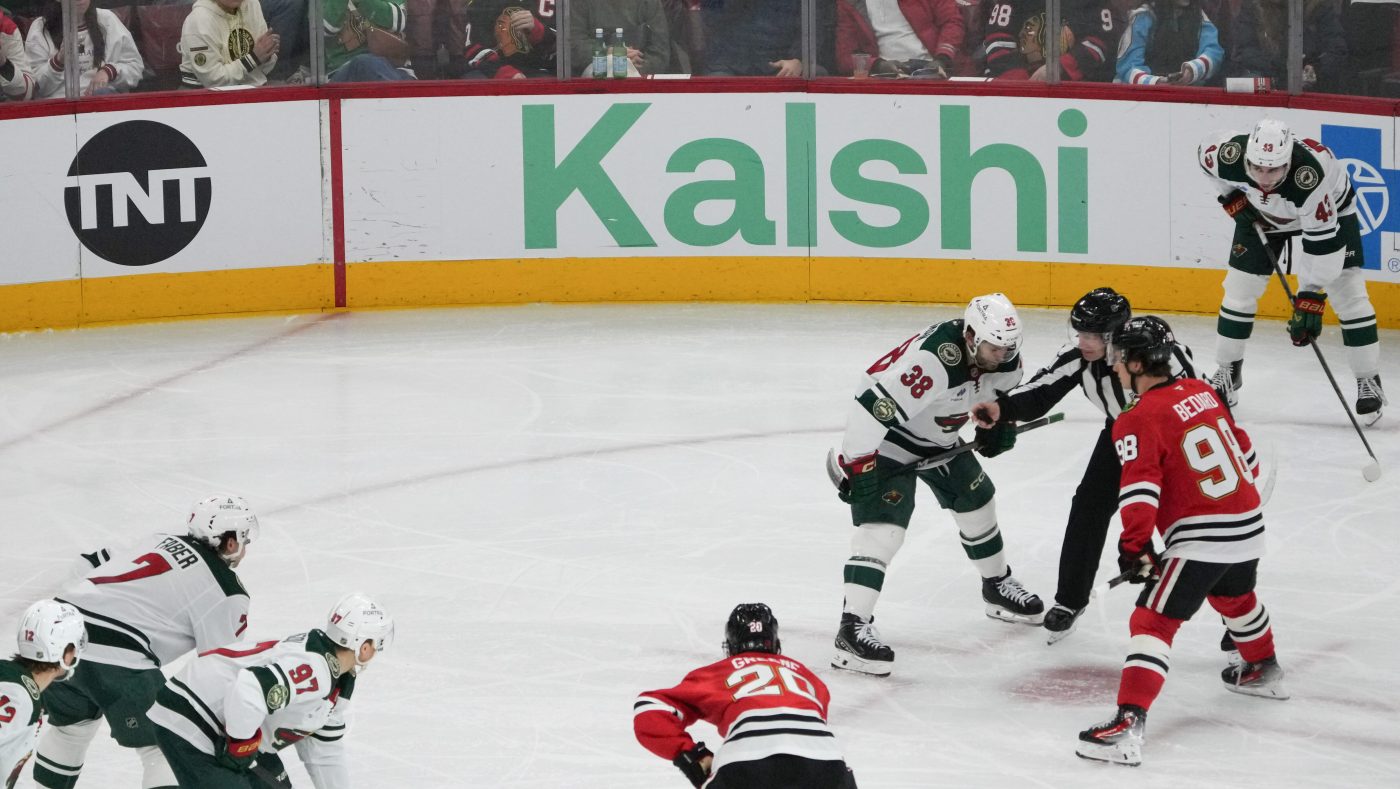
This pushback comes as platforms like Polymarket and Kalshi solidify their presence in sports through high-profile partnerships. Major League Baseball recently named Polymarket its "Official Prediction Market Exchange" and entered a formal agreement with Commodity Futures Trading Commission (CFTC) Chair Mike Selig to collaborate on monitoring these markets. The deal prompted sharp criticism from progressive figures, including Rep. Alexandria Ocasio-Cortez (D-N.Y.), who condemned the "pervasive gambling" she argues harms society. Her broader skepticism of the industry's self-regulatory efforts has been documented in related coverage of prediction market reforms she views as inadequate.
The Core Legal Debate: Investment or Gambling?
Prediction markets allow users to buy contracts tied to specific event outcomes, from sports scores to geopolitical events. The CFTC, which oversees these platforms, classifies them as "event contracts"—a financial instrument it regulates. Advocates, including Selig, contend they provide a public good by allowing ordinary Americans to hedge against risks like natural disasters or energy price spikes, and by offering an alternative information stream.
However, critics led by Senators Adam Schiff (D-Calif.) and John Curtis (R-Utah) reject this distinction for sports. "Sports prediction contracts are sports bets—just with a different name," Schiff stated. The senators introduced the "Prediction Markets Are Gambling Act" this week to explicitly ban platforms from offering sports event contracts and casino-style games. Schiff accused the CFTC of creating a "backdoor" that violates state laws, infringes on tribal sovereignty, and generates no public revenue. Schiff has previously challenged administration narratives on other financial and foreign policy matters, including expressing skepticism over Trump's claims regarding Iran negotiations.
States Join the Fray Against Federal Regulator
The conflict extends beyond Capitol Hill, with several states directly challenging both the prediction market companies and the CFTC's authority. Utah, where all gambling is constitutionally banned, is pursuing legislation to specifically outlaw prediction markets. Meanwhile, gambling-friendly states like Nevada and Ohio are fighting the platforms in court to protect their regulated industries.
Last week, a Nevada judge blocked Kalshi from offering sports betting in the state. "Prediction markets, to the extent they facilitate unlicensed gambling, are illegal in Nevada," said Mike Dreitzer, chair of the Nevada Gaming Control Board, emphasizing a duty to protect the public and steer betting toward licensed books. This legal pressure coincides with platforms themselves imposing new restrictions to combat potential insider trading amid growing scrutiny.
A Market Forged by Regulatory Shifts
The current controversy stems from two pivotal developments. First, a 2018 Supreme Court decision struck down a federal ban on sports betting, unleashing a national wave of legal wagering. Second, the CFTC last year granted Kalshi and Polymarket permission to expand their offerings of event contracts tied to sports, creating the regulatory opening lawmakers are now trying to close.
CFTC Chair Selig has vowed to resist state-level crackdowns, framing prediction markets as valuable financial and informational tools. This stance places a Trump-appointed regulator at the center of a political storm, defending an industry that critics in both parties believe is operating in a legal gray zone with significant social costs. The outcome of this fight will determine whether sports betting on prediction markets is legitimized as a financial innovation or outlawed as a loophole for unregulated gambling.