Taylor Fresh Farms has initiated a large-scale recall of its salsas, dips, guacamole, and related products sold at major retailers across 26 states, following concerns over possible salmonella contamination. The move comes just a week after federal health officials linked a multistate salmonella outbreak to jalapeño peppers.
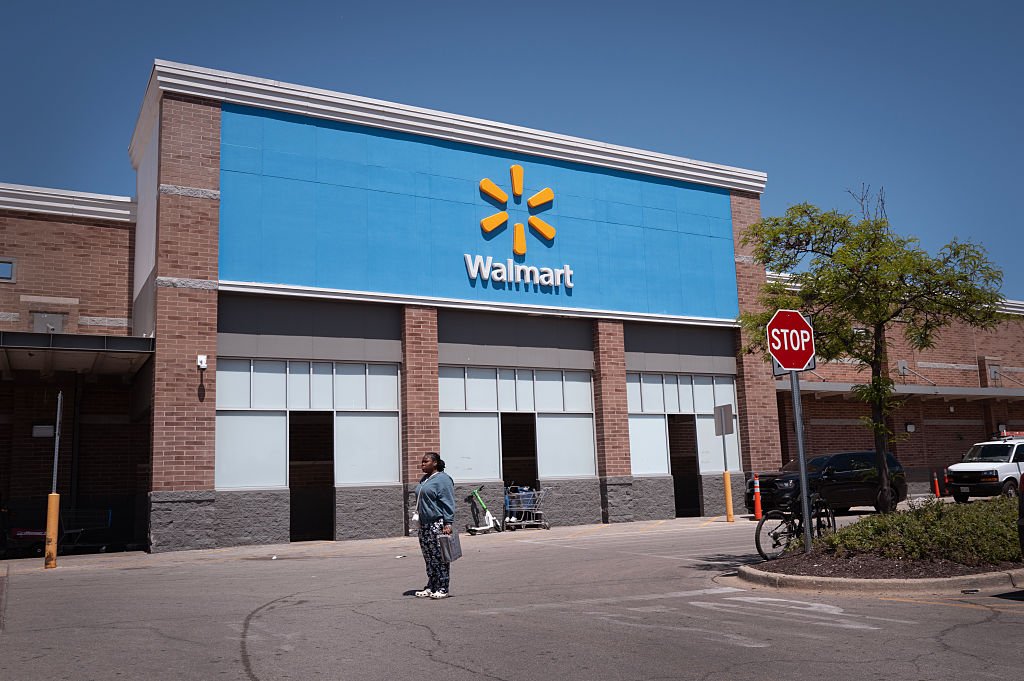
The recalled items were available at prominent grocery chains including Kroger, Target, Trader Joe's, Whole Foods, and Walmart, as well as Hannaford and Stop & Shop locations. The recall underscores the ongoing challenges in ensuring food safety across complex supply chains.
Origin of the Outbreak
Federal investigators have pointed to Coast Citrus Distributors, a Mexico-based supplier, as a likely source of the contaminated peppers. The CDC's investigation into the outbreak has traced the jalapeños to the Sinaloa region, intensifying scrutiny on imported produce.
This recall is part of a broader pattern of foodborne illness outbreaks that have raised public health concerns. Recent cyclospora and salmonella outbreaks echo historic foodborne crises, prompting calls for stronger oversight and faster response mechanisms.
Scope and Impact
The recall affects a wide range of products, including fresh salsa, chunky guacamole, and various dips that were distributed to retailers in more than half the country. Consumers who have purchased these items are urged to check for specific lot codes and expiration dates, and to return them to the point of purchase for a full refund.
Health officials emphasize that salmonella can cause serious and sometimes fatal infections, particularly in young children, the elderly, and individuals with weakened immune systems. Symptoms include fever, diarrhea, nausea, vomiting, and abdominal pain.
This incident also highlights the broader issue of food safety in the retail sector. Taylor Farms has previously expanded recalls over salmonella-linked jalapeños, indicating a recurring challenge with this ingredient.
Regulatory and Political Repercussions
The recall has drawn attention from policymakers and consumer advocates, who are calling for more rigorous testing and traceability requirements for imported produce. The ongoing debates over food safety regulations are likely to intensify as the investigation continues.
In the meantime, retailers are working to remove the affected products from shelves and are cooperating with federal agencies to ensure public safety. Consumers are advised to monitor official recall lists and to practice safe food handling.
As the investigation unfolds, this recall serves as a reminder of the vulnerabilities in the global food supply chain and the importance of swift action to prevent widespread illness.