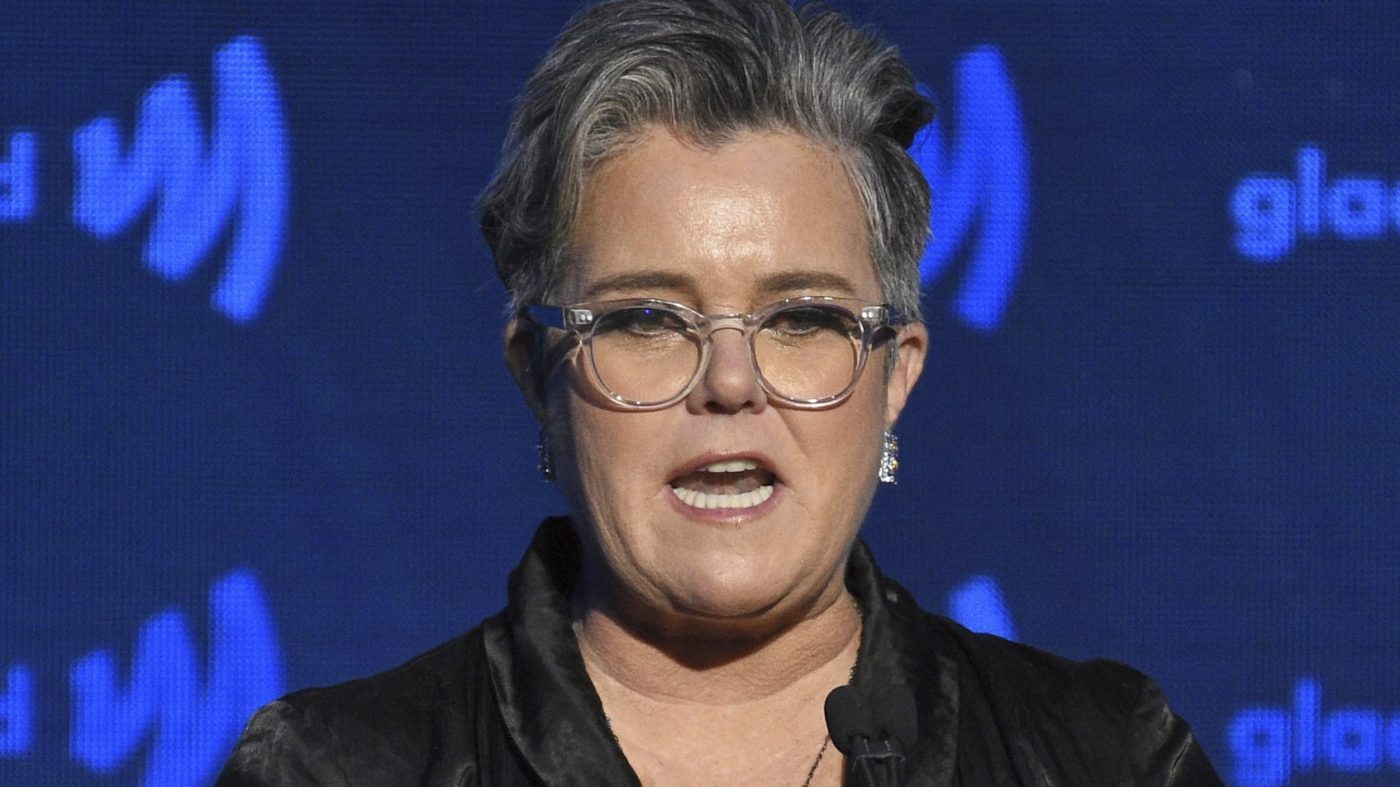
Rosie O'Donnell made a brief return to American television this week, stepping in as guest host on ABC's Jimmy Kimmel Live! and offering only a few pointed remarks about President Donald Trump. The comedian, who relocated to Ireland last year citing the president's second term, used her monologue to talk up her new life near Dublin and take a few veiled shots at the White House.
O'Donnell, whose long-running feud with Trump has intensified since his return to office, opened her set by recounting how she kept her move quiet. “I decided to move, and I took my little then-11-year-old kid with me, and I just said, whatever you do, don’t tell anyone because we don’t want a lot of press and a lot of paparazzi,” she said Monday. “So, please don’t tell anyone.”
She then joked that her nonbinary child, Clay, promptly told their entire class they were “being forced to move to another country because the president of the United States hates my mother.” O'Donnell added that Clay also said, “I believe my mother hates him more.”
The comedian's contentious relationship with Trump dates back more than a decade, but it has escalated since his return to the Oval Office. O'Donnell has publicly criticized his leadership and agenda, while Trump has mocked her appearance and intelligence. During the broadcast, she looked directly into the camera and said, “Hi, I know you’re watching.”
Beyond those jabs, O'Donnell largely avoided substantive commentary on the administration. She told viewers, “Right now, he’s in the White House crying because I haven’t mentioned him.”
Her decision to keep the remarks brief comes as ABC faces pressure from the Federal Communications Commission over its diversity, equity, and inclusion policies. FCC Chair Brendan Carr has threatened to revoke the network's broadcast license over critical comments made by host Jimmy Kimmel and others about Trump. On Tuesday, ABC filed a First Amendment lawsuit against the FCC, accusing the administration of trying to coerce the network and strip its licenses because it disapproves of its programming.
The legal battle underscores a broader clash between the Trump administration and mainstream media outlets. As the FCC's threat looms, networks are weighing how to balance editorial independence with regulatory risk. O'Donnell's restrained approach may reflect that tension, even as she made clear her personal disdain for the president remains intact.
Her appearance also highlights the ongoing political realignment, with figures like O'Donnell choosing self-exile rather than continued engagement. Meanwhile, other political dynamics continue to unfold, including Democratic governors positioning themselves as a 2026 counterweight to Trump and experts warning about costly delays in the president's carrier redesign push.
For now, O'Donnell's return was more about personal storytelling than political combat. But her brief acknowledgment of Trump—and the FCC fight surrounding ABC—signals that the intersection of entertainment, politics, and regulation remains as volatile as ever.