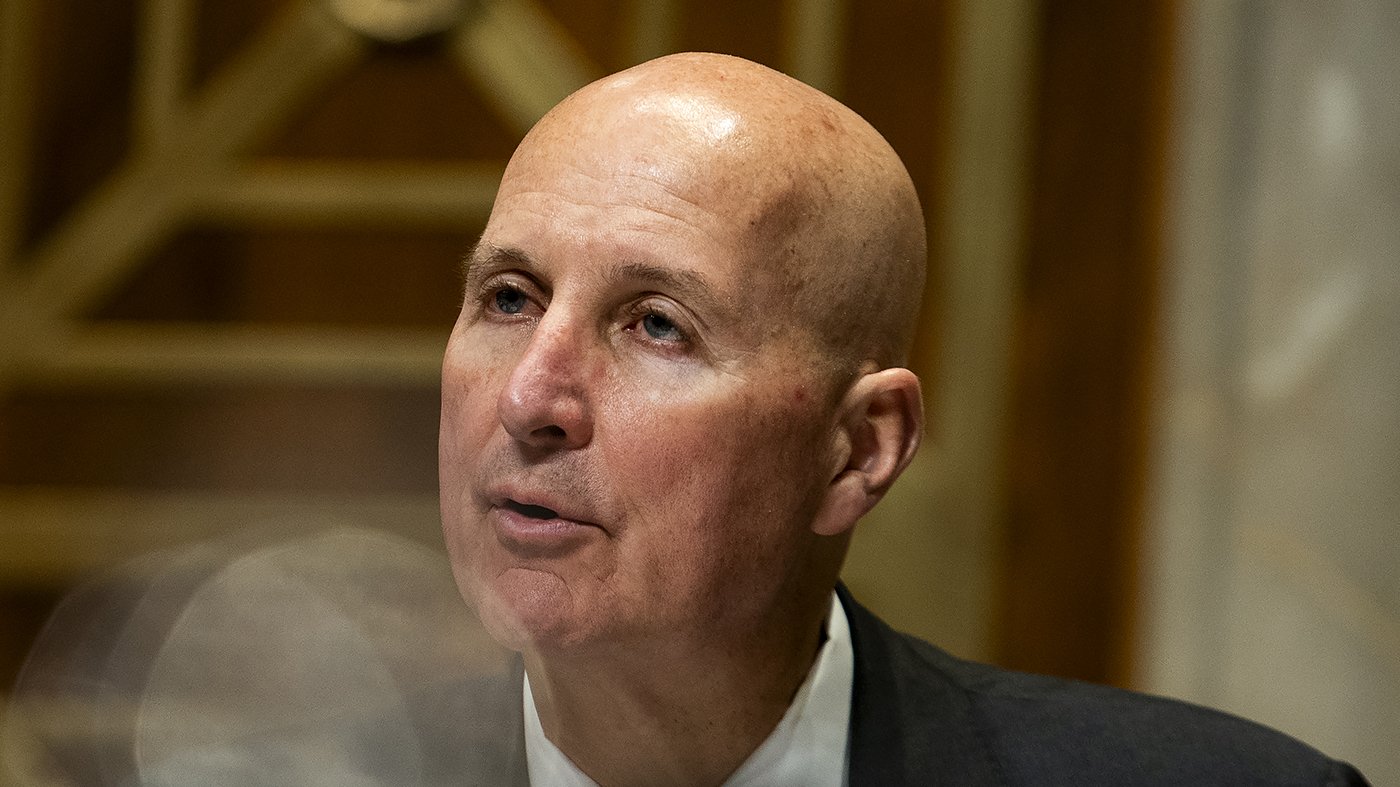
Sen. Pete Ricketts (R-Neb.) issued a public apology on Friday after he attempted to use Capitol Police to prevent a reporter from questioning him about Senate Minority Leader Mitch McConnell's (R-Ky.) health. The Nebraska Republican acknowledged in a social media post that he “reacted poorly” and thanked TMZ DC correspondent Charlie Cotton for “taking his call” to express regret.
The incident unfolded on Thursday when Cotton approached Ricketts in a hallway of the Russell Senate Office Building. Video posted on X shows Cotton asking whether McConnell, who has been absent from the Capitol since June 14 due to an undisclosed hospitalization, should do more to demonstrate his fitness for office. Ricketts initially responded, “We should give Mitch the time to recover,” adding, “We are praying for him,” before gesturing to Capitol Police officers to intervene.
Ricketts then asserted that Cotton and another journalist were not “acting as reporters,” a claim Cotton disputed, noting that both had already cleared security after entering from the building's basement. Despite that, officers stepped in and halted the exchange.
The confrontation has drawn sharp criticism from press advocates and fellow journalists, who note that the hallway where the encounter took place is a public area accessible to credentialed reporters. The video has amassed over 200,000 views, with many in the media defending Cotton's right to ask questions in that space.
Cotton, who joined TMZ's newly launched Washington bureau in April, said he accepted Ricketts's apology. “I respect anyone who can take accountability when they make a mistake,” he said, adding that he looks forward to future conversations with the senator. In a separate post, Cotton praised the “camaraderie of the media here in D.C.,” which he said has been “truly incredible.”
This episode comes amid heightened scrutiny of press freedom and access on Capitol Hill. It also occurs as McConnell's health remains a topic of speculation; his office released a photo on Monday showing him smiling alongside his wife, former Transportation Secretary Elaine Chao, at his hospital bedside. The 81-year-old senator has not returned to work since his hospitalization, and questions about his long-term capacity continue to circulate.
Ricketts, a first-term senator appointed in January, has not commented further beyond his apology. The incident has nonetheless fueled broader debates about how lawmakers interact with the media, particularly when faced with uncomfortable questions.
Some political observers have drawn parallels to other recent clashes over press access, such as court battles over voter records and election administration disputes. While those cases involve legal and procedural issues, the Ricketts incident highlights the everyday tensions between public officials and the reporters who cover them.
For now, the apology appears to have defused the immediate conflict, but the episode serves as a reminder of the delicate balance between a senator's desire for privacy and the public's right to information about elected leaders' health and fitness for office.