A recent Gallup poll found that 43% of Americans view socialism favorably, a record high that has generated a wave of alarmed headlines. But Elaine Parker, president of the Job Creators Network Foundation, argues the numbers are less about ideological conversion and more about frustration with an economy that many blame on capitalism, when in fact government intervention is the culprit.
Parker, writing in an op-ed, contends that the affordability crisis in healthcare, childcare, housing, and everyday goods is not a failure of free markets but a consequence of excessive regulation and reckless deficit spending. She points to healthcare as a prime example: per capita expenditures have tripled this century, and monthly premiums often reach four figures. Yet the system is far from capitalist, she argues, citing regulations that ban catastrophic insurance and association health plans, as well as certificate-of-need laws that stifle competition. These policies have allowed hospital and insurer oligopolies to thrive, hiding prices and overcharging patients.
Childcare and housing tell a similar story. Parker notes that strict zoning, rent control, and occupational licensing inflate costs, locking out new suppliers. She cites a 60% rise in housing prices since early 2020 and escalating childcare expenses that have prompted some Democrats, like Rep. Ro Khanna, to call for socialization. But Parker insists these are regulatory problems, not market failures.
Inflation, too, is a government creation, she argues. With federal deficits approaching $2 trillion annually and the money supply up 50% since 2020, the purchasing power of the dollar has eroded. She quotes economist Milton Friedman: "Inflation is everywhere and anywhere a monetary phenomenon." Parker warns that expensive socialist programs would only worsen inflation, and that the real solution is cutting government spending.
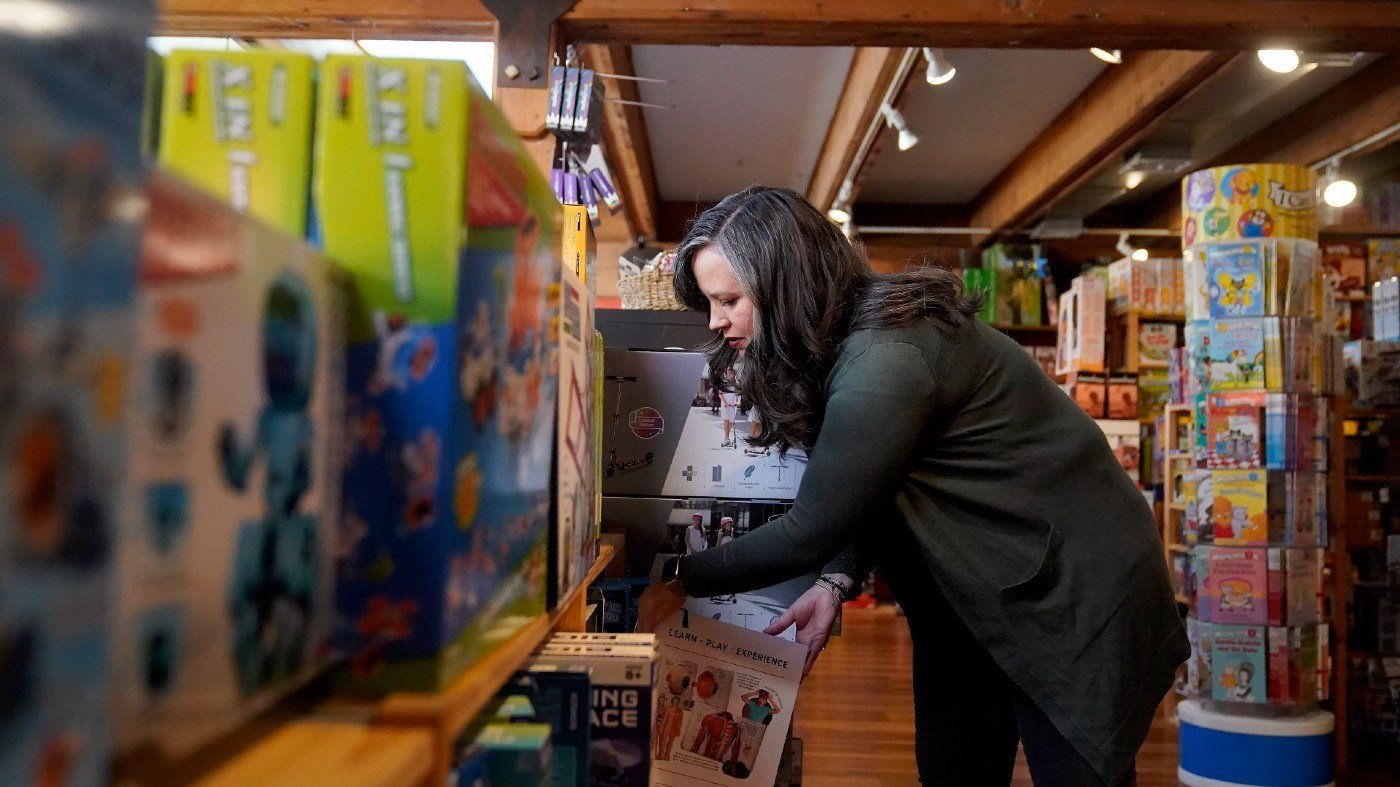
The poll also found that 95% of Americans support small businesses, which Parker calls the embodiment of capitalism. She argues that true small-business supporters cannot also back socialism, since socialist policies—high taxes, burdensome regulations, and inflation—hurt these enterprises most. The disconnect, she says, shows that support for socialism is overstated and reflects a misunderstanding of what causes economic pain.
Parker calls on media, educators, and politicians to clarify these economic realities, but says too often they "demagogue and simplify" issues for partisan gain. The Democratic Socialists of America have filled the vacuum, she claims, with false promises that socialism is the answer. Nonprofit free-market groups, she concludes, are more needed than ever to explain that capitalism creates while socialism takes.
To turn the tide, Parker urges a shift toward more capitalism and less government intervention, which she says would improve living standards and ultimately reduce the appeal of socialism. The article appears as small businesses continue legal battles over tariffs and other policies, underscoring their frontline role in the economy.
Parker's analysis comes amid broader debates over economic policy, including bipartisan efforts on family support that could expand government involvement. She warns that such measures, while well-intentioned, risk exacerbating the very problems they aim to solve.
Ultimately, Parker argues that the Gallup poll's other finding—overwhelming support for small businesses—reveals the true sentiment of Americans, who value entrepreneurship and competition. By embracing free-market principles, she says, policymakers can address affordability and, in the process, undercut the case for socialism.