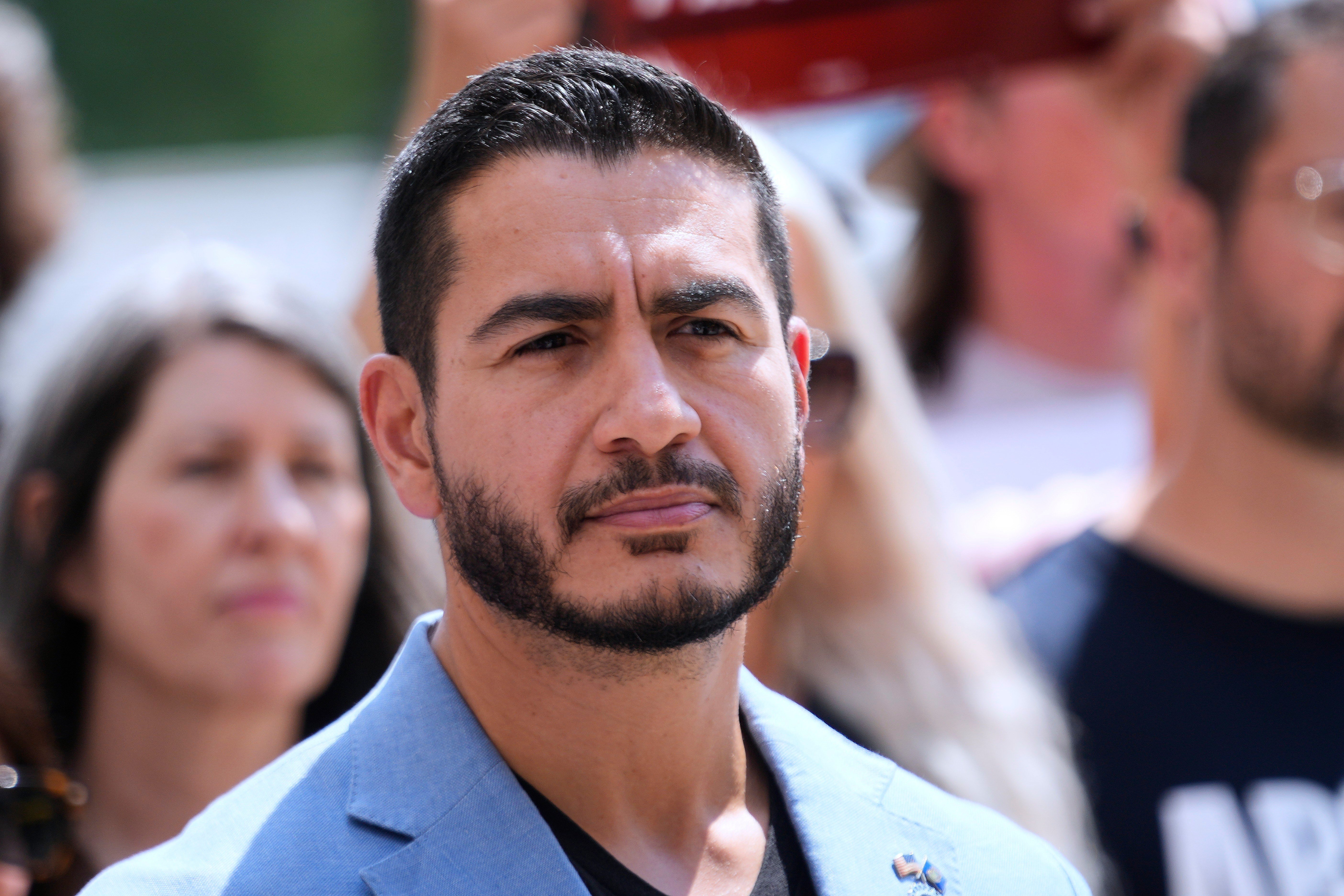
Abdul El-Sayed, the Democratic nominee in Michigan's open Senate race, directly blamed Israeli Prime Minister Benjamin Netanyahu on Tuesday for steering the Trump administration into the ongoing war with Iran. The conflict, which began with joint US-Israeli strikes on Tehran on February 28, has dragged on for over seven months, causing global energy prices to surge as commercial oil traffic through the Strait of Hormuz has ground to a halt.
In an interview with NewsNation's Leland Vittert, El-Sayed asserted, "We are in the war in Iran in part because of the advocacy of the Israeli prime minister. There's no disagreement on that. He came to the Situation Room and advocated for the war, and we're now paying for it. Our gas, our groceries are unaffordable, and that's on top of the billions in tax dollars that we spend sending our money over there."
President Trump has insisted that his administration, not Israel's, is calling the shots in the conflict. However, Netanyahu pushed back in June, maintaining that his government had "every right to self-defense" and would "exercise that right whenever necessary."
The economic toll has become a central issue in the election cycle, with public discontent over rising living costs. A Marquette Law School poll from August found that 75% of respondents believed the military operations were not "worth the cost." Lawmakers have responded by passing several Iran powers resolutions—three in the House and one in the Senate—urging the administration to end US military actions against Iran.
El-Sayed has been vocal about his opposition to funding foreign wars. "I have been more than extremely clear about this: I don't want our tax dollars being used to subsidize war abroad," he said. "I don't want our tax dollars being used to fund, unconditionally, foreign militaries." His stance aligns with broader concerns among Democratic voters about the party's direction.
The Senate race has intensified ahead of a Thursday debate in Grand Rapids between El-Sayed and his Republican opponent, former Rep. Mike Rogers. On Wednesday, Rogers reversed his earlier support for President Trump's tariffs, calling for an immediate end to the US-Canada trade dispute—a position he had previously praised as "necessary."
El-Sayed accused Rogers of "flip-flopping" on the issue, suggesting it was a political move as polls show him trailing. "Donald is the reason we're in a trade war. And he's the reason you're running," El-Sayed wrote on social media, referring to the president. The shift comes as outside groups ramp up spending in the Michigan race.
With the debate looming, both candidates are seeking to define the stakes. El-Sayed has framed the election as a choice between accountability and continued entanglement in foreign conflicts, while Rogers has tried to navigate his own party's divisions. The outcome in Michigan could be pivotal, and former President Obama is set to campaign for El-Sayed, underscoring the national attention on this race.