With less than a month to go before the midterms, Democrats are enjoying their strongest position of the entire election cycle. The latest NBC News survey gives them a nine-point lead on the generic congressional ballot, matching the aggregates from Nate Silver’s model and RealClearPolitics. Prediction markets agree: Kalshi shows a 62 percent chance that Democrats capture both chambers.
Adding to the optimism, a New York Times review of primary turnout in Senate battlegrounds found Democrats far more energized than Republicans. In 17 of 22 states with contested primaries for governor or Senate, Democratic turnout exceeded 2022 levels, while Republicans saw lower participation in two-thirds of those races. In Michigan, nearly 600,000 more Democrats voted than Republicans; in Texas, Democrats outpaced Republicans by 150,000—a swing of over a million votes compared to two years ago.
These numbers reflect genuine voter frustration with Republican governance. Inflation continues to eat into household budgets: consumer prices rose 3.4 percent year-over-year in August, outpacing wage growth. Gasoline averages above $4.40 a gallon, up more than 30 percent from last year, and diesel prices—critical for shipping and agriculture—are at record highs, pushing up costs for food and goods. Mortgage rates keep climbing, putting homeownership out of reach for millions.
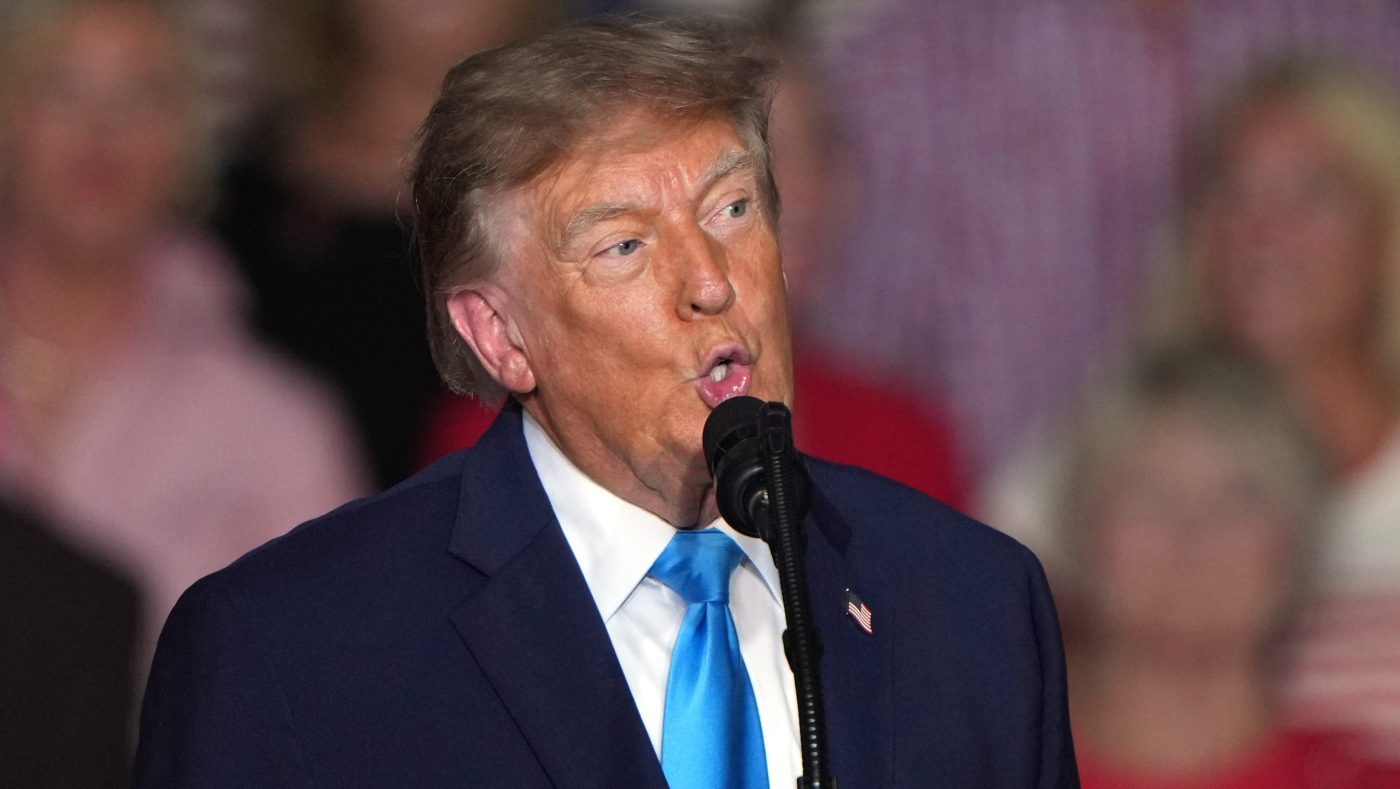
As a result, Americans’ economic confidence has cratered. The University of Michigan’s September consumer sentiment index hit its second-lowest reading since 1952. President Trump’s approval sits at 39 percent overall and just 29 percent among independents, according to Emerson polling. Democrats are right to campaign on these issues, and their lead is earned—the grievances are real and widespread.
But a win built on protest votes is not the same as a mandate. NBC’s survey found that 46 percent of independents say their midterm vote will be “a signal of opposition to the president.” The same poll shows the Democratic Party’s favorability at net negative 21 points—worse than Republicans’ net negative 13. As the pollster put it, Democrats “remain in a terrible position as a brand nationally.”
That disconnect is striking: Democrats may be poised to take back the House or Senate, yet voters view their party less favorably than the GOP. Some Democratic candidates are already keeping their distance from national figures. In Kansas, Senate nominee Adam Hamilton said he doesn’t want Vice President Kamala Harris campaigning with him because she “is not somebody who would win votes here.” His calculation is understandable—he needs crossover support in a state that hasn’t elected a Democrat to the Senate in over 90 years.
Other Democrats in red and purple states have echoed similar concerns, exposing a deeper problem: the party lacks a unified message or a forward-looking agenda. Unlike the Republicans’ 1994 “Contract with America” or the Democrats’ “Six for ’06” plan, there’s no coherent platform to address the cost-of-living crisis or inflation. Midterms often don’t require a proactive agenda—Democrats gained 41 House seats in 2018 largely by defending the Affordable Care Act, and Republicans won 63 in 2010 on anger toward President Obama—but the ground is different in 2026.
There is no clear standard-bearer, and the party remains split between progressives and moderates. Even if Democrats win both chambers, they will have limited power to enact their priorities. They can subpoena and stall Trump’s agenda, but he has shown a willingness to bypass Congress, and voters will likely blame the new majority for legislative dysfunction. If Democrats’ only accomplishments by mid-2027 are impeachment hearings, any goodwill will evaporate before the 2028 cycle begins.
A majority built on another party’s unpopularity produces no mandate. Democrats may win in November, but unless they can articulate why they should lead—not just why Republicans shouldn’t—they risk squandering the opportunity. The party’s internal battles over immigration and economic policy are already visible, as seen in debates over immigration strategy. And with OPEC+ holding output steady, gas prices are unlikely to drop soon, keeping economic pain front and center.
Democrats have a real chance to win, but winning is only the first step. To hold the White House in 2028, they must give voters a reason to trust them with power—not just a reason to punish the other side. As recent polling shows competitive Senate races, the party’s path is narrow, and its brand remains a liability. The midterms may be a referendum on Trump, but the next election will be a choice about the future.