As Democrats and other center-left parties grapple with the erosion of working-class support, economic factors often dominate the analysis. Yet a more uncomfortable driver of blue-collar discontent—uncontrolled immigration—remains largely unaddressed. This issue not only has economic dimensions but also touches on national sovereignty, cultural identity, and democratic control over who enters the country.
President Trump has long used immigration as a rallying cry, and his 2024 campaign successfully tapped into voter concerns about the issue, second only to cost-of-living worries. In Europe, far-right parties like Germany's AfD, France's National Rally, and the UK's Reform Party have capitalized on similar sentiments, fueled by working-class voters who feel betrayed by elites dismissing their concerns as racist.
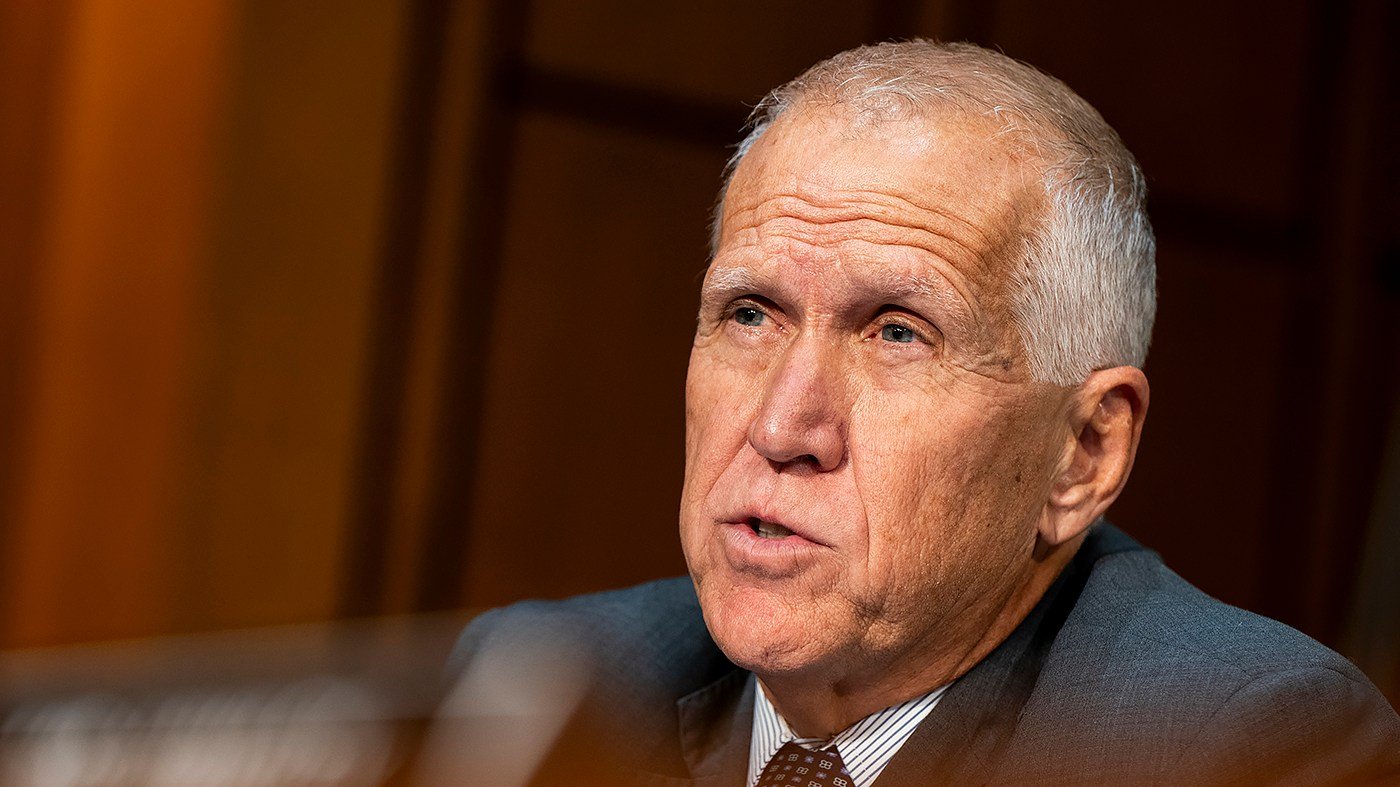
Denmark stands out as an exception. Since taking office in 2019, the Social Democrats have slowed immigration and increased deportations, while also passing laws to prevent migrant segregation. Prime Minister Mette Frederiksen, who won a third term in June, argues that restrictive migration policy is essential to maintaining social solidarity. She told the New York Times, "Being a traditional Social Democratic thinker means you cannot allow everyone who wants to join your society to come," adding that without border control, a sustainable welfare society is impossible.
Frederiksen's approach has kept working-class voters loyal and marginalized the far-right Danish People's Party. She also highlights a point often missed by the left: the costs of immigration—job competition, wage pressure, gang violence, and strain on public services—fall disproportionately on wage earners, not the affluent.
Other Nordic countries are following Denmark's lead. Norway's Prime Minister Jonas Gahr Store has proposed stricter immigration laws, including tighter family reunification rules and faster deportations. Sweden's Social Democrats, led by Magdalena Andersson, have admitted that their previous generous asylum system was "wrong" and are now working to reform it.
Democrats, who have long admired the Nordic economic model, should now study its immigration policies. The Nordic approach offers a humane way to control illegal migration, contrasting sharply with the harsh tactics of Trump and his aide Stephen Miller. However, the Biden-Harris administration's record—loosening asylum rules and failing to secure the border—has left Democrats vulnerable, as voters question their commitment to law enforcement.
To regain trust, Democrats must break with progressive demands for open borders and decriminalization. They can look to past successes under Obama and Clinton, who managed to control illegal immigration despite criticism from the left. As economic and technological changes fuel global migration, center-left parties must show they can manage borders and integrate newcomers in ways consistent with their principles. The Nordic model proves this is possible.