The sudden death of a researcher at a Russian plague laboratory has sparked international concern and drawn comparisons to the early days of the COVID-19 pandemic, though officials are urging caution.
The worker, identified by local media as 28-year-old Darya Shipilova, died shortly after being hospitalized at the Irkutsk Anti-Plague Research Institute of Siberia and the Far East. Russian authorities have not officially confirmed her identity or cause of death, but Governor Igor Kobzev said she died of "pneumonia of unknown etiology," adding that no pathogens linked to her work were detected in samples.
The incident has put the international community on edge, with the World Health Organization (WHO) confirming it asked Russian authorities for information on October 3 and received a response denying that the lab worker had contracted the plague. The U.S. has also offered assistance, with President Trump calling pneumonic plague a "rough disease" and stating, "I hate to see them having it. Anybody that has that kind of a problem, we're always willing to help."
Nearly 200 people who came into contact with the researcher are under medical observation, according to The Moscow Times, which cited Russian media reports that the worker had told hospital staff she accidentally broke a test tube containing live bacteria. Governor Kobzev said those in contact have been identified and are undergoing daily testing.
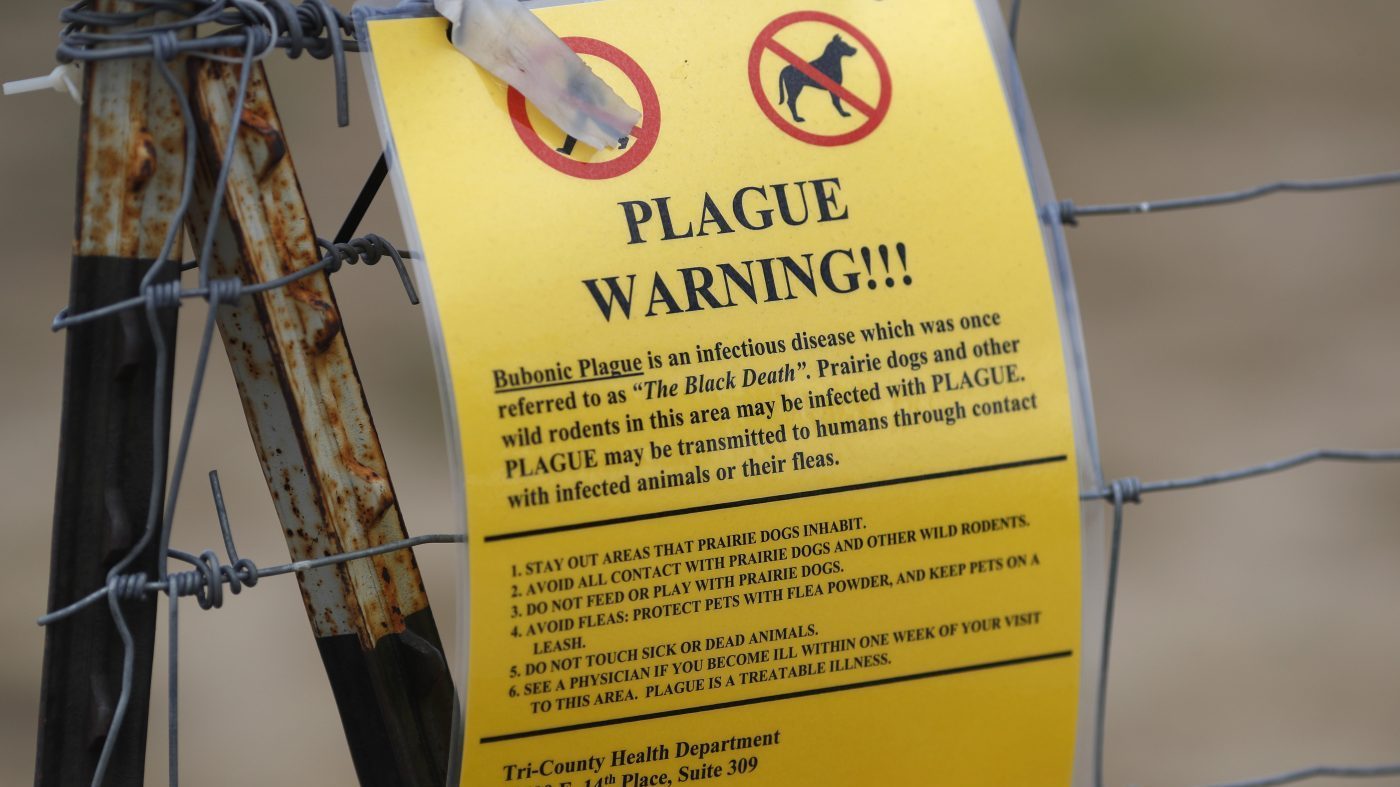
Plague, caused by the bacterium Yersinia pestis, is often associated with the Black Death of the 14th century, but it remains present in some regions. The pneumonic form, which affects the lungs, is the most dangerous and can spread from person to person through respiratory droplets. However, Jeanne Marrazzo, CEO of the Infectious Diseases Society of America and former director of the National Institute of Allergy and Infectious Diseases (NIAID), stressed that plague is treatable with common antibiotics like ciprofloxacin. "You can treat that, and people do fine. It's not like it's a death sentence," she said, noting that the septic form occurs in only about 10% of cases. The pneumonic form is "the really scary thing," she added, because it can be inhaled directly.
The European Centre for Disease Prevention and Control (ECDC) said it is "closely monitoring the situation," but noted there are "no reports of secondary cases and no evidence of sustained human-to-human transmission." Central Asian neighbors, including Kazakhstan, Kyrgyzstan, Uzbekistan, and Tajikistan, have tightened border checks in response.
Marrazzo said she expects NIAID is "all hands on deck" coordinating with international partners, noting that WHO's reassuring comments are typical of the initial response. The WHO, however, said it is seeking additional information on which pneumonia-causing pathogen led to the death.
While the immediate risk to the U.S. public is considered extremely low, the incident has revived memories of early pandemic warnings and raised questions about laboratory safety. The State Department has reaffirmed its do-not-travel advisory for Russia, and Senator Marco Rubio has pressed Moscow for details. The White House is closely watching the situation, and the pneumonic plague risk remains a key concern for health officials.