The Federal Reserve's latest meeting minutes, released Wednesday, reveal that a majority of Federal Open Market Committee (FOMC) members anticipate another interest rate increase before the end of the year. The summary from the September 15-16 session stated that "most participants assessed that another increase in the target range for the federal funds rate would likely be appropriate by year end."
At that meeting, the committee unanimously voted to raise rates by a quarter percentage point, bringing the target range to 3.75% to 4%, as part of its ongoing effort to combat inflation that has remained stubbornly above the Fed's 2% goal for over five years. The FOMC is scheduled to convene twice more this year, on October 27-28 and December 8-9.
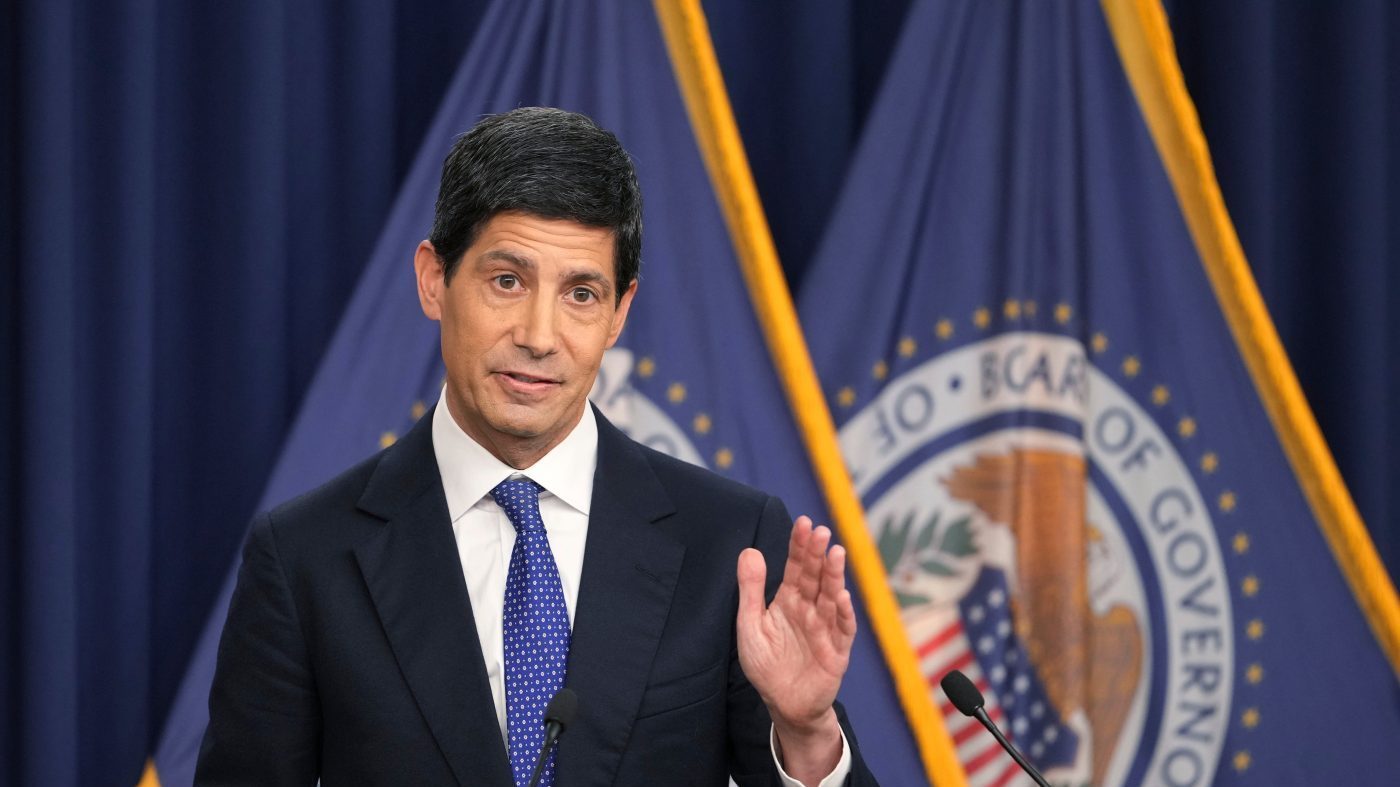
Since the September gathering, several officials have publicly signaled support for additional tightening. In fact, 16 of the 18 central bank policymakers who contribute to the quarterly economic projections expect at least one more rate hike this year. Fed Vice Chair Michael Barr, speaking last week at the Detroit Economic Club, said, "In my base case, further policy adjustments are likely to be needed to ensure inflation comes down to target in a timely fashion."
However, not all members are fully committed. Vice Chair Philip Jefferson and New York Fed President John Williams have both indicated they might hold off on supporting another increase until more economic data is available. During an event at the University of Virginia's Darden School of Business, Jefferson stressed that "any future adjustments in policy be determined by carefully examining" data trends. The minutes echoed this cautious tone, noting that participants "emphasized" they "approached each meeting with an open mind," with decisions hinging on "incoming information and its implications for the outlook and the balance of risks."
One key data point the Fed has already digested is August's personal consumption expenditures (PCE) price index, which showed year-over-year inflation at 3.4%, according to the Bureau of Economic Analysis. That figure is down from 3.7% in July and came in below the FOMC's own projection of 3.6%, which incorporated the BEA's revised methodology. The easing inflation, combined with the cautious stance from Williams and Jefferson, has led 80.6% of traders to price in a rate hold at the committee's upcoming meeting, as indicated by the CME FedWatch tool.
President Trump, who has repeatedly called for lower rates, renewed his criticism on Wednesday. Speaking to reporters in the Oval Office, he said, "You have a board that would like to see the country do badly, in my opinion, because I think interest rates should come down," while also praising Fed Chair Kevin Warsh as "great." Trump has blamed the Fed for rising mortgage rates, which have climbed in tandem with the central bank's tightening cycle.
The divide within the Fed reflects a broader debate over how aggressively to tackle inflation without stalling economic growth. Some policymakers worry that waiting too long could allow price pressures to become entrenched, while others fear that overtightening could trigger a recession. The upcoming meetings will be closely watched for any shifts in the committee's consensus.
As the Fed navigates these crosscurrents, its decisions will have significant implications for consumers, businesses, and financial markets. The minutes underscore the data-dependent approach, leaving the door open for either a hike or a pause depending on how economic indicators evolve in the coming weeks.