Working families across the United States often face a tough juggling act between job responsibilities and caring for loved ones. On Capitol Hill, a bipartisan group of lawmakers is stepping forward with new legislation designed to ease that strain, focusing on paid family leave, expanded tax credits, and the creation of federal savings accounts for children.
Currently, only about one in four American workers has access to employer-sponsored paid family leave, leaving many without support during critical life events. The patchwork of state-level programs has also created compliance headaches for companies operating across state lines, complicating benefits administration.

A State-Led, National Framework
The proposed legislation aims to bridge these gaps through an innovative model that combines state-driven initiatives with a national framework. This approach would allow employers to offer paid leave benefits more efficiently, regardless of where their employees are located. By leveraging public-private partnerships, the plan seeks to expand access without imposing a one-size-fits-all mandate.
Proponents argue that a flexible system respecting state autonomy while providing consistent standards could encourage broader adoption by businesses. The goal is to ensure more families can take time off for a new child or to care for a sick relative without facing financial hardship.
Tax Credits and Child Savings Accounts
Beyond paid leave, the legislative package includes measures to bolster family tax credits and establish federal child savings accounts. These provisions aim to reduce the upfront costs of raising a child and help families build long-term financial security. Lawmakers on both sides of the aisle have expressed support for these ideas, seeing them as practical ways to support working parents.
Experts note that such policies could have a significant impact on household budgets, particularly for lower- and middle-income families. The savings accounts, modeled on similar state programs, would provide a seed fund for each child, with opportunities for contributions over time.
Bipartisan Momentum
The unveiling of this legislation comes at a time when public opinion polls show strong support for policies that help families. However, past efforts to pass comprehensive paid leave have stalled, making the bipartisan nature of this new push noteworthy.
Lawmakers involved in the effort emphasize the need for practical solutions that can gain traction in a divided Congress. They point to the success of similar state-level initiatives as proof that these policies can work.
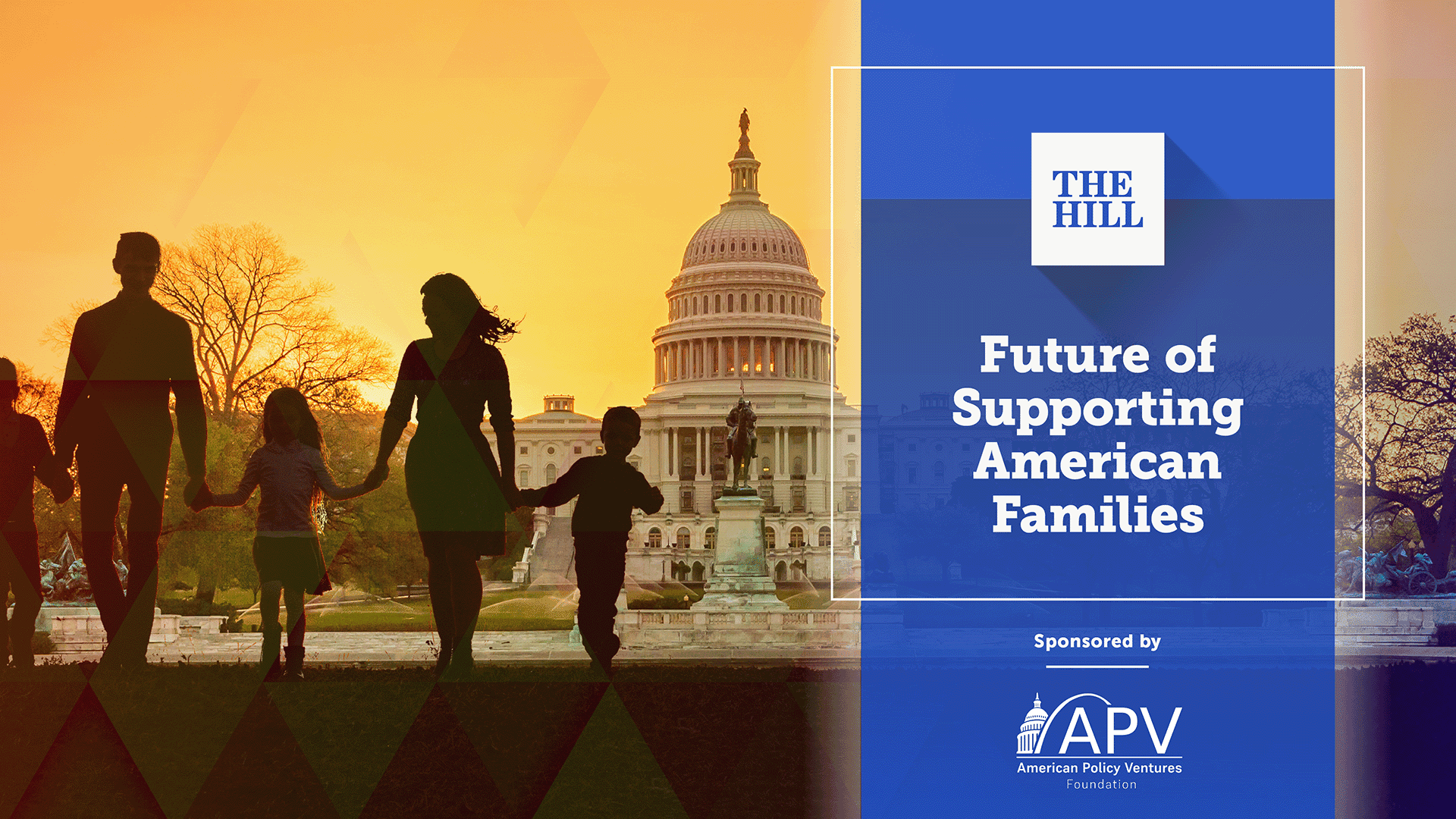
The event, hosted by The Hill in partnership with American Policy Ventures Foundation, brings together policymakers, experts, and pollsters to discuss the future of family support. The summit, scheduled to begin at 8:30 a.m. ET, will be livestreamed for public viewing.
As the debate unfolds, the question remains whether this bipartisan effort can overcome the hurdles that have blocked previous attempts. With midterm elections on the horizon, the political stakes are high, and the outcome could shape the landscape of family policy for years to come.