The latest National Assessment of Educational Progress (NAEP) data paints a grim picture of American education, with 13-year-olds showing no significant improvement since 2023 and remaining well below pre-pandemic levels. While 9-year-olds posted modest gains, experts warn that celebrating these incremental improvements masks a deeper crisis: high school seniors are graduating with alarmingly low proficiency in core subjects.
According to the NAEP Long-Term Trend report, only 22% of graduating seniors are proficient in math, and just 35% meet reading standards. These figures would trigger immediate action if applied to other critical fields—imagine if only a fifth of military cadets could master strategic planning, or if a third of new pilots could read flight instruments. Yet the public response has been muted, a sign of what critics call a dangerous complacency.
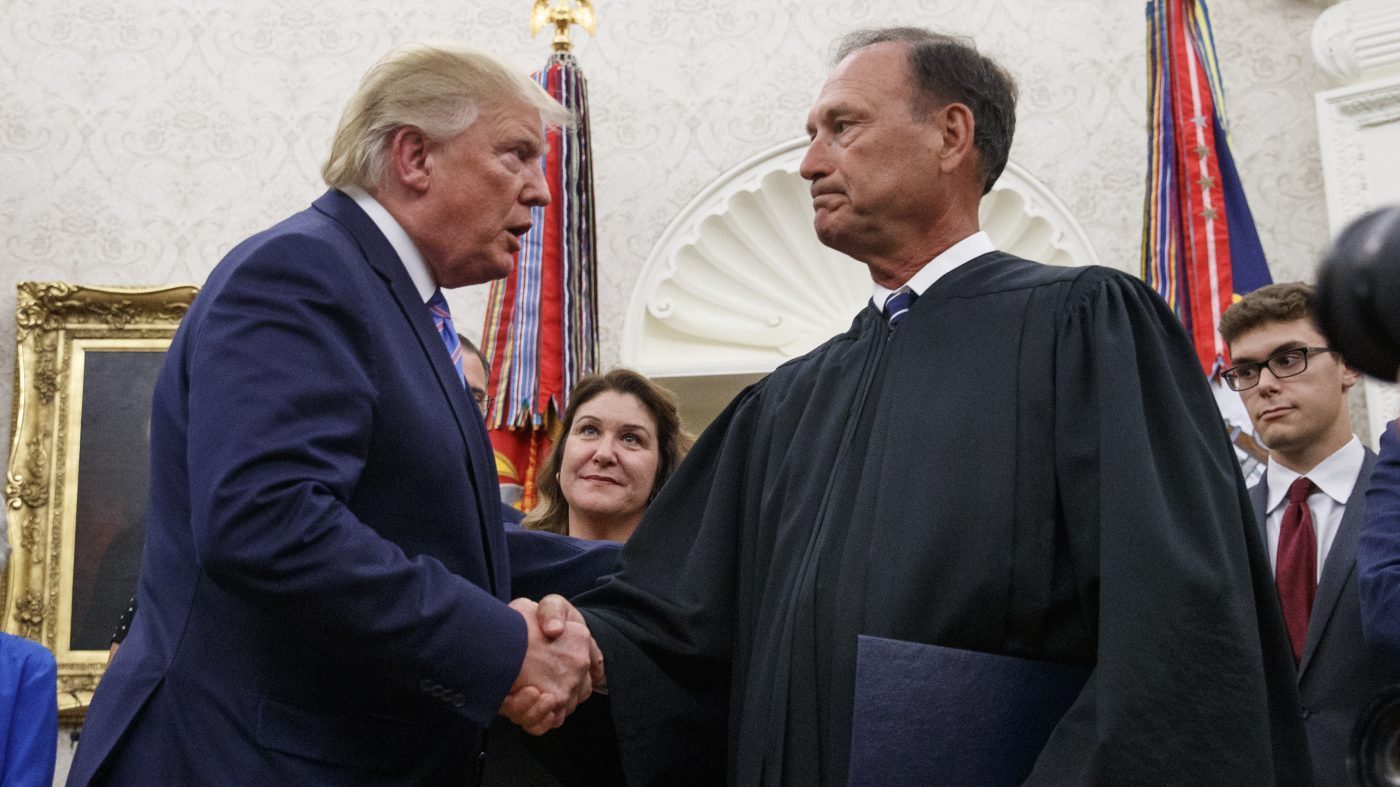
“We have become the educational equivalent of passengers on a slowly sinking ship,” said Jeanne Allen, founder and CEO of the Center for Education Reform. “Because the water rises inch by inch, no one notices until it’s around their knees.” Allen argues that each generation inherits a system performing worse than the last, while policymakers offer excuses instead of solutions.
The United States spends among the most per pupil on K-12 education in the developed world, yet outcomes consistently lag behind investment. On the OECD's PISA assessment, U.S. 15-year-olds scored 465 in mathematics—below the average of 472—and 25 education systems outperformed America. Countries like Singapore, Japan, South Korea, and Estonia continue to set global standards by refusing to accept mediocrity.
The consequences extend beyond the classroom. Struggling readers become workers unable to fill skilled jobs; students lacking math proficiency become engineers, entrepreneurs, and technicians competing in a global economy. National security, economic competitiveness, and civic participation all depend on whether children can read, write, and calculate. As the leader of the free world, America should be setting the standard for educational excellence, but instead it has become adept at managing decline.
For decades, policymakers have responded with more spending, bureaucracy, and regulations while preserving monopoly structures that produce these outcomes. Families are often told to wait patiently for incremental reforms. But children don’t have that luxury. Allen points to the Treasury Department’s recent move to advance regulations for the Federal Tax Credit Scholarship Program as a promising step. The program encourages private donations to fund scholarships, giving families access to educational environments that fit their children’s unique needs rather than forcing them into a one-size-fits-all system.
The Center for Education Reform has long argued that chronic educational failure cannot be solved by trapping more children inside schools that aren’t working. Instead, empowering families with meaningful choices—through innovation, competition, and accountability—can drive improvement. The NAEP results should serve as a wake-up call, not because they are unexpectedly bad, but because they have become expected.
The greatest tragedy is not that the education system is failing, but that Americans have grown so accustomed to failure that they no longer demand excellence. As the nation approaches its 250th anniversary, debates over the Constitution and national identity often dominate headlines, but the erosion of educational foundations threatens the country’s future. America's broken institutions fuel despair, and education is no exception. Questions about the Constitution's relevance persist, but without a literate, numerate citizenry, democratic participation itself is at risk.
Allen concludes that children deserve better than excuses and complacency. They deserve the freedom to find a school where they can succeed. The question is whether leaders will act before the ship sinks further.