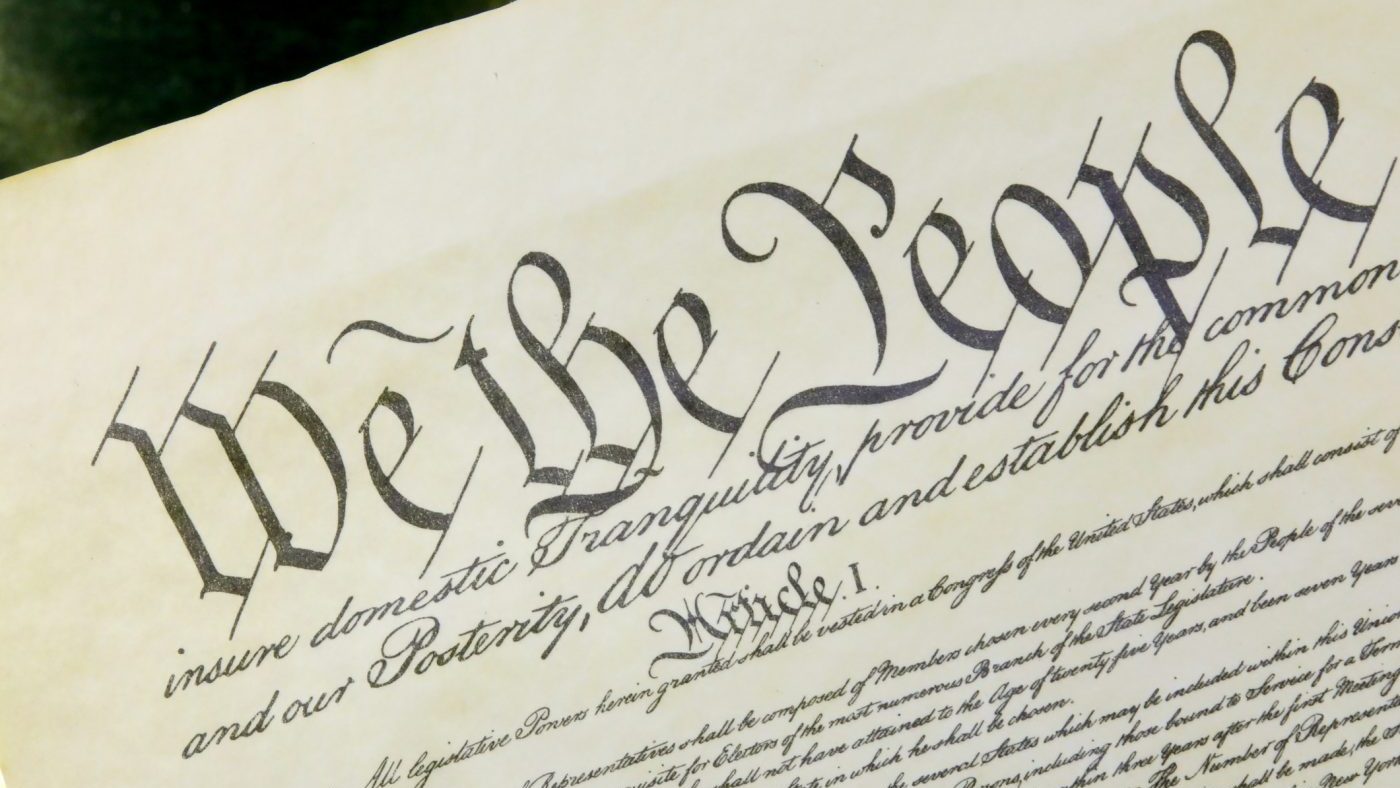
As the United States marks its 250th anniversary, the nation’s founding document—the Constitution—faces renewed scrutiny. Once considered the unassailable bedrock of the republic, it now shows cracks that critics say demand urgent repair. With more than 11,000 amendments proposed since 1791 and only 17 ratified, the process of change is glacial. Yet the world has transformed beyond what the Framers could have imagined.
Outdated Guardrails
The Constitution’s system of checks and balances, designed to prevent corruption and abuse, has broken down, according to critics. Congress has repeatedly deferred to presidential overreach, and the Supreme Court has issued rulings that concentrate power. The current president, they argue, has engaged in unprecedented corruption and ignored both legal guardrails and social norms like fairness and integrity.
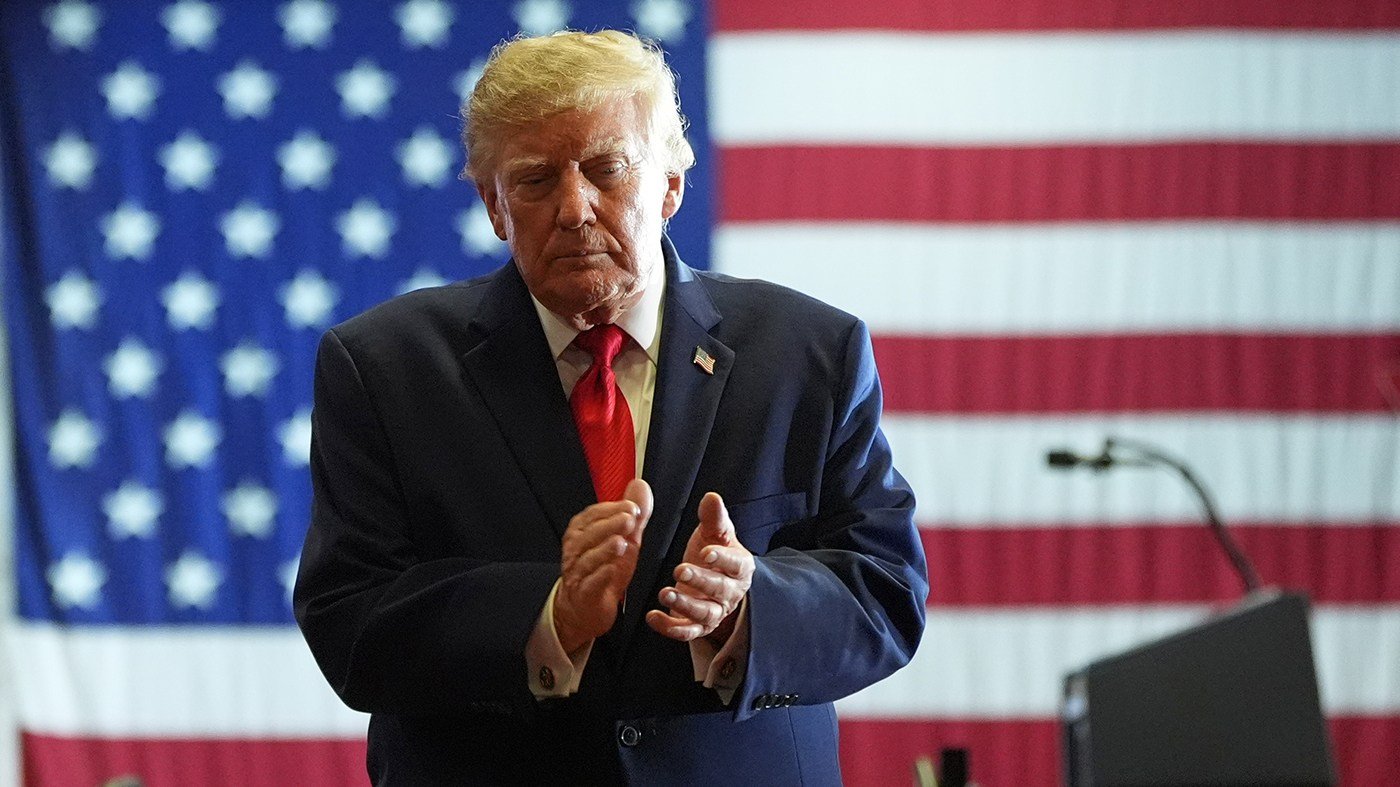
The Court’s decision to treat campaign donations as protected speech has allowed unlimited contributions from corporations and wealthy donors, effectively legalizing what many see as bribery. As a result, public trust in government has languished in the low 30s since 2013, and more than 90% of voters oppose what they view as corrupt practices.
What a Modern Constitution Might Look Like
Some advocates propose a new constitutional convention, though they acknowledge the high bar of ratification by 38 states. Among the changes under discussion:
- Popular vote: Replacing the Electoral College with a national popular vote and mandating independent commissions to draw electoral districts to curb gerrymandering.
- Campaign finance reform: Clarifying that contributions and spending can be regulated under the First Amendment, possibly with public financing and spending limits.
- Future generations: Embedding explicit legal protections for the environment, following the lead of more than 80 countries that recognize the rights of future generations.
- Rights of nature: Enshrining the polluter-pays principle and the Public Trust Doctrine to protect ecosystems, as at least 39 countries have done.
- Recall and initiative: Allowing voters to recall presidents and members of Congress, and extending citizen ballot initiatives to the national level.
- Presidential pardons: Defining limits after Trump’s pardons of allies and reports of selling pardons for profit, which have cost victims nearly $2 billion in restitution.
A Nation Divided
Two-thirds of voters are dissatisfied with the country’s direction. The 250th anniversary has prompted reflection, with four former presidents calling the democratic experiment unfinished. Meanwhile, broken institutions fuel national despair, and even global leaders send mixed messages about America’s trajectory.
Thomas Jefferson once argued that the “tree of liberty” should be refreshed by rebellion every 20 years. After 250 years, its roots may need maintenance. Whether the nation will dare to hold a convention—or settle for piecemeal fixes—remains an open question.