America just marked its 250th birthday, but for millions, the milestone feels less like a celebration and more like a grim audit. Polling shows national pride at its lowest in a quarter-century, and the reasons are stark: a Congress that functions more as a donor service than a legislature, a Supreme Court shedding its impartial veneer, and a tech ecosystem that profits from polarization.
For decades, the country's institutions served as shock absorbers. That era is over. Congress now enjoys approval ratings lower than head lice or used-car salesmen, a fact that tracks with laws written by and for donors, wrapped in legalese that obscures corporate giveaways. The Supreme Court, once seen as a neutral arbiter, is now viewed unfavorably by a majority of Americans, increasingly acting as an in-house legal team for the powerful.
As secular trust evaporated, Americans once turned to faith. But pews are emptying; churches are becoming artisanal markets or nightclubs. The retreat of traditional religion has also eroded community ties, family networks, and neighborly goodwill, replaced by soaring rents, stagnant wages, and a profound loneliness. A recent Cato poll found half of Americans unaware of the meaning of July 4, underscoring a disconnect from national identity.
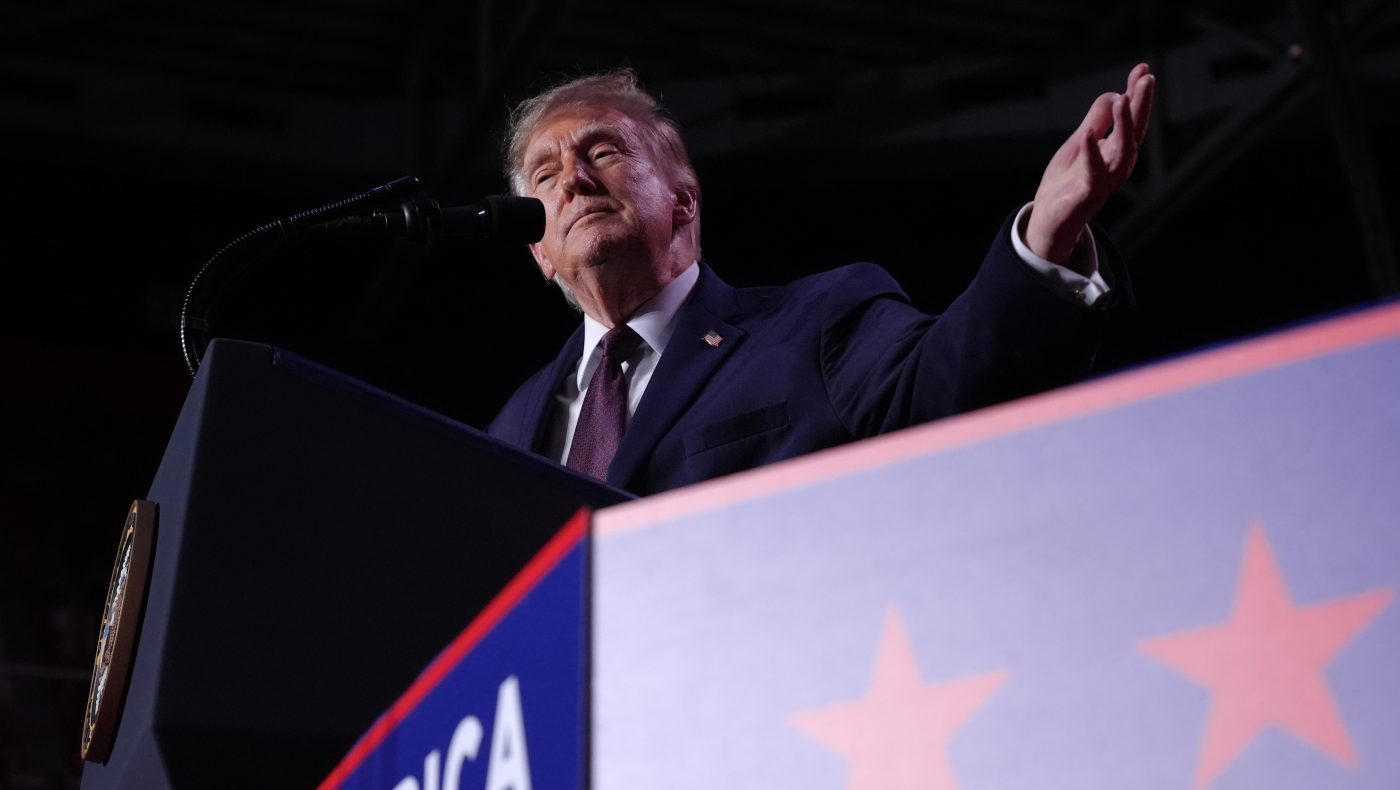
Political leadership has done little to inspire hope. The White House has alternated between a president who seemed to wander through his term and a successor who ran the Oval Office like a family business, treating governance as a series of caps-lock outbursts. Trump's promise to avoid new wars was contradicted by authorizing military action in Iran, dragging the country into another costly Middle Eastern conflict.
Unsurprisingly, faith in democracy itself has crumbled. The old norm of a gracious concession speech is dead. Losing an election now triggers claims of a deep-state conspiracy; winning is treated as a mandate to crush opponents. Elections function less as democratic transfers than as weaponized custody disputes.
Tech platforms supercharge this breakdown. Algorithms prioritize rage over nuance because peace is bad for profit. Citizens are trapped in bespoke echo chambers: conservatives see Marxist radicals behind every hedge; progressives see fascists mowing the lawn. As Pew polling shows, a majority of Americans now support a social media ban for under-16s, reflecting growing alarm over these dynamics. Meanwhile, artificial intelligence promises to further detach public debate from reality, where even the color of the sky may be dismissed as a deepfake.
The tragedy is that most Americans are decent people who simply want to pay bills, grab a beer, and be left alone. But they are trapped in a malfunctioning system designed to amplify their worst impulses. The nation's crisis is not a shortage of honorable citizens but a structural failure of the institutions meant to serve them. Dismissing the widespread lack of celebration as unpatriotic misses the point. It is the terminal fatigue of a broke and broken population, tired of being told the patient is healthy while staring at a flatlining heart monitor.