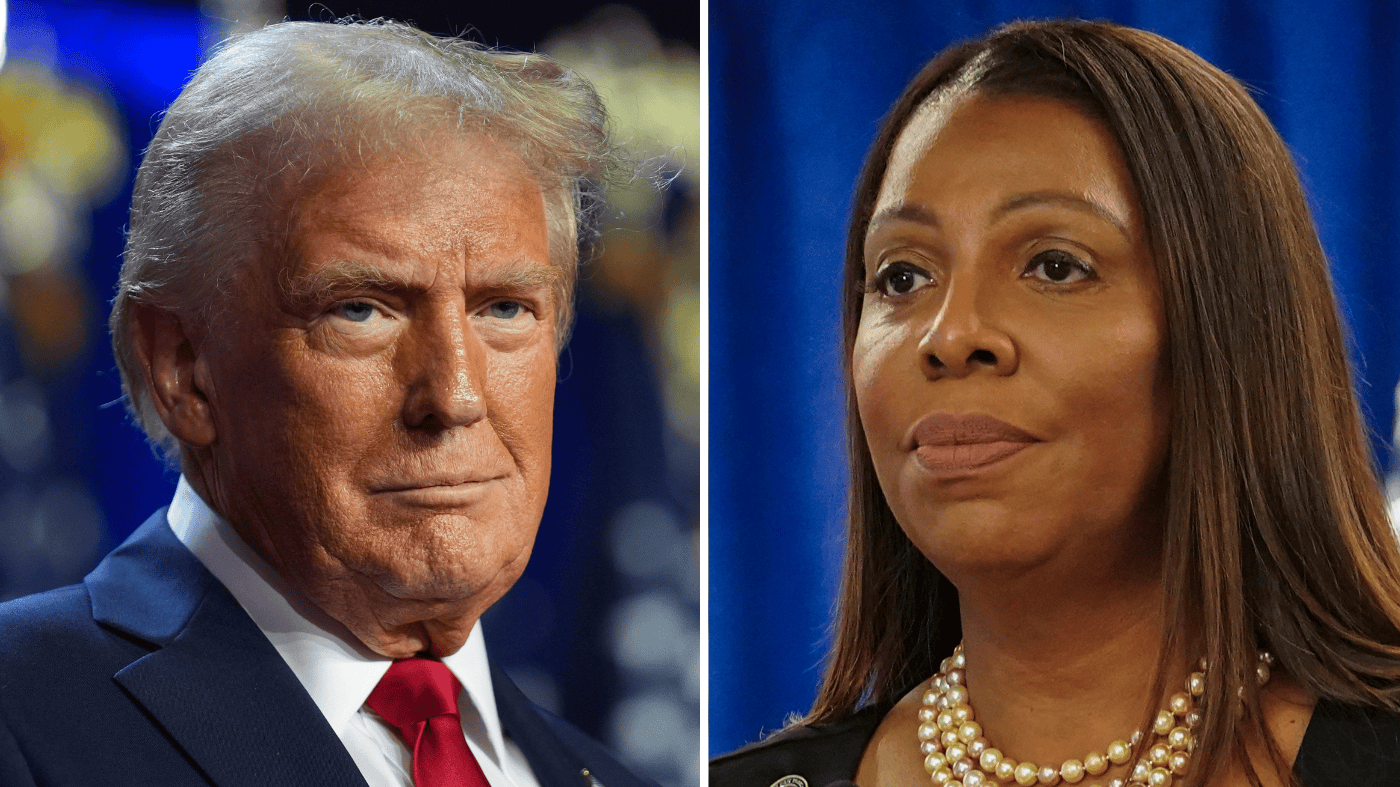
Median Strategies, the polling firm that released fabricated surveys showing Los Angeles Mayor Karen Bass and Wisconsin candidate Francesca Hong with commanding leads, announced Monday that it has shut down. The company's website now carries a notice stating that it has "concluded its polling project and will not publish additional polls," and it has formally withdrawn all previously released data, urging that none of it be cited or treated as genuine.
In an unusual admission, the notice describes the operation as "a short-term social experiment examining how purported polling information could enter and spread through the political information ecosystem without independent verification." The company said it is not seeking publicity or attribution for the individuals involved and declined further interviews.
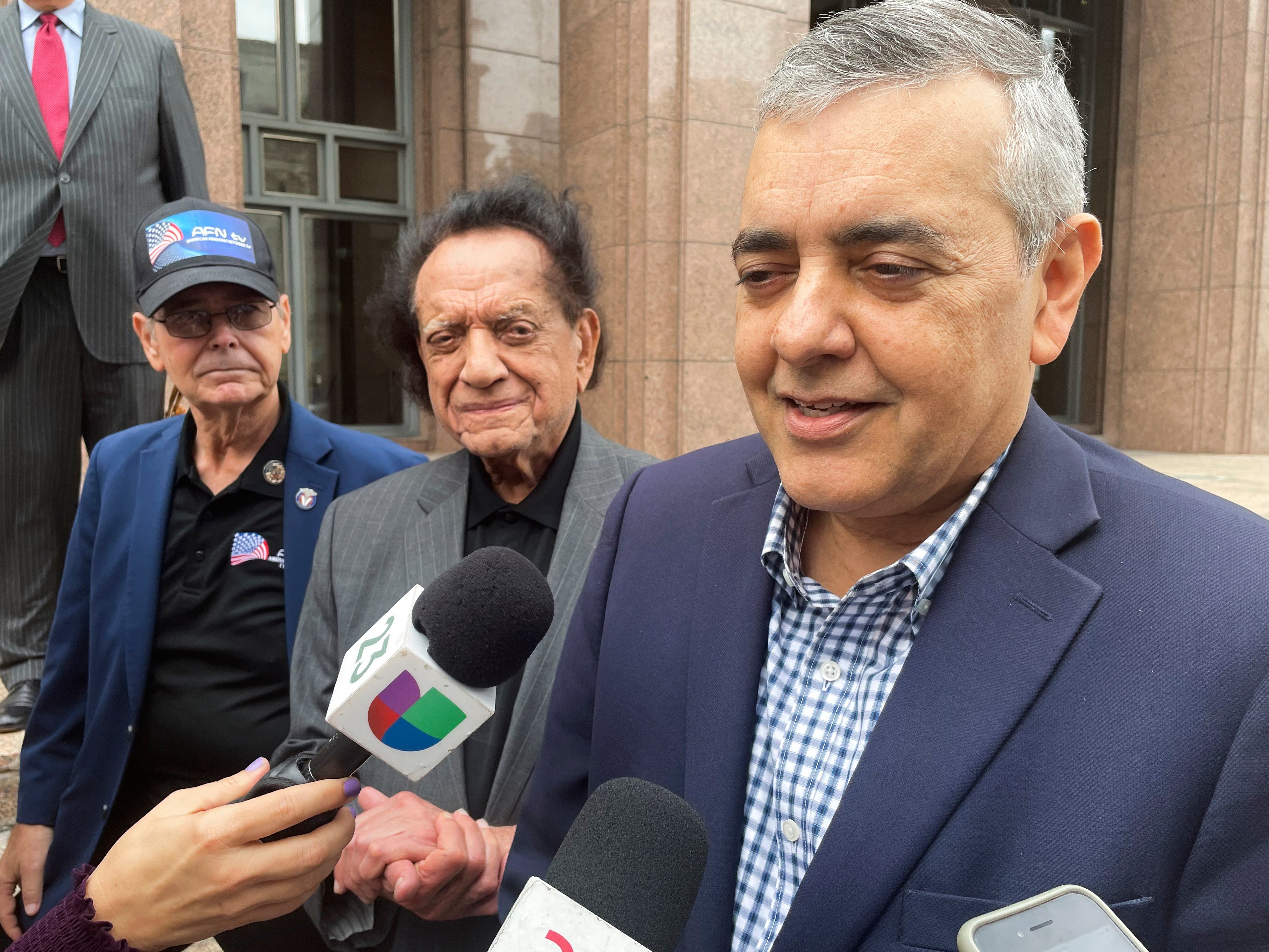
The revelation has sent ripples through political circles, particularly in Los Angeles, where Bass's campaign had touted the bogus survey as evidence of momentum. The poll showed Bass leading her November runoff opponent, City Councilmember Nithya Raman, by 12 points, based on a sample of 560 voters with a 4.1 percent margin of error. After the data was exposed as fake, Bass's campaign called for an investigation into "any bad faith attempts to influence elections," while Raman's camp accused the Bass campaign of promoting "a fake poll without properly vetting the source."
The second fabricated survey gave Hong, a progressive candidate in Wisconsin's gubernatorial race, a 20-point lead—a race she ultimately lost last week. The incident has renewed scrutiny on the reliability of political polling, especially in high-stakes contests where even a single misleading survey can shape media coverage and donor decisions.
Political analysts note that the spread of such fabricated data is a growing concern in an era of rapid information sharing. The lack of independent verification, combined with the willingness of campaigns to amplify favorable numbers, creates fertile ground for manipulation. As far-left candidates often see their poll numbers diverge from actual outcomes, the case underscores the need for voters and journalists to scrutinize polling sources.
In the Los Angeles mayor's race, Bass and Raman advanced from a June 2 primary, with Bass securing 34 percent of the vote and Raman 29 percent. The final spot in the runoff was hotly contested, with reality TV personality Spencer Pratt finishing third at 26 percent. The fabricated poll, had it been believed, could have affected voter turnout and fundraising in the final stretch.
Election integrity experts have called for stronger standards in polling transparency, including requiring pollsters to disclose their methodology and funding sources. Some have also suggested that campaigns should be held accountable for sharing unverified data. The incident also highlights the broader issue of how polls are used to frame election narratives, often before any votes are cast.
As the dust settles, the closure of Median Strategies serves as a cautionary tale. The company's experiment, as it called it, succeeded in demonstrating how easily false information can infiltrate the political discourse. But for the candidates and voters who were misled, the consequences are far from theoretical.