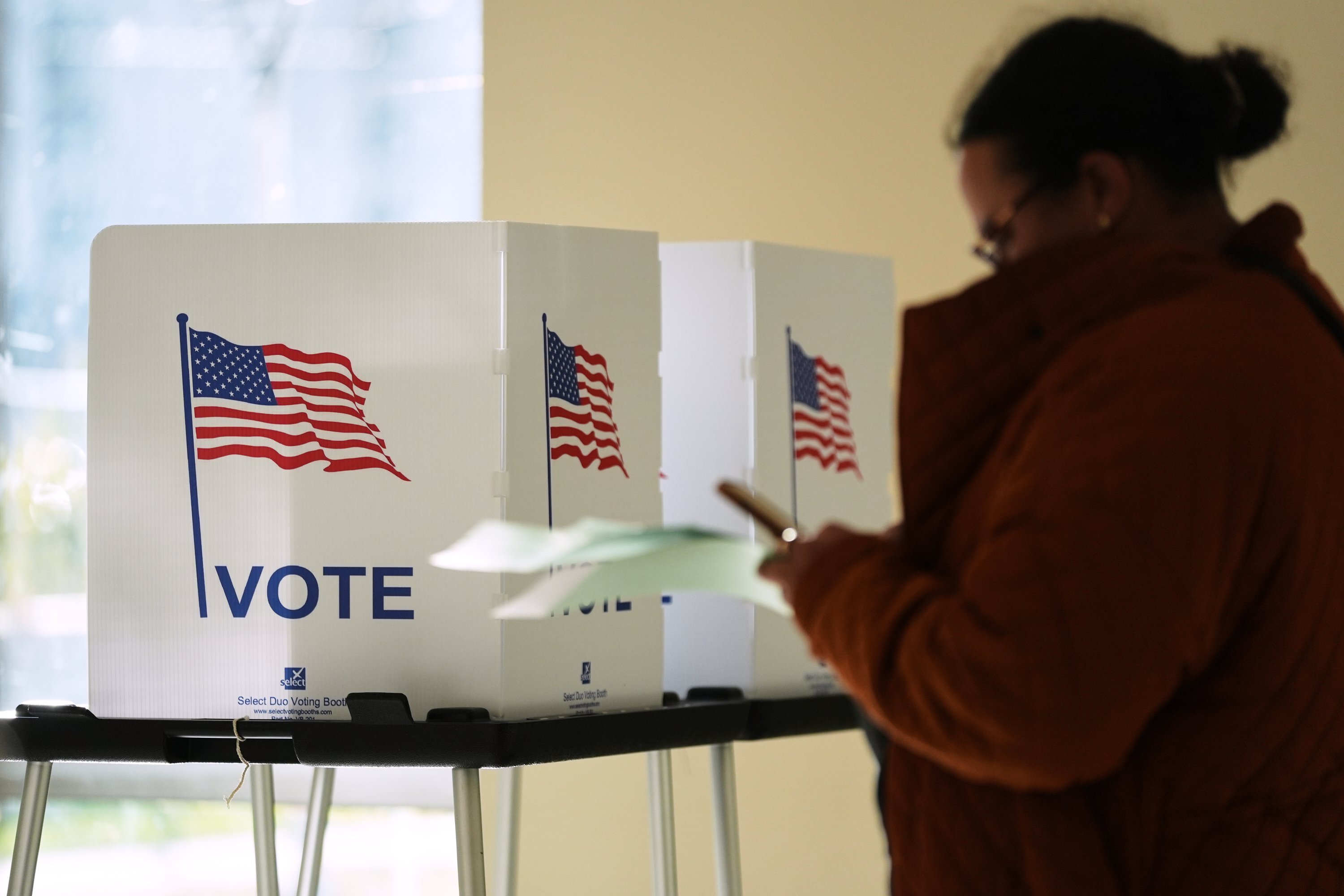
The Justice Department is gearing up to place 1,000 election monitors at polling sites across the country for the upcoming midterm elections, according to a senior official. The move is part of the Trump administration's broader push to tighten election security, but it has already drawn sharp criticism from Democrats who see it as a thinly veiled attempt to suppress turnout in minority and immigrant neighborhoods.
During the primary season, the department has already stationed more than 75 monitors in five states, covering over 200 voting locations, according to a department release. Harmeet Dhillon, the assistant attorney general for the Civil Rights Division, said in a statement that election monitoring is a top priority for her office, adding that "nondiscriminatory monitoring ensures all elections remain free, fair, and accessible to all."
The monitors will be tasked with verifying compliance with a swath of federal laws, including the Voting Rights Act, the National Voter Registration Act, the Help America Vote Act, the Uniformed and Overseas Citizens Absentee Voting Act, the Americans with Disabilities Act, and the Civil Rights Act. This marks a continuation of a practice that began under former President Biden, who deployed monitors to 22 states during the 2022 midterms and 27 states in the 2024 presidential election.
Under the current administration, the DOJ has already sent monitors to Arizona, Michigan, Florida, Wyoming, and Minnesota. Notably, President Trump has repeatedly alleged that Somali immigrants in Minnesota are engaged in mass voter fraud, a claim that has been widely debunked. The administration's focus on noncitizen voting has intensified, with Trump pushing for the Safeguard American Voter Eligibility Act, which would require proof of citizenship to register to vote. The bill remains stalled in the Senate, where Democrats argue it would disenfranchise eligible voters.
The deployment will concentrate on areas with significant immigrant populations, such as Miami-Dade County, home to the largest Cuban-American community in the U.S., and Wayne County, Michigan, which has a large Arab American population. This targeting has fueled accusations that the administration is using election monitoring to intimidate voters in communities that lean Democratic.
Senator Jacky Rosen (D-Nev.) has been vocal in her opposition, stating, "Our elections have been kept safe and reliable by state and local officials during the entire history of our nation. There is absolutely no need for federal troops to be stationed outside of polls, and any such attempt is part of Donald Trump's efforts to intimidate eligible voters." She added that such actions would be unlawful and threaten the right to vote.
The controversy comes amid broader debates over election integrity and voting access. Recent news, such as the efforts by young elected officials to rebuild trust in local governance, highlights the ongoing tension between security and accessibility. Meanwhile, the administration's stance on immigration has been a central theme, with the State Department launching a task force to target birth tourism, further signaling a hardline approach.
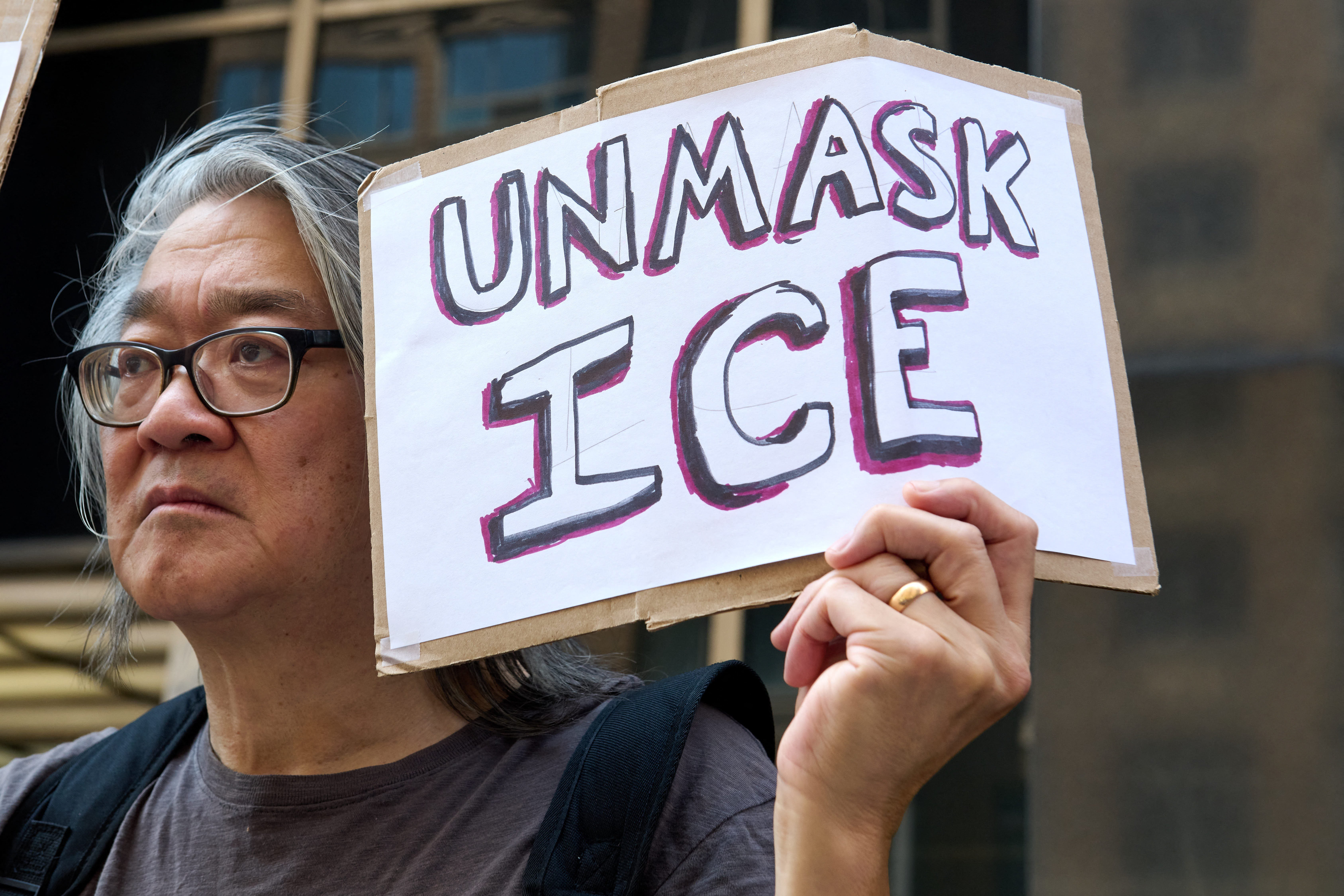
Democrats have also raised alarms about the presence of Immigration and Customs Enforcement (ICE) at polling places, arguing that it constitutes voter intimidation. The administration, however, maintains that the monitors are necessary to ensure the integrity of the vote. As the midterms approach, the clash over election monitoring is likely to intensify, with both sides digging in.