Hope can be a fragile commodity in politics, especially when headlines are dominated by scandal and dysfunction. But for those who spent a weekend with a new generation of public servants, the future looks a little brighter.
The Young Elected Officials Network, a nonpartisan initiative under the People For the American Way Foundation, recently held its national gathering, bringing together elected leaders aged 40 and under who are committed to building communities rooted in freedom, fairness, and opportunity. The group is notably diverse and represents a break from traditional political molds.
This year's theme, “Power in Practice: Governing for a Just Democracy,” resonated deeply with attendees. Svante Myrick, president of People For the American Way and a former mayor of Ithaca, New York, reflected on his own early days in office. “When I was first elected as a city councilman while still a student, and then as the youngest mayor ever in Ithaca, I didn’t have much experience at having power to put into practice,” he said. The network was a lifeline then, providing peers, mentorship, and skill-building opportunities that helped him navigate the responsibilities entrusted to him.
Two decades later, Myrick now leads the organization that sponsors the network. At the recent convening, he watched seasoned members take newcomers under their wing, sharing lessons learned and offering guidance. “It’s a tremendous group,” he noted, emphasizing the importance of intergenerational support within the movement.
The event featured a lineup of prominent voices. Former Vice President Kamala Harris urged young policymakers not to let caution stifle bold action, warning them to beware of gatekeepers who might isolate them from the very people they serve. Stacey Abrams, the democracy advocate and former Georgia state legislator, stressed the power of storytelling as a tool for policy innovation. “Better stories can lead us to better policy outcomes,” she said, while cautioning against treating compromise and pragmatism as dirty words—they are essential for governing and making progress aligned with one’s values.
Science educator Bill Nye reminded attendees that the U.S. Constitution explicitly promotes science, urging Americans not to abandon it but to invest in it. Actor and activist Alyssa Milano, speaking on women’s rights since the #MeToo movement, noted that courage is not always rewarded immediately, but it is almost certainly rewarded over time.
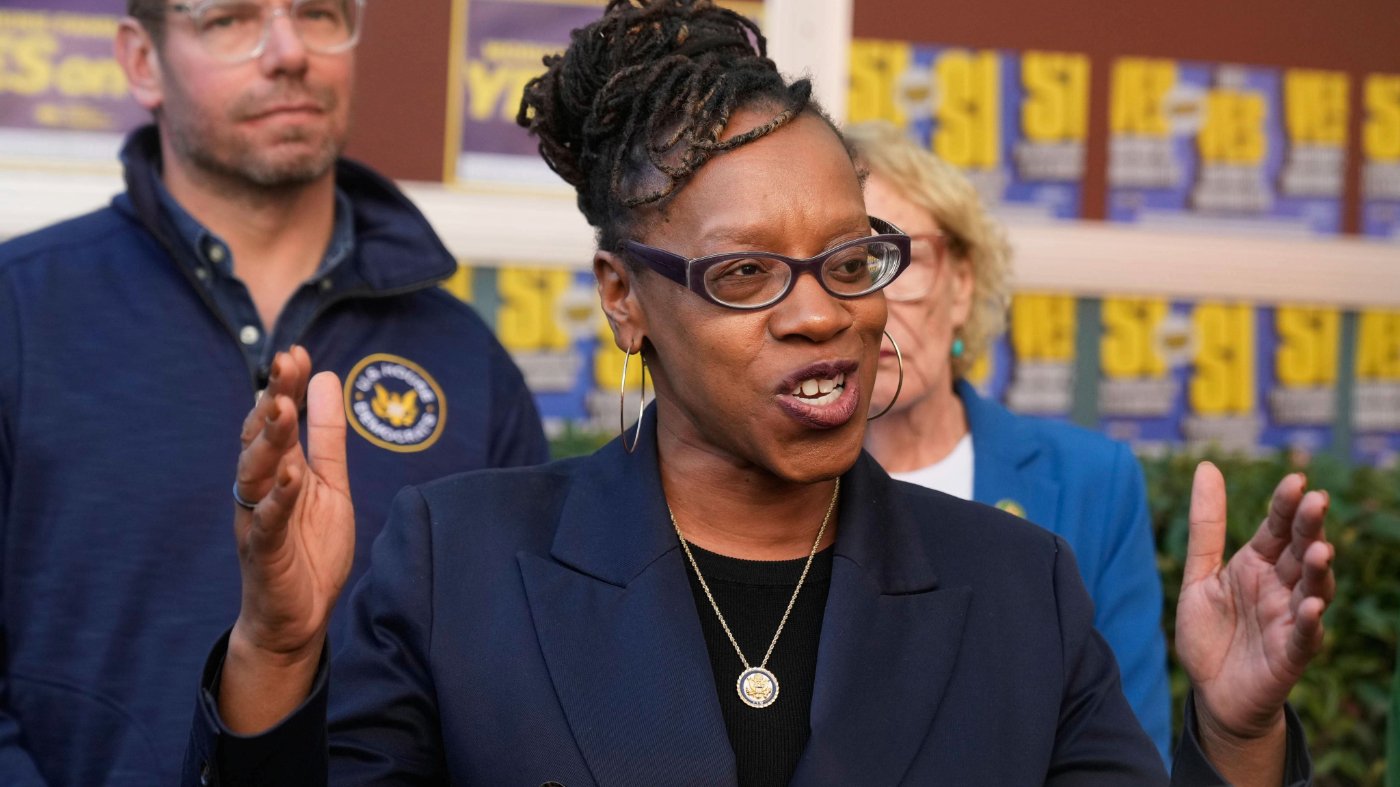
Rep. Lateefah Simon (D-Calif.), a MacArthur “genius” fellow in her first congressional term, emphasized the importance of studying history to avoid repeating mistakes. “Just making speeches or calling people out on social media is not the same as getting things done,” she said—a point she backs up with a record of passing multiple bills while in the minority.
The overarching message from these speakers and others was clear: true progressivism requires actual progress. While pundits debate ideological shifts, the real measure of leadership is whether it improves people’s lives. The network supports hundreds of young, idealistic officials who have taken the difficult step of running for local office, helping them learn to govern effectively.
Effective governance, Myrick argues, is how we maintain trust with voters and push back against the corruption and cynicism that erode civic engagement. For those feeling hopeless, he offers a simple prescription: “Seek out and support some of the remarkable young people who have committed themselves to strengthening their communities and our country.” It’s a reminder that hope, when paired with action, can be a powerful force.
As the political landscape grows more contentious, the work of these young leaders—and the network that nurtures them—offers a counter-narrative. For more on how local dynamics are shaping national politics, see how local races test national themes. And for a broader look at the challenges facing progressive governance, recent primary results signal shifts in party strategy.